

9 Best Areas and Tips for Where to Stay in Alicante (2026)
Discover where to stay in Alicante with our guide to the 9 best areas and tips. Compare the Old Town, City Center, and Playa de San Juan for your perfect trip.
On this page
9 Best Areas and Tips for Where to Stay in Alicante (2026)
After my fourth summer scouting the sun-drenched streets of the Costa Blanca, I've realized choosing where to stay in Alicante depends entirely on your tolerance for noise and sand. The city transforms from a bustling commercial hub during the day into a vibrant, sometimes loud, Mediterranean playground at night. I once booked a charming apartment in the heart of the Old Town, only to discover the 'vibrant' nightlife meant bass thumping until 4 AM. This guide was last refreshed in October 2026 to reflect the latest pricing and booking trends for your 2026 and 2026 travels.
Alicante offers a rare mix of urban sophistication and laid-back beach culture that few Spanish cities can match. Whether you want to wake up to the sound of waves at Playa de San Juan or the scent of fresh churros in the City Center, there is a perfect corner for you. Understanding the best area to stay in Alicante requires a look at the local tram lines and the unique personality of each district. This article breaks down the top neighborhoods to ensure your base camp matches your vacation goals.
Book 3 months ahead for summer; prices double June-August. Casco Antiguo (€80-€160): history + nightlife + noise. Playa de San Juan (€120-€250): family-friendly beach. City Center (€90-€180): shopping + convenience. El Campello (€50-€90): authentic village feel. All connected by L1-L4 tram lines (€10 rechargeable card).
9 Best Areas and Tips for Where to Stay in Alicante (2026)
Selecting the right base involves balancing your desire for historic charm with the practical need for a good night's sleep. Alicante is relatively compact, but the vibe shifts dramatically from one street to the next. Our editors have vetted these nine locations based on accessibility, safety, and proximity to the most popular things to do in Alicante. Keep in mind that peak season from June to August sees prices double in beachfront zones.

The first few entries focus on the historic core where the city's soul resides, while later options explore the quieter coastal stretches. Each area is connected by a reliable public transport network, making it easy to explore even if you choose a suburban spot. Refer to the Alicante Tourism Board for seasonal event schedules that might affect local traffic and noise levels. Most hotels here require booking at least three months in advance for the summer months.
Prices listed below reflect typical mid-range nightly rates for a double room or a standard one-bedroom apartment. Hours of operation for local businesses generally follow the traditional Spanish siesta schedule, with many shops closing between 2 PM and 5 PM. Expect most neighborhood bars to remain open until at least midnight, even on weekdays. Always check the specific noise policies of your chosen accommodation if you are traveling with young children.
- The Historic Casco Antiguo District
- This ancient neighborhood sits at the foot of Mount Benacantil and offers the most traditional Spanish atmosphere.
- Expect to pay between €80 and €160 per night for boutique hotels or renovated apartments nestled in narrow alleys.
- The area is most active from 8 PM until the early morning hours when the local tapas bars fill with locals and tourists.
- Stay here if you want to be steps away from the Santa Barbara Castle elevator and the central cathedral.
- The Peaceful Santa Cruz Quarter
- Located on the higher slopes of the Old Town, this area is famous for its whitewashed houses and colorful flower pots.
- Daily rates range from €70 to €130, though you should be prepared for many steep stairs and no car access.
- Most homes here are private residences, so the atmosphere remains significantly quieter than the lower 'El Barrio' party zone.
- I found that the sunrise views over the Mediterranean from this height are worth the morning climb every single time.
- The Modern Alicante City Center
- Centro is the commercial heart of the city, located between the Central Market and the famous Explanada de España.
- Standard hotels cost roughly €90 to €180 per night and offer easy access to high-end shopping and the main train station.
- Businesses here operate from 10 AM to 9 PM, making it the most convenient spot for those without a rental car.
- It is the best choice for first-time visitors who want to balance beach time with urban exploration.
- The Family-Friendly Playa de San Juan
- This expansive beach resort area is located about 15 minutes north of the city center via the local tram system.
- Expect higher prices ranging from €120 to €250 per night during the summer for beachfront apartments and large hotels.
- The wide promenade is lined with restaurants that stay open daily from 10 AM until late at night.
- Families often prefer this area because the waters are shallow and the sand is meticulously cleaned every morning.
- The Scenic Cabo de las Huertas
- This rocky headland offers a rugged alternative to the sandy beaches and is perfect for snorkeling in hidden coves.
- Accommodation is limited mostly to luxury villas and quiet residential complexes priced between €150 and €300 per night.
- Public access to the trails is open 24 hours, but local shops are sparse, so you will need to plan your meals.
- Pack sturdy water shoes if you plan to stay here, as the entry points into the sea are quite sharp.
- The Local La Albufereta Neighborhood
- Nestled between the city center and San Juan, this area provides a more authentic, less touristy coastal experience.
- Nightly rates are often more affordable at €60 to €110, making it a great middle-ground for budget-conscious travelers.
- The small beach is protected from large waves, and the local cafes serve excellent, reasonably priced seafood.
- Take the L3 or L4 tram lines for a quick five-minute ride into the historic heart of Alicante.
- The Vibrant Ensanche-Diputación District
- This area borders the marina and the Postiguet Beach, offering a mix of luxury living and seaside recreation.
- Prices for upscale hotels near the water typically start at €140 and can climb significantly during festival weeks.
- The area is home to the Canalejas Park and several major cultural centers that open from 10 AM to 8 PM.
- It is an ideal location if you enjoy evening strolls along the harbor followed by dinner at a trendy bistro.
- The Coastal Town of El Campello
- Technically a separate town, El Campello is easily reached by tram and offers a slower pace of life.
- Budget apartments can be found for €50 to €90 per night, especially if you stay a few blocks back from the shore.
- The fish market at the harbor is a local highlight and operates every afternoon when the boats return.
- I recommend this spot for travelers who have already seen the main sights and want a true Spanish village feel.
- The Gateway Area of San Blas
- Located just behind the main train station, San Blas is a residential district with a strong community vibe.
- You can find the best value here with rooms starting as low as €45 per night in local guesthouses.
- Local bakeries and fruit stalls open early at 7 AM, providing a glimpse into the daily life of Alicantinos.
- Use this as your base if you plan on taking many day trips from Alicante by rail.
How to Choose Your Ideal Alicante Neighborhood
Your decision should hinge on whether you value immediate beach access or the convenience of being near the main transport hubs. Travelers who enjoy late-night socializing will find the Casco Antiguo irresistible despite the potential for noise. In contrast, those seeking a peaceful retreat should look toward Cabo de las Huertas or the upper sections of Santa Cruz. Check the Alicante weather by month to see if a beachfront stay is practical for your dates.
If you are traveling with children, the amenities at Playa de San Juan are difficult to beat. The area features numerous playgrounds, wide sidewalks for strollers, and a very safe swimming environment. However, staying in the City Center might be better if you want to visit museums and the castle without long commutes. Consult our guide on things to do in Alicante with kids for more specific family recommendations.
Digital nomads often prefer the Ensanche-Diputación area for its high-speed internet options and proximity to coworking spaces. This district feels more like a functioning city than a holiday resort, which can be refreshing for longer stays. The availability of supermarkets and local gyms makes it easier to maintain a routine while enjoying the Mediterranean sun. Consider the length of your trip, as many apartments offer significant discounts for stays exceeding two weeks.
Is Alicante Worth Visiting for a Long Stay?
Many visitors wonder if the city has enough depth to justify more than a quick weekend getaway. In my experience, the city serves as an excellent hub for exploring the wider Valencian Community and the Costa Blanca. The cost of living remains lower than in Madrid or Barcelona, allowing your travel budget to stretch much further. Read our detailed analysis on is Alicante worth visiting to help plan your itinerary duration.
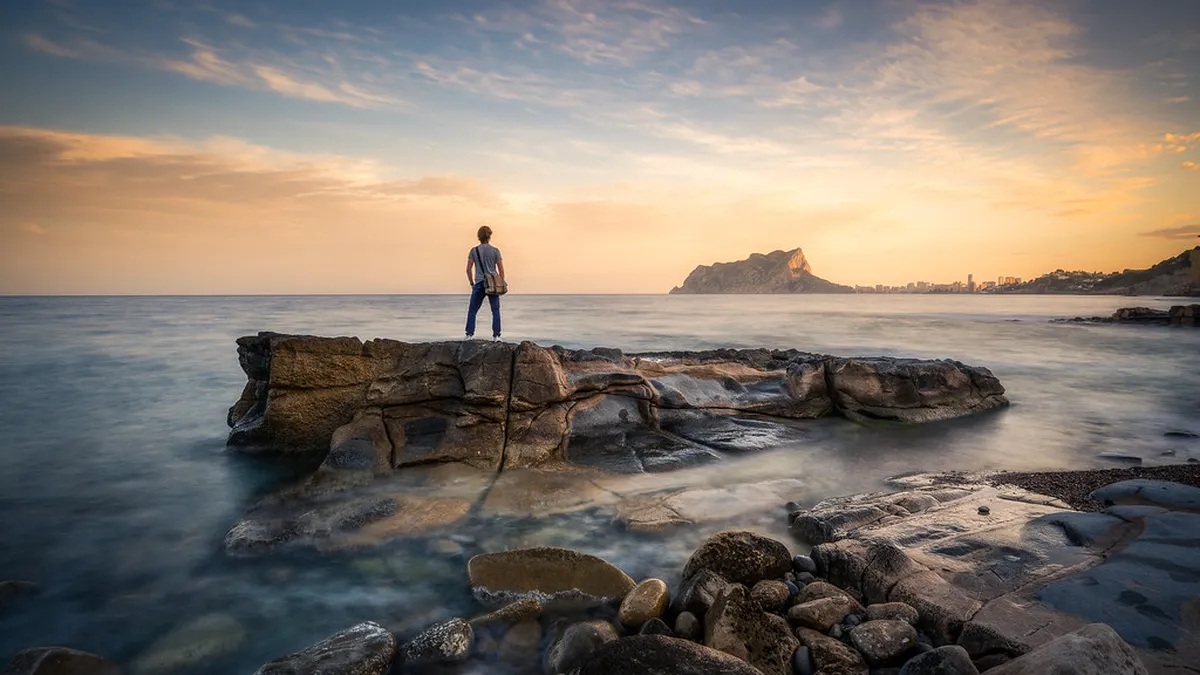
The social scene is welcoming, with many language exchanges and local meetups taking place in the City Center. Spanish culture revolves around the outdoors, so you will spend much of your time in plazas and on the promenade. Winter months are surprisingly mild, making it a popular destination for those escaping the northern European cold. You will find that the pace of life slows down here, which is perfect for a relaxing extended vacation.
Healthcare facilities are excellent, and the city is generally very safe for solo travelers and families alike. The presence of a major university in nearby San Vicente ensures a youthful energy and plenty of affordable dining options. Most long-term residents suggest learning a few basic Spanish phrases to better navigate the local markets and smaller shops. Overall, the balance of infrastructure and leisure makes it a top contender for a month-long Mediterranean base.
Transport Guide: Navigating the Costa Blanca
The Alicante Tram Official Site is your best resource for planning trips along the coast. Line L1 is the red express line that connects the city center directly to Benidorm in about 70 minutes. For beach lovers, the L3 and L4 lines provide frequent service to the northern suburbs and Playa de San Juan. Tickets are very affordable, and you can purchase a rechargeable card at any major station to save money.
The C6 bus is the most reliable way to get from the airport to the city center, running every 20 minutes. It drops passengers off at key locations including the train station and the Alfonso X El Sabio avenue. Taxis and ride-sharing services are also available but will cost significantly more than the public bus. Check our guide on how to get to Alicante for a full breakdown of arrival options.
Walking is the preferred method for exploring the Casco Antiguo and the City Center due to the pedestrianized streets. If you plan on visiting remote mountain villages, renting a car from the airport is highly recommended. Parking in the center can be difficult and expensive, so look for hotels that offer private garage spaces. The tram system is clean, air-conditioned, and provides stunning views of the coastline as you travel north.
Budget Breakdown: Prices for Hotels and Apartments
Alicante offers a wide spectrum of accommodation prices that fluctuate based on the proximity to the sea. In the low season from November to March, you can find high-quality hotel rooms for under €60 per night. During the Bonfires of Saint John in June, prices can triple as the city fills up. I recommend setting a budget of at least €100 per night for a comfortable, centrally located stay during the spring.
Apartment rentals are often more cost-effective for groups or those who prefer to cook their own meals. The Mercado Central is a fantastic place to buy fresh local ingredients if you choose a self-catering option. Many apartments require a minimum stay of three nights, especially during the busy summer weekends. Look for 'Superhost' status on booking platforms to ensure the property meets modern standards of cleanliness.
Luxury seekers will find five-star options near the marina that offer spa services and rooftop pools. These premium stays often include breakfast and can range from €200 to over €400 per night in peak season. Mid-range travelers should look for three or four-star hotels in the Ensanche-Diputación district for the best value. Always verify if your booking includes VAT, which is typically 10% for tourist accommodation in Spain.
What to Skip: Overrated Areas in Alicante
While most of Alicante is charming, some areas near the industrial port can feel desolate and lack character. Staying too far west of the city center may leave you in a zone with limited restaurant options and poor beach access. I would also caution against staying directly on the main 'El Barrio' streets if you are a light sleeper. The noise from late-night revelers can be relentless, even with double-glazed windows in higher-end apartments.
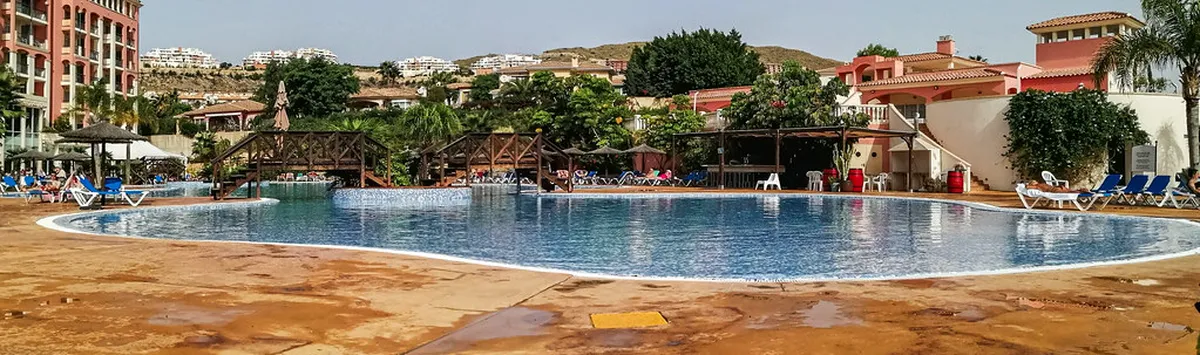
Generic hotels located near the airport are convenient for early flights but offer zero Mediterranean atmosphere. Unless you have a very specific logistical need, it is much better to stay in the city and take the 15-minute bus ride. Some 'budget' areas on the very outskirts of the city lack reliable public transport links after midnight. You might end up spending more on late-night taxis than you saved on the initial room price.
Be wary of accommodation descriptions that claim to be 'minutes from the beach' without specifying if that is by car or foot. In some cases, a 'beachfront' property might be separated from the sand by a major multi-lane highway. Always use a map view to confirm the walking route and the presence of pedestrian crossings. Focusing on the well-established neighborhoods mentioned earlier will ensure a much more enjoyable experience.
Frequently Asked Questions
In which area is it best to stay in Alicante?
The best area depends on your goals. Stay in the Casco Antiguo for history and nightlife, or choose Playa de San Juan for a family-friendly beach resort experience. The City Center is ideal for shopping and convenience.
Is Playa de San Juan worth the distance from the center?
Yes, it is worth it if you want a cleaner, wider beach and a quieter atmosphere. The tram connects it to the city center in just 15-20 minutes. It offers a true resort feel that the urban beaches lack.
Do I need a car in Alicante?
You do not need a car if you stay within the city or near a tram line. Public transport is excellent for reaching most beaches and nearby towns. Only rent a car for exploring remote mountain villages.
Choosing where to stay in Alicante is the first step toward a memorable Mediterranean escape. From the historic charm of the Old Town to the sun-soaked shores of San Juan, this city offers a neighborhood for every type of traveler. I recommend booking your accommodation early, especially if your visit coincides with the major summer festivals.
Remember to consider the noise levels and transport links before finalizing your choice. Regardless of where you land, the warmth of the local culture and the beauty of the Costa Blanca will make your stay worthwhile. Safe travels as you explore one of Spain's most vibrant coastal gems.
You might also like


Continue reading
More guides you'll find useful


