
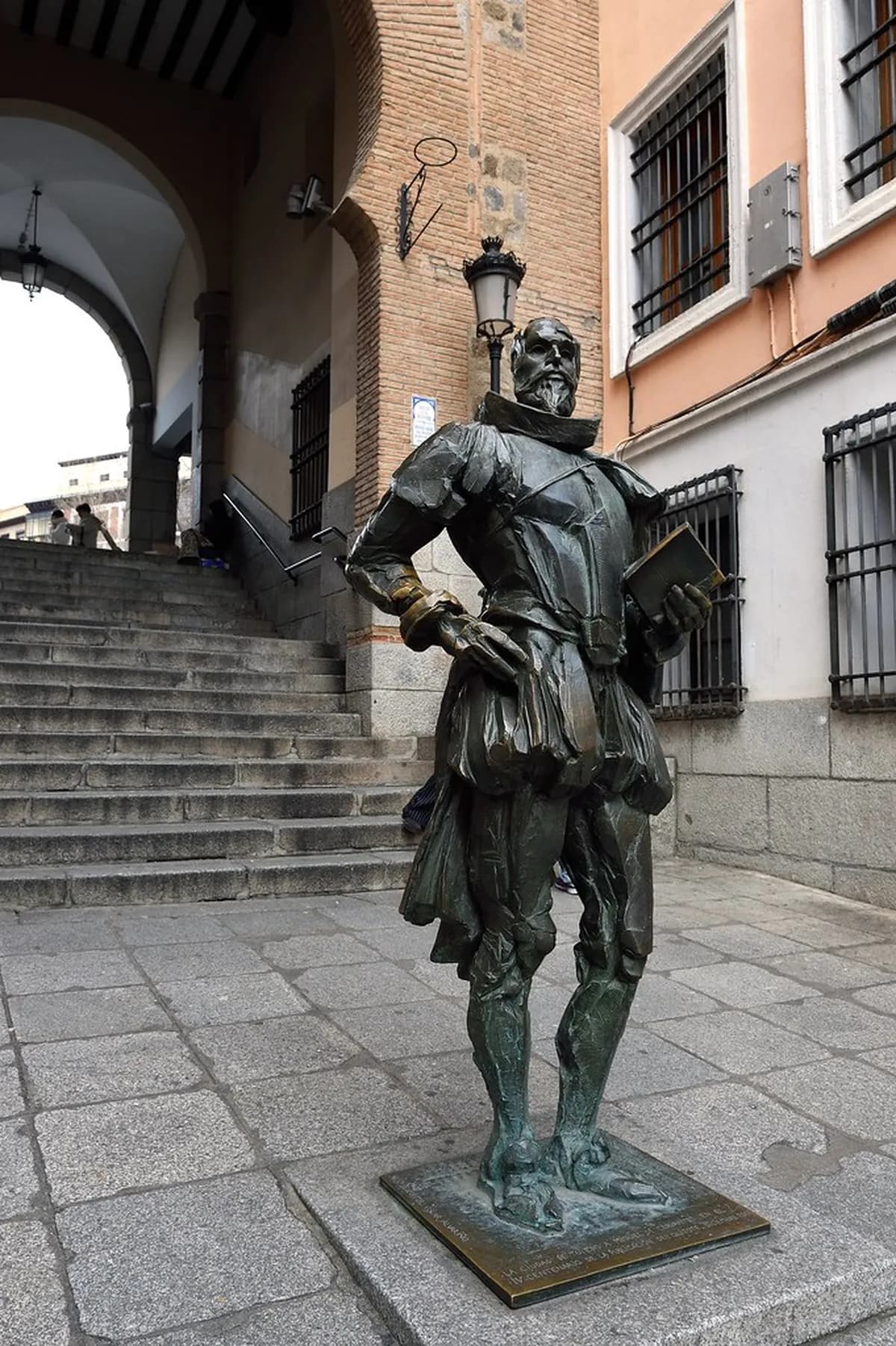
12 Best Things to Do in Toledo Spain (2026)
Plan things to do in Toledo Spain with top picks, neighborhood context, timing tips, and practical booking advice for a smoother trip.
On this page
12 Best Things to Do in Toledo Spain
After my fourth visit to this hilltop fortress, I’ve realized that Toledo reveals its best secrets only after the day-trippers leave. I first wandered these stone alleys a decade ago and was immediately struck by the sheer density of history in every corner. Most travelers wonder is Toledo worth visiting for more than a few hours, and my answer is always a resounding yes. The city serves as a living museum where medieval architecture and narrow labyrinths tell the story of Spain's complex past.
This guide was last refreshed in January 2026 to reflect the latest ticketing rules and seasonal opening hours for major monuments. Toledo remains one of the most significant historical sites in Europe, holding a prestigious UNESCO World Heritage designation since 1986. The skyline is still dominated by the massive Alcazar and the spire of the Primate Cathedral, just as it has been for centuries. Planning your time here requires a bit of strategy to avoid the steepest climbs and the largest tourist groups.
The Cathedral alone requires 2 hours to appreciate; arriving at 10:00 am when gates open gives you morning light without afternoon crowds. Wear sturdy shoes with good grip—the polished marble cobblestones become dangerously slippery when wet. Pack a reusable water bottle; the elevation and dry Castilian air cause rapid dehydration.
The legendary "City of Three Cultures" earned its name from the peaceful co-existence of Christian, Muslim, and Jewish communities. You will find synagogues, mosques, and cathedrals standing within a few hundred meters of each other in the historic core. Each layer of the city offers a different sensory experience, from the smell of wood-fired marzipan to the clinking of damascene steel. This list highlights the essential experiences that capture the true spirit of this ancient Castilian capital.
Key Takeaways
- Quick Pick (Best Overall): The Cathedral of Saint Mary for its world-class art and Gothic architecture.
- Quick Pick (Best View): Mirador del Valle at sunset for the most iconic city skyline photo.
- Quick Pick (Best for Families): Fly Toledo zipline for an exciting break from historical sightseeing.
- Quick Pick (Best Free Activity): Walking across the Puente de San Martín for medieval atmosphere.
- Practical Tip: Book your Madrid-Toledo train tickets at least 48 hours in advance during peak season.
About Toledo, Spain
Toledo sits dramatically on a granite hill, surrounded on three sides by a deep bend in the Tagus River. This natural defensive position made it the ideal capital for the Visigothic Kingdom and later a vital hub for the Moors. Walking through the gates today feels like stepping into a different era where cars are rare and stone is king. Understanding the Toledo city of three cultures history is essential for appreciating the diverse architectural styles you will encounter.
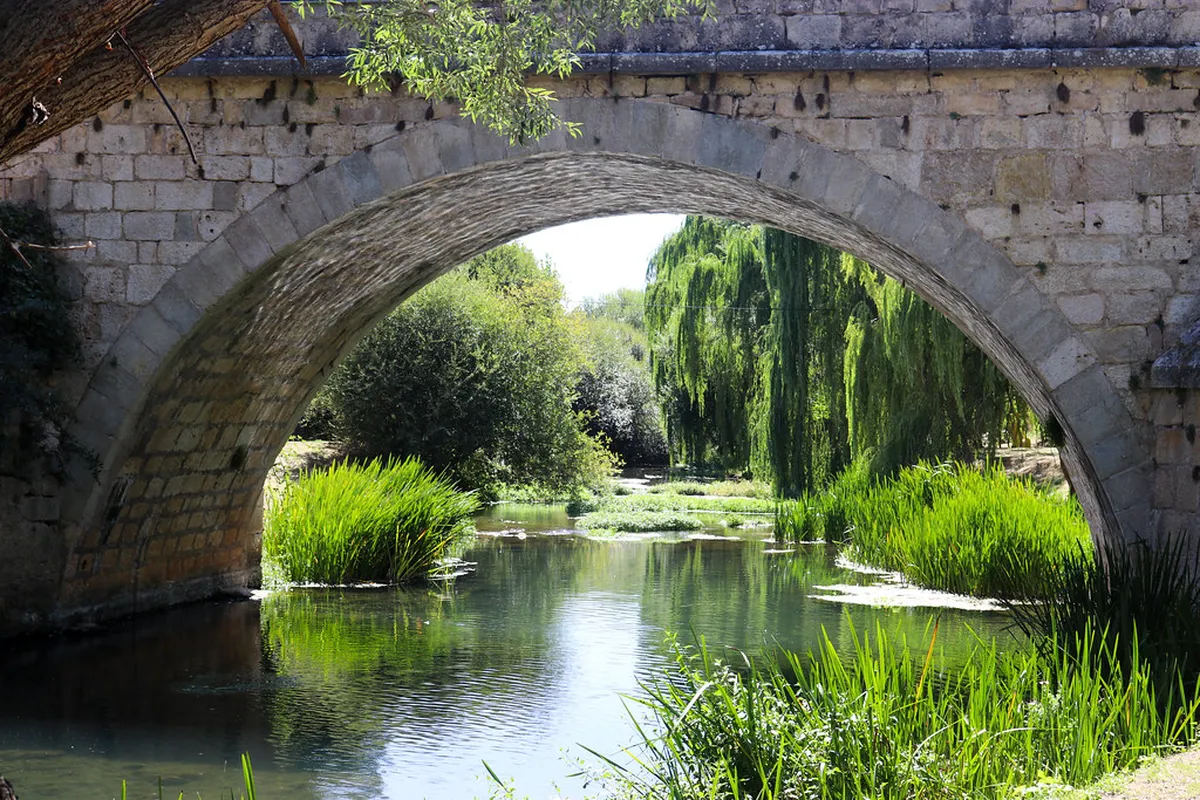
The historic district is a maze of winding streets that were intentionally designed to confuse invaders and provide shade. Navigation can be challenging, but getting lost is often the best way to find quiet plazas and hidden convent bakeries. Most of the primary sights are clustered within the old walls, making it a highly walkable, albeit vertical, destination. Local craftsmen still practice ancient traditions like sword-making and gold-inlay work that date back to the Middle Ages.
While the city is famous for its monuments, the local atmosphere is equally defined by its rugged landscape and harsh climate. The surrounding plains of Castile-La Mancha offer a stark, beautiful contrast to the crowded stone corridors of the town center. Toledo is not just a relic of the past; it is a vibrant provincial capital with a deep pride in its heritage. Visiting during a local festival or a quiet weekday morning allows you to see the city beyond its tourist facade.
12 Best Things to Do in Toledo Spain
Toledo offers a staggering array of sites that can easily fill a multi-day itinerary if you enjoy deep historical dives. The attractions are broadly grouped into iconic landmarks, spiritual heritage sites, and scenic viewpoints that offer panoramic vistas. I recommend starting early to visit the most popular monuments before the midday heat and the largest crowds arrive. A Hop-on, Hop-off Bus Tour can be helpful for reaching the distant viewpoints without a steep hike.
Ticketing for many of these sites has moved toward digital platforms, so keeping a smartphone handy is increasingly necessary. Many of the smaller chapels and museums offer a combined "tourist bracelet" that provides excellent value for frequent sightseers. Be sure to check specific religious holiday schedules, as active churches may close to tourists during special mass services. The following twelve items represent the absolute highlights of any visit to this historic Spanish treasure.
Wear your most comfortable footwear, as the cobblestones are unforgiving and the gradients are often quite steep. The city is divided into several quarters, including the Jewish Quarter and the area surrounding the main Zocodover Square. Exploring each neighborhood reveals a different facet of the city's identity and its artistic legacy. Here are the top experiences you should not miss during your stay in Toledo.
- The Magnificent Cathedral of Saint Mary of Toledo
- This massive Gothic structure is widely considered the magnum opus of the style in Spain and houses an incredible art collection.
- Expect to pay €10–€12 for entry, with hours typically running from 10am to 6:30pm daily except for Sunday afternoons.
- Located in the heart of the city, this site is a short walk from any central point and requires at least two hours.
- Look for the "Transparente" altar behind the main sanctuary to see how light is used to create a heavenly visual effect.
- The Imposing Alcazar of Toledo Fortress
- Perched on the city's highest point, this square fortress now serves as a comprehensive military museum and a regional library.
- Entry costs roughly €5 per person and the museum is open Tuesday through Sunday from 10am until 5pm.
- The building is impossible to miss on the skyline and offers some of the best interior views of the city's structural history.
- Head to the top floor library for a quiet coffee with a view that many tourists completely overlook during their visit.
- Monastery of San Juan de los Reyes
- This 15th-century Franciscan monastery features one of the most beautiful two-level cloisters in all of Europe.
- General admission is usually €4 and the gates are open daily from 10am to 5:45pm throughout the year.
- You will find this peaceful retreat in the western part of the Jewish Quarter, easily accessible on foot from the center.
- Notice the heavy iron chains hanging on the exterior walls which were placed there by Christian prisoners freed from Granada.
- Church of Santo Tomé and El Greco
- This small church is the permanent home of El Greco's most famous painting, The Burial of the Count of Orgaz.
- Tickets are priced at €4 and you can visit daily between 10am and 5:45pm, though queues can form at midday.
- The church is located in the Jewish Quarter and a visit usually takes less than thirty minutes for the painting alone.
- Check the toledomonumental.com/iglesia-de-santo-tome site for special evening opening events that occur during the summer months.
- The Museo del Greco House Museum
- This museum is dedicated to the life and works of the famous painter who spent most of his life in Toledo.
- Admission is a bargain at €3, with operating hours from 9:30am to 7:30pm Tuesday through Saturday and shorter Sunday hours.
- It sits in the southern part of the Jewish Quarter near the river and offers a lovely garden for a quick rest.
- The collection includes the famous 'Apostolado' series which shows the artist's unique use of color and elongated figures.
- Synagogue of Santa María la Blanca
- This former synagogue is famous for its stunning white forest of Mudéjar arches and intricate pinecone-topped columns.
- The entry fee is €4 and it remains open daily from 10am to 5:45pm for visitors exploring the Jewish Quarter.
- It is one of the oldest synagogue buildings in Europe and reflects the architectural influence of Islamic builders.
- Visit in the late afternoon when the sun hits the white plaster to see the interior glow with a soft, natural light.
- Mosque of Cristo de la Luz
- This small but perfectly preserved 10th-century building is the only surviving mosque of the ten that once stood in Toledo.
- Tickets cost €4 per adult and the site is open every day from 10am until 5:45pm near the Puerta del Sol.
- It is a fascinating example of how Islamic structures were later adapted into Christian chapels without losing their original character.
- Step into the small rear garden to see the remains of a Roman road that was discovered during recent archaeological excavations.
- The Mirador del Valle Scenic Overlook
- This viewpoint across the river offers the iconic postcard view of the entire city skyline against the Castilian hills.
- Access to the viewpoint is completely free and it is technically open 24 hours a day for photography enthusiasts.
- You will need to take a taxi, the tourist bus, or a long uphill walk to reach this spot on the southern bank.
- Arrive about thirty minutes before sunset to watch the city lights flicker on as the sky turns a deep orange.
- The Medieval Puente de San Martín
- This 14th-century bridge features five arches and defensive towers that offer a dramatic entrance to the old city.
- Walking across the bridge is free for everyone and provides excellent views of the Tagus River and the monastery above.
- It is located on the western edge of the historic center and is a popular spot for a scenic evening stroll.
- Look for the small statue of the architect's wife who reportedly saved the bridge from collapsing during its original construction.
- Fly Toledo Zipline Adventure
- For a break from history, this urban zipline lets you soar across the Tagus River parallel to the San Martin Bridge.
- The experience costs roughly €12 and generally operates daily from 11am to 6pm, weather permitting.
- The launch platform is right next to the San Martin Bridge, making it easy to find while sightseeing in that area.
- Visit flytoledo.com to check weight limits and book a time slot to avoid waiting in the sun.
- Zocodover Square and Marzipan Tasting
- The main public square has been the heart of the city's social life for centuries and is perfect for people-watching.
- Walking through the square is free, though you should budget €5–€10 to sample the famous local marzipan treats.
- This is the primary transport hub where buses from the train station drop off visitors at the city's entrance.
- Skip the generic cafes and find a traditional convent shop to buy marzipan made by local nuns for the most authentic flavor.
- The Ancient Roman Baths of Toledo
- Hidden beneath a modern building, these archaeological remains offer a glimpse into the city's Roman foundations from the 1st century.
- Entry is often free but typically requires joining a guided tour organized by the local heritage consortium.
- The site is located near the Plaza de Amador de los Ríos in the upper part of the old town.
- Check the official city heritage site for the specific hours of the these Roman baths as they vary by season.
Is Toledo Worth Visiting?
Travelers often debate whether they should spend a full day here or just a few hours as a quick stopover. In my experience, the city requires at least one full day to appreciate the major monuments without feeling rushed. Deciding how many days in Toledo depends on your interest in medieval history and religious art. Overnight guests get the distinct advantage of seeing the city after the massive tour groups return to Madrid.
The atmosphere changes completely at night when the stone buildings are illuminated and the narrow streets become silent. If you enjoy photography or romantic walks, staying for a night is one of the best decisions you can make. Toledo offers a much more intimate and historical feel compared to the grand boulevards of nearby Madrid. It is a destination that rewards those who take the time to look beyond the main tourist thoroughfares.
Budget-conscious travelers will find that many of the city's best features, like the bridges and viewpoints, cost nothing. There are plenty of free things to do in Toledo Spain if you plan your route carefully. Art lovers will find the El Greco collection alone worth the trip, as his style is uniquely tied to this landscape. Ultimately, if you have any interest in Spanish heritage, this city is an unmissable part of your itinerary.
What to Skip in Toledo
While the city is full of wonders, some aspects of the tourist experience can be underwhelming or overpriced. The souvenir shops immediately surrounding Zocodover Square often sell mass-produced swords and trinkets that lack genuine quality. I recommend walking a few blocks into the Jewish Quarter to find authentic artisans who still work by hand. Supporting local workshops ensures you take home a piece of real history rather than a cheap imitation.

The "Tourist Train" is a popular option for those who want to see the sights without walking the hills. However, the audio quality can be poor and the route is often blocked by traffic or other tour buses. If you are physically able, walking allows you to see the details of the architecture that the train simply misses. Consider the trade-off between comfort and the ability to stop and explore a quiet alleyway on a whim.
Avoid the midday lunch rush at the restaurants located directly on the main square if you want quality food. These spots are often overpriced and cater specifically to day-trip crowds who won't be returning for a second meal. Wander into the side streets to find a tavern where locals eat for a much more authentic culinary experience. A little bit of exploration will lead you to better prices and significantly better flavors.
How to come from Madrid to Toledo?
Reaching the city from the capital is remarkably easy and efficient thanks to Spain's high-speed rail network. The Avant train from Madrid's Atocha station takes only 33 minutes and drops you at a beautiful Neo-Mudéjar station. Learning how to get to Toledo from Madrid by train is the preferred method for most savvy travelers. Be sure to book your return tickets in advance, especially on weekends, as these trains frequently sell out.
If you are on a tighter budget, the ALSA bus service runs regularly from the Plaza Elíptica station in Madrid. The bus takes about an hour but costs significantly less than the train and offers more frequent departure times. Driving is also an option, though parking within the old city walls is notoriously difficult and often restricted to residents. If you are coming by car, check out this post from Earth Trekkers on parking, which highlights the best garages outside the walls.
Once you arrive at the train station, you can take a local bus or a taxi to reach the Zocodover Square. There is also a series of outdoor escalators near the Safont parking lot that can whisk you up the hillside for free. Walking from the station to the center takes about 20 minutes but involves a fairly steep climb at the end. I usually recommend the escalators for a sweat-free arrival that still offers great views of the medieval walls.
How to Plan a Smooth Toledo Attractions Day
A successful visit requires balancing the major monuments with enough time to simply enjoy the city's unique atmosphere. The best time to visit Toledo Spain is during the spring or autumn when temperatures are mild. Summer heat can be intense in central Spain, making the steep climbs through the stone streets quite exhausting. Winter offers fewer crowds and lower prices, though some smaller attractions may have reduced operating hours.
Start your day at the Cathedral as soon as it opens to beat the large groups that arrive on the mid-morning trains. Following a Toledo one day itinerary can help you see the highlights without backtracking across the hills. Don't forget to take a break for a traditional lunch featuring local specialties like partridge stew or venison. The Toledo marzipan and local food guide can help you identify the best regional dishes to try.
Remember that many museums and churches close for a few hours in the afternoon for the traditional siesta. Plan to visit the outdoor viewpoints or the river walk during these times when the indoor sites are inaccessible. Always carry a bottle of water and wear sun protection, as the reflection of the sun off the white stone can be strong. A little bit of preparation will ensure your day in this historic capital is both productive and enjoyable.
Things to Do Around Toledo
If you have a second day or your own car, the wider province of Castile-La Mancha rewards travelers who venture beyond the old walls. Just 30 km west of the city, the dramatic gypsum cliffs of Barrancas de Burujón rise more than 100 meters above the turquoise Castrejón reservoir, forming one of the most striking natural viewpoints in central Spain. The short marked trail to the Cambrón viewpoint takes roughly 40 minutes round trip and is completely free, making it an easy half-day add-on for hikers and photographers.
Nature lovers should also consider Cabañeros National Park, often called the "Spanish Serengeti" for its sweeping Mediterranean plains and population of red deer, wild boar, and Iberian imperial eagles. The park sits about 90 minutes southwest of Toledo by car, and guided 4x4 safaris through the protected interior must be booked in advance through the visitor centers in Horcajo de los Montes or Pueblonuevo de Bonilla. For windmill fans, the white sails of Consuegra — the classic Don Quixote landscape — stand roughly an hour south and pair well with a tasting of local La Mancha saffron and Manchego cheese.
| Day Trip from Toledo | Distance / Drive | Best For | Cost |
|---|---|---|---|
| Barrancas de Burujón | 30 km / ~30 min | Viewpoints, easy hiking | Free |
| Cabañeros National Park | ~110 km / ~90 min | Wildlife, 4x4 safaris | Free entry; safari ~€30 |
| Consuegra Windmills | ~70 km / ~60 min | Photography, Don Quixote route | Free; museum mill ~€3 |
Frequently Asked Questions
How much time do I need to see the main sights in Toledo?
You should plan for at least one full day to see the major landmarks comfortably. A typical visit to the Cathedral and Alcazar alone takes four hours. Staying overnight allows you to explore the Jewish Quarter without the midday crowds.
Is the Toledo Tourist Bracelet worth the price?
Yes, the bracelet is an excellent value if you plan to visit at least three of the included monuments. It costs about €12 and covers seven major sites like the Monastery and the Mosque. You can purchase it at any participating location.
What is the best way to avoid steep hills while walking?
Use the free public escalators located at the Safont parking area near the bus station. These will take you directly up to the Zocodover Square. Once in the center, try to plan a route that moves downhill toward the river.
Are there good day trips near Toledo?
Yes. The Barrancas de Burujón cliffs sit just 30 km west with a free 40-minute viewpoint trail. The Consuegra windmills are about an hour south, and Cabañeros National Park, 90 minutes away, offers wildlife safaris through Mediterranean plains.
Toledo remains a cornerstone of Spanish culture that offers a depth of history few other cities can match. Whether you are marvelling at the golden altars of the Cathedral or soaring across the river on a zipline, the city provides a memorable experience. The combination of artistic legacy, diverse architecture, and rugged landscapes makes it a must-visit for any traveler to the Iberian Peninsula.
By following this guide, you can navigate the ancient streets with confidence and see the very best the city has to offer. Take the time to slow down, enjoy the local flavors, and let the stone walls tell you their stories. Toledo is a place that stays with you long after you have crossed back over the medieval bridges and headed home.
Explore More Toledo Guides
Plan every part of your Toledo trip with our in-depth guides — from where to stay and what to eat to itineraries, day trips, and the sights worth your time.
Where to Stay & Neighborhoods
- Neighborhoods and Tips for Where to Stay in Toledo Spain
- Areas to Stay in Toledo
- Hotels and Neighborhoods in Toledo Spain
- Budget Accommodations in Toledo Spain
Food & Drink
- Toledo Spain Weather By Month
- Places to Eat and Drink in Toledo Spain
- Toledo Marzipan And Local Food Guide Travel Guide
- Tapas Bars in Toledo
- Cheap Eats and Budget Dining Tips in Toledo Spain
Getting Around & Practical
- How to Get to Toledo from Madrid
- 10 Practical Tips for Visiting Toledo
- How To Get From Madrid Airport To Toledo Travel Guide
Best Time & Itineraries
- Best Time To Visit Toledo Spain
- How Many Days in Toledo
- Toledo One Day Itinerary Travel Guide
- Madrid To Toledo Day Trip Travel Guide
- Day Trips from Toledo
- 6 Essential Steps for a Toledo 2 Day Itinerary
- Is One Day in Toledo Enough? (1-Day Planning Guide)
- Consuegra Windmills Day Trip From Toledo Travel Guide
Attractions & Experiences
- 10 Toledo Spain Hidden Gems
- Free Things to Do in Toledo Spain
- Toledo Festivals and Events
- Toledo Cathedral Guide
- Alcazar of Toledo Guide
- 1-Day Toledo El Greco Trail
- 9 Key Chapters of Toledo’s City of Three Cultures History
- Is Toledo Worth Visiting? 7 Reasons to Visit Spain’s Former Capital
- Things to Do in Toledo with Kids
- Toledo Synagogues and Jewish Quarter Guide
- Viewpoints in Toledo and Mirador del Valle
You might also like


Continue reading
More guides you'll find useful


