

Alcazar of Toledo Guide: History, Tickets & Visitor Tips
Plan your visit to the Alcazar of Toledo with our guide to the Army Museum, Civil War history, tickets, and the best panoramic views in the city.
On this page
Alcazar of Toledo Guide: History, Tickets & Visitor Tips
Toledo stands as a stone sentinel over the Spanish plains, dominated by its massive fortress. This Alcazar of Toledo guide helps you navigate one of Spain's most iconic military monuments. You will discover layers of history from Roman ruins to Renaissance splendor within these thick walls. Visitors often find that the fortress tells the story of Spain better than any textbook could.
Most travelers include this site on their list of things to do in Toledo for good reason. The building houses the national Army Museum and offers some of the best views in the region. You should prepare for a deep dive into military heritage and architectural wonders. Exploring this site requires a bit of planning to see the most important galleries.
Quick History of the Alcázar of Toledo
The fortress sits on the highest point of the city and has served many masters. Roman and Visigothic foundations still rest beneath the current 16th-century Renaissance structure. Local legends claim that El Cid served as the first governor after the Christian reconquest. This historical depth reflects the complex Toledo city of three cultures history found throughout the streets.
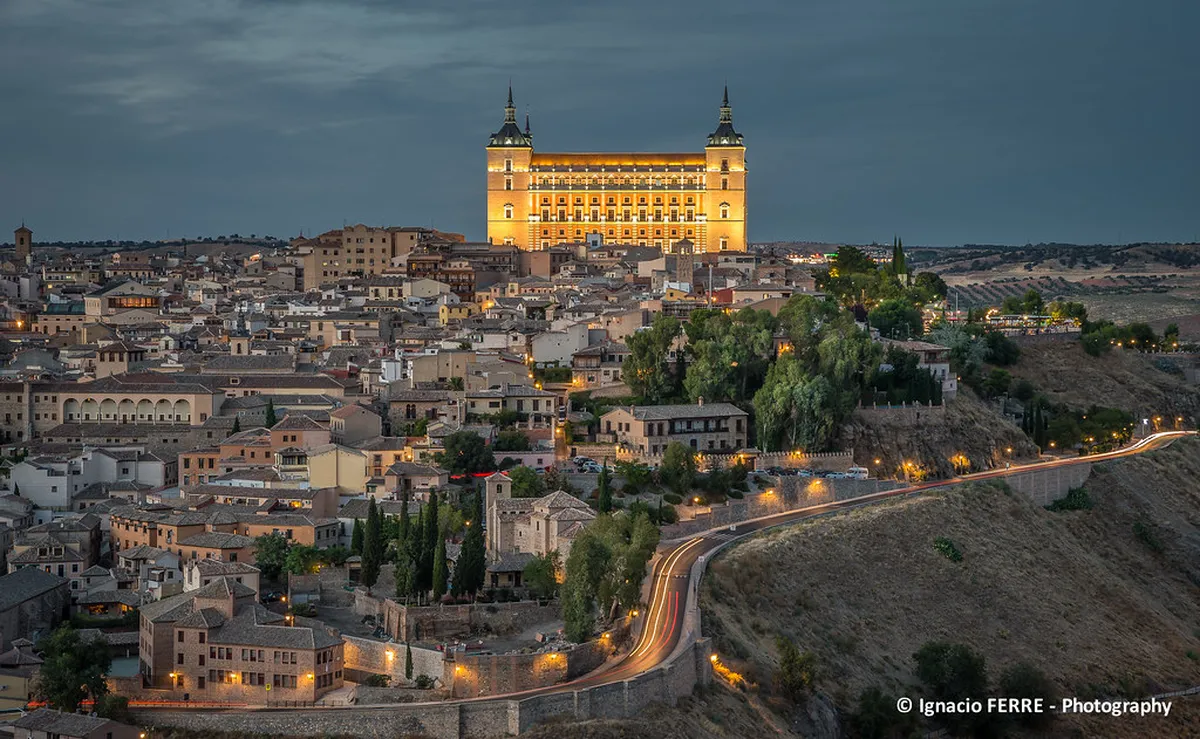
Charles V transformed the medieval castle into a royal palace during the 1500s. Architects Alonso de Covarrubias and Juan de Herrera designed the grand facade and central courtyard. The building eventually became a military academy rather than a permanent residence for the king. Fire and war damaged the structure several times before its modern restoration.
Walking through the lower levels allows you to see original archaeological remains. These stone layers reveal how each civilization built upon the work of the previous one. The fortress remained a vital defensive position for centuries due to its strategic height. Today, the site serves as a monument to national resilience and military tradition.
What to See Inside: The Army Museum & Exhibits
The building now hosts the Museo del Ejército, which is the national Spanish Army Museum. Exhibits span from the early history of the Spanish Empire to the modern day. You should prioritize the 13 themed rooms if you have limited time during your visit. Detailed information about current exhibitions is available on the Official Army Museum Website for 2026 planning.
The collection includes thousands of items like historic uniforms, medals, and heavy artillery. One of the most famous pieces is the sword believed to belong to Boabdil. Interactive displays help explain the evolution of military tactics and technology over the years. Plan to spend at least two hours if you want to see the main galleries.
General entry tickets usually cost around 5 Euros, but prices can vary by season. The 13 themed rooms feature medieval armor displays, the Charles V courtyard, and authentic royal chambers.
The museum is divided between the historic palace and a modern extension wing. Each area offers a different perspective on how the military shaped the nation's identity. The following list compares the two main sections to help you organize your tour.
- The Historic Renaissance Palace Building
- Focus: Medieval armor displays
- Highlights: Charles V courtyard
- Atmosphere: Authentic royal rooms
- Top Pick: Siege ruins
- The Modern Museum Extension Wing
- Focus: Modern military history
- Highlights: Interactive digital maps
- Atmosphere: Bright open spaces
- Top Pick: Uniform collection
The Civil War Siege: A Defining Moment
The 1936 siege of the Alcazar remains one of the most famous events in Spanish history. Nationalist forces held the fortress for 70 days against Republican attacks during the Civil War. The building was almost entirely destroyed by mines and constant artillery fire. Reconstruction efforts after the war aimed to restore the palace to its former glory.
You can visit the office of Colonel Moscardó, which has been preserved exactly as it was. The room serves as a somber reminder of the human cost of the conflict. Bullet holes and damaged masonry are still visible in certain parts of the basement levels. These ruins provide a stark contrast to the polished museum galleries upstairs.
The siege turned the Alcazar into a powerful symbol for the Franco regime for decades. Modern museum curators now present this history with a more objective and educational focus. Understanding this period is essential for grasping the modern political landscape of Spain. Many visitors find the basement exhibits to be the most moving part of the tour.
Architecture and Panoramic Views
The architecture of the Alcazar is a masterpiece of the Spanish Renaissance style. Four distinct facades showcase different artistic influences from the 16th and 17th centuries. The north facade is particularly impressive with its ornate carvings and grand entrance. It offers a different aesthetic compared to the Gothic details in our Toledo Cathedral guide section.
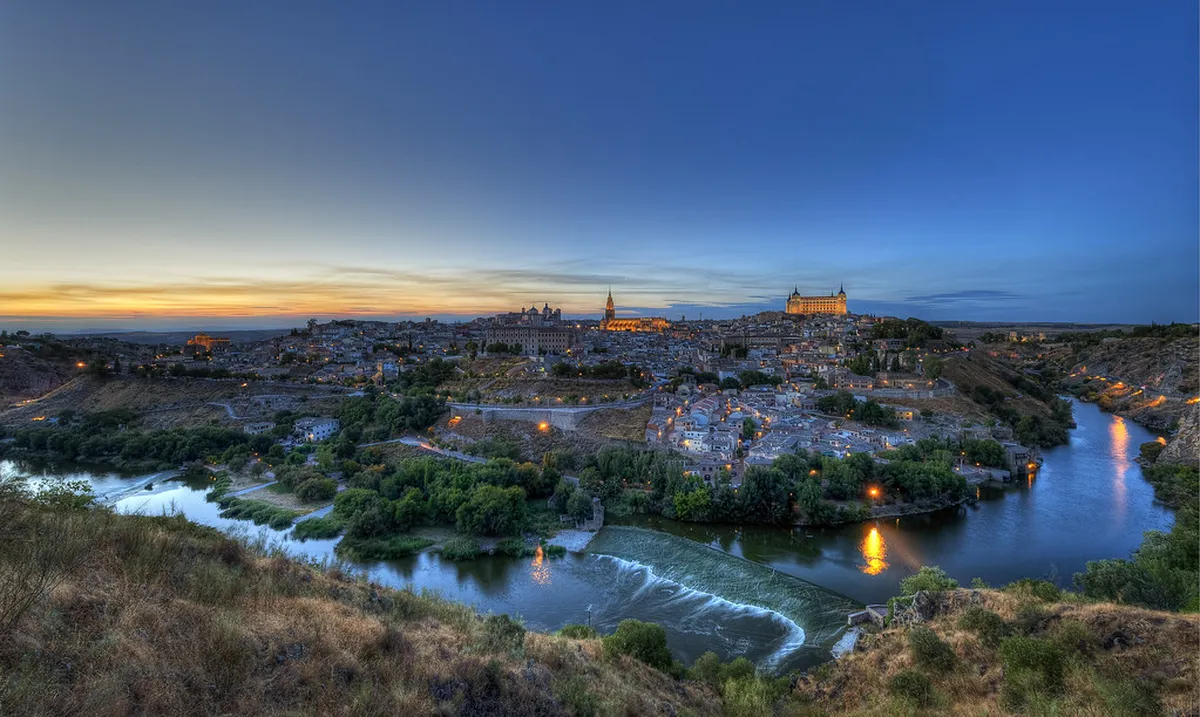
For the best views in the city, head to the top floor of the fortress. The regional library and its cafeteria are located here and are often missed by tourists. You can enjoy a coffee while looking out over the winding Tagus River below. This hidden gem provides a 360-degree panorama of the historic rooftops and surrounding hills.
The central courtyard is another architectural highlight with its double-tiered arches. A massive statue of Charles V stands in the center of the paved space. Symmetry and grand proportions define this area, creating a sense of royal power. Photographers will find excellent light and angles within this open-air plaza.
Planning Your Visit: Tickets, Hours, and Location
The fortress is located near the Plaza de Zocodover in the heart of the old city. Most visitors arrive after a short walk from the main square or the cathedral. Be aware that the walk from the cathedral involves several steep and narrow streets. Check the Toledo Tourism Board for any local event closures in 2026.
You must follow the 'Last Ticket' rule to ensure you have enough time to explore. The ticket office stops sales 30 minutes before the museum officially closes for the day. Furthermore, staff begin clearing the exhibition halls 15 minutes before the final closing time. Arriving at least two hours before closing is the best way to avoid disappointment.
General entry tickets usually cost around 5 Euros, but prices can vary by season. Sundays often offer free admission for all visitors, which can lead to larger crowds. If you are traveling from the capital, check our guide on how to get to Toledo from Madrid for transport tips. Following these practical tips for visiting Toledo will make your trip much smoother.
| Entry Type | Price (EUR) | Includes | Best For |
|---|---|---|---|
| General admission | 5 | Museum galleries only | All visitors |
| Sunday admission | Free | Full museum access | Budget travelers |
| Audio guide | +3 | Self-guided tour | Art/history enthusiasts |
For the full picture, see our complete things to do in Toledo guide.
Frequently Asked Questions
Is the Alcazar of Toledo worth visiting?
Yes, the Alcazar is worth visiting for its military history and incredible city views. It houses the national Army Museum and offers a unique look at the Spanish Civil War. Travelers interested in architecture and panoramic photography will find it very rewarding during their stay.
How long does it take to see the Alcazar of Toledo?
You should plan to spend between two and three hours exploring the museum and the fortress grounds. This allows enough time to see the themed rooms and the top-floor library views. If you are deciding how many days in Toledo to stay, one full day is usually enough for the main sites.
Can you take photos inside the Army Museum?
Photography is generally allowed in most areas of the museum without a flash. However, some specific temporary exhibits or sensitive historical documents may have restrictions. Always look for signage in each gallery or ask the staff if you are unsure about the rules.
The Alcazar remains a powerful landmark that defines the skyline of this historic city. From its Roman roots to its role in the Civil War, the fortress is a witness to history. Using this Alcazar of Toledo guide ensures you see the most important exhibits and views. Make sure to include this site on your next journey through the heart of Spain.
You might also like


Continue reading
More guides you'll find useful


