

Toledo Synagogues and Jewish Quarter Guide: 12 Key Highlights
Explore the rich Sephardic heritage of Toledo with our guide to the Jewish Quarter. Includes synagogue details, walking itineraries, and 12 essential visitor tips.
On this page
Exploring Toledo Synagogues and the Historic Jewish Quarter
Toledo stands as a living monument to Spain's complex medieval history and diverse cultural roots.
The narrow streets of the Judería offer a profound look into the lives of Sephardic Jews.
This Toledo synagogues and Jewish quarter guide explores twelve essential highlights for every curious traveler.
The Jewish Quarter (Judería) occupies the southwestern corner of Toledo's old city. Two main synagogues remain: Sinagoga del Tránsito and Sinagoga de Santa María la Blanca. The tourist wristband (Pulsera Turística) at €12 covers seven monuments and saves money if visiting 4 or more sites.
History of the Judería de Toledo
The Jewish Quarter, or Judería, occupies the southwestern corner of the historic city center. It was once one of the most important Jewish communities in all of medieval Europe. Walking these cobblestone paths helps you understand the Toledo city of three cultures history through its architecture. The area remains a UNESCO World Heritage site due to its perfectly preserved medieval layout.
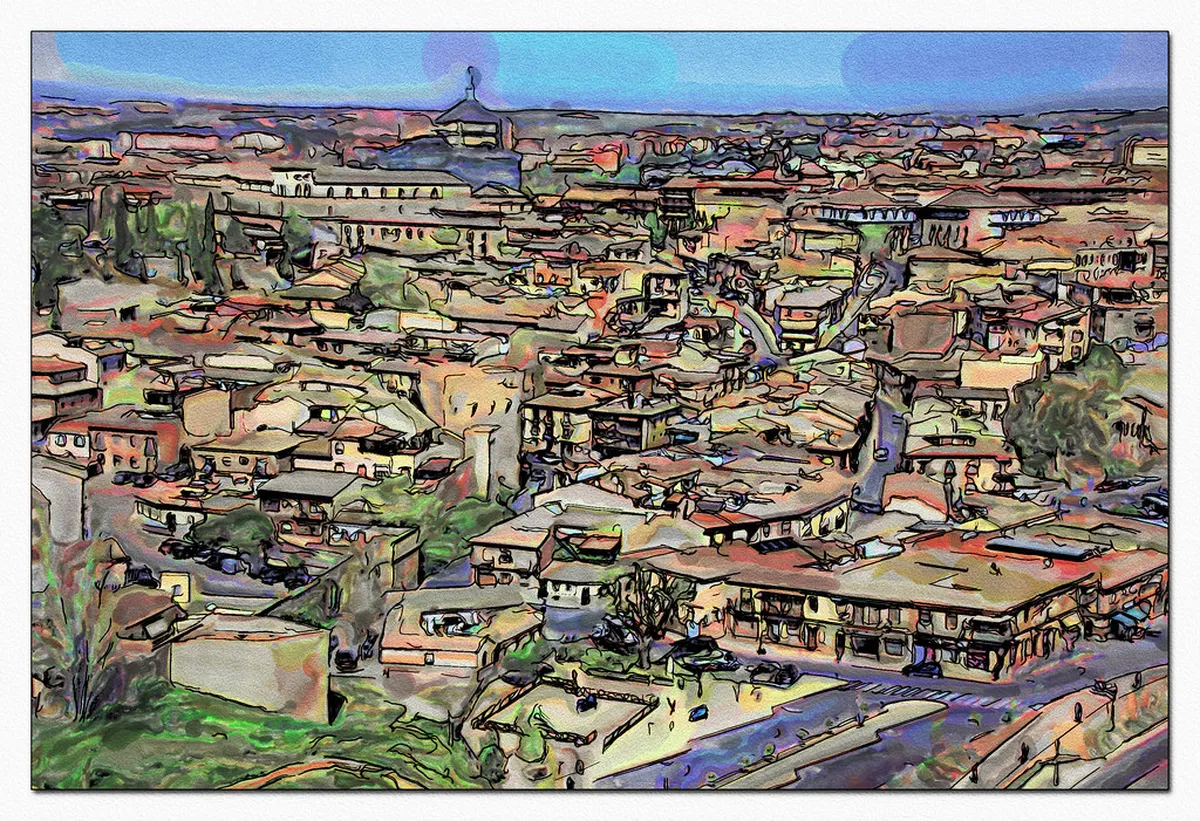
Jewish residents lived in this district for centuries before the expulsion in 1492. They contributed significantly to the city's intellectual and economic growth during the Middle Ages. The neighborhood features winding alleys designed to provide shade and defense. You can still find small ceramic tiles marking the boundaries of the ancient Jewish district.
The architecture here reflects the Mudéjar style, which blends Islamic and Christian design elements. This unique fusion is visible in the ornate plasterwork and horseshoe arches of the surviving buildings. Many former Jewish homes now serve as charming hotels or local craft shops. Exploring this history provides essential context for the rest of your visit to Toledo.
The 1492 Edict of Expulsion forced the Sephardic community to leave their homes or convert. Despite this tragic end, the physical structures of the Judería remained largely intact over the centuries. Modern efforts have focused on restoring these sites to honor the city's diverse heritage. Today, the district is the most atmospheric part of the city for a late afternoon stroll.
Sinagoga del Tránsito (Sephardic Museum)
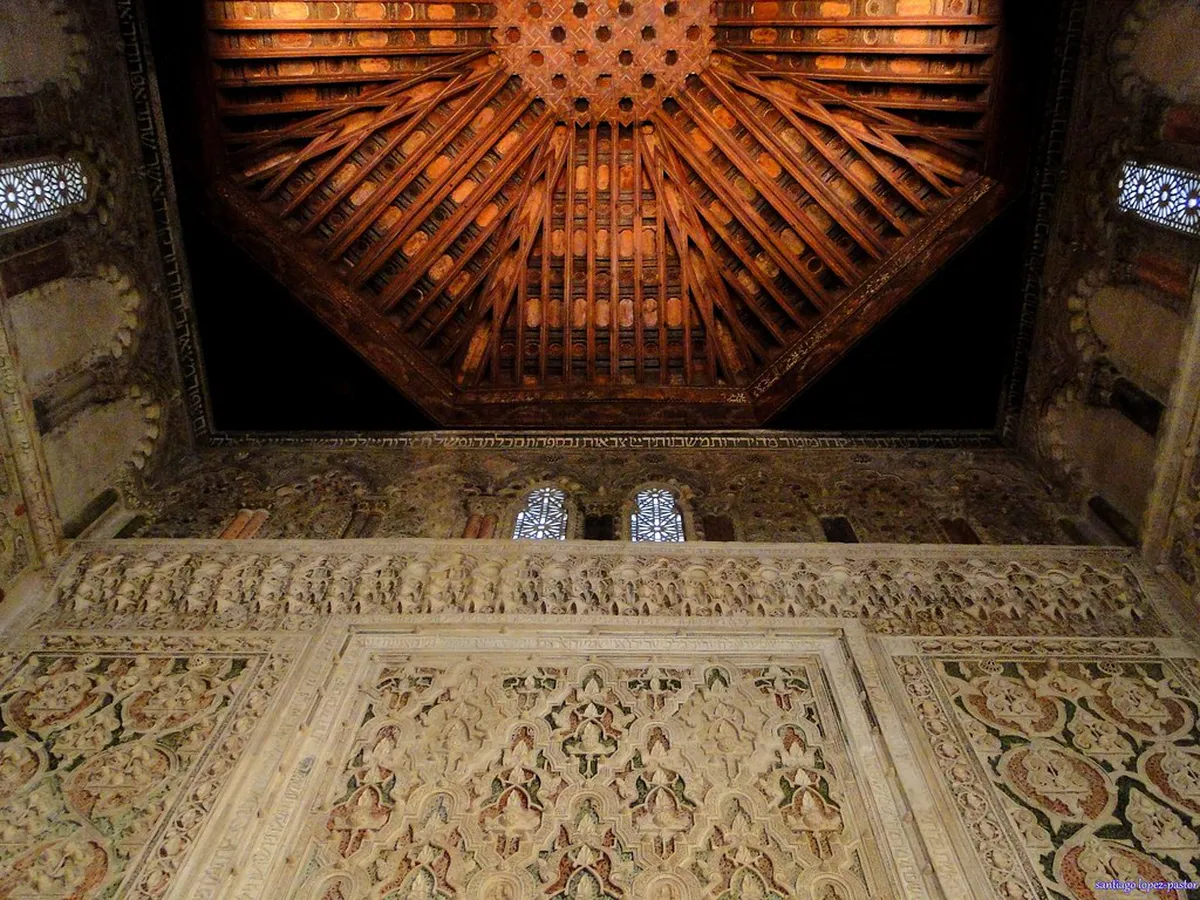
The Sinagoga del Tránsito is perhaps the most beautiful example of Sephardic architecture in Spain. Samuel ha-Levi, the treasurer to King Peter of Castile, founded this magnificent building in 1357. Its main prayer hall features incredible stucco work with Hebrew inscriptions and floral motifs. The wooden ceiling is made of Lebanese cedar and displays intricate geometric patterns.
Today, the building houses the National Museum of Sephardic Art, also known as the Sephardic Museum. The exhibits showcase the history of Jewish people in Spain from Roman times until the expulsion. You can view religious artifacts, traditional costumes, and historical documents in the various galleries. Check the Sephardic Museum Official Site for current temporary exhibitions and special events.
The museum provides a deep look into the daily lives and traditions of the Sephardic community. Visitors often find the women's gallery particularly interesting for its views of the main hall. The courtyard outside offers a peaceful space to reflect on the historical significance of the site. Most travelers spend about an hour exploring the various rooms and the main prayer hall.
Entry is often free on Saturday afternoons and Sunday mornings for all visitors. Standard tickets cost approximately 3 euros if you are not using a tourist pass. The museum is closed on Mondays, so plan your itinerary accordingly to avoid disappointment. Photography without flash is generally allowed inside the historic prayer hall.
Sinagoga de Santa María la Blanca
The Sinagoga de Santa María la Blanca is the oldest synagogue building in Europe still standing. Constructed in 1180, it features a striking interior of white pillars and horseshoe arches. The design was created by Islamic architects for Jewish use under a Christian kingdom. This building perfectly illustrates the cooperative spirit of the "Three Cultures" era in Toledo.
The interior feels like a forest of white columns topped with intricate pinecone capitals. It was converted into a church in the early 15th century, which led to its current name. Despite the change in use, the original Mudéjar architectural elements remain beautifully preserved. The contrast between the plain exterior and the ornate interior often surprises first-time visitors.
This site is one of the most popular attractions in the entire Jewish Quarter. To avoid large tour groups, try to visit early in the morning or during the lunch hour. The site is included in the popular tourist wristband, making access very convenient. Most visitors spend 20 to 30 minutes admiring the unique symmetry of the arches.
The surrounding gardens offer a quiet spot to rest between visiting different monuments. Small plaques near the entrance provide historical context in both Spanish and English. The synagogue is located just a short walk from the El Greco Museum and the Tránsito synagogue. It remains a highlight of any Toledo one day itinerary for history lovers.
Monastery of San Juan de los Reyes
The Monastery of San Juan de los Reyes was built by the Catholic Monarchs in the 15th century. It was originally intended to be their burial place before they chose Granada instead. The building sits on the edge of the Jewish Quarter and features a stunning two-level cloister. Its architecture is a prime example of the Isabelline Gothic style with Mudéjar influences.
On the exterior walls, you can see heavy iron chains hanging from the stone facade. These chains were worn by Christian prisoners released from Moorish captivity during the Reconquista. They serve as a powerful and somber reminder of the city's turbulent military history. The contrast between this grand Christian monument and the nearby Toledo Cathedral guide is fascinating.
The upper level of the cloister features a magnificent Mudéjar ceiling with painted heraldic symbols. Gargoyles and intricate stone carvings decorate the courtyard, creating a peaceful and artistic atmosphere. It is widely considered one of the most beautiful Gothic cloisters in all of Spain. Entry is included in the tourist wristband, or you can pay a small individual fee.
The monastery offers excellent views of the Tagus River and the San Martín bridge. It is a great place to visit late in the afternoon when the light hits the stone. Many visitors find the quiet atmosphere of the gardens a perfect break from the busy streets. Plan for at least 45 minutes to fully appreciate the church and the cloister.
El Greco Museum (Museo del Greco)
The El Greco Museum is located in the heart of the Jewish Quarter near the synagogues. It is housed in a 16th-century building that recreates the artist's home and studio environment. The museum holds a significant collection of paintings by the famous Cretan master. You can see his famous series of the Apostles and views of the city here.
The building features a beautiful courtyard and a traditional cave-like cellar typical of Toledo. Walking through the rooms gives you a sense of what life was like for the city's elite. The gardens are particularly lovely in the spring and offer a cool respite from the sun. It is one of the few museums in the city dedicated to a single artistic figure.
The museum is free to visit on Saturday afternoons and all day on Sundays. Standard entry is quite affordable at 3 euros for adults on other days of the week. It is conveniently located within walking distance of the Sinagoga del Tránsito. Art enthusiasts should allow at least an hour to view the entire collection properly.
The museum often hosts temporary exhibitions related to the artist and his contemporary followers. Informational panels explain El Greco's unique style and his deep connection to Toledo's landscape. The gift shop offers high-quality prints and books about the artist's life and works. It remains a top cultural stop for anyone exploring the historic Judería district.
Puerta del Cambrón (The Jews' Door)
The Puerta del Cambrón serves as the western gateway into the historic city of Toledo. It is often called the "Gate of the Jews" because of its proximity to the Judería. The current structure dates back to 1576 and features a Renaissance design with four towers. It was built on the site of an older Visigothic and Islamic gate.
The gate is unique because it is the only one in the city that allows vehicle traffic. Pedestrians can walk through the side arches to safely enter or exit the old town. The facade features the coat of arms of King Philip II and a statue of Saint Leocadia. It provides a grand entrance for those walking up from the river or the parking areas.
The surrounding walls offer a glimpse into the defensive systems that once protected the city. You can see different layers of stonework from various historical periods in the masonry. The gate is a perfect starting point for a walk along the northern edge of the city. It is located just a few minutes away from the Monastery of San Juan de los Reyes.
Photographers love the gate for its symmetrical towers and the way it frames the street beyond. Late afternoon light provides the best conditions for capturing the warm tones of the stone. The area around the gate is usually less crowded than the main Plaza de Zocodover. It remains an essential part of the city's historic fortifications and a key landmark.
Puente de San Martín
The Puente de San Martín is a medieval bridge that spans the Tagus River. Built in the late 14th century, it features five impressive Gothic arches and two towers. It offers some of the most iconic views of the Jewish Quarter and the monastery. Walking across the bridge is a highlight for many visitors looking for a scenic stroll.
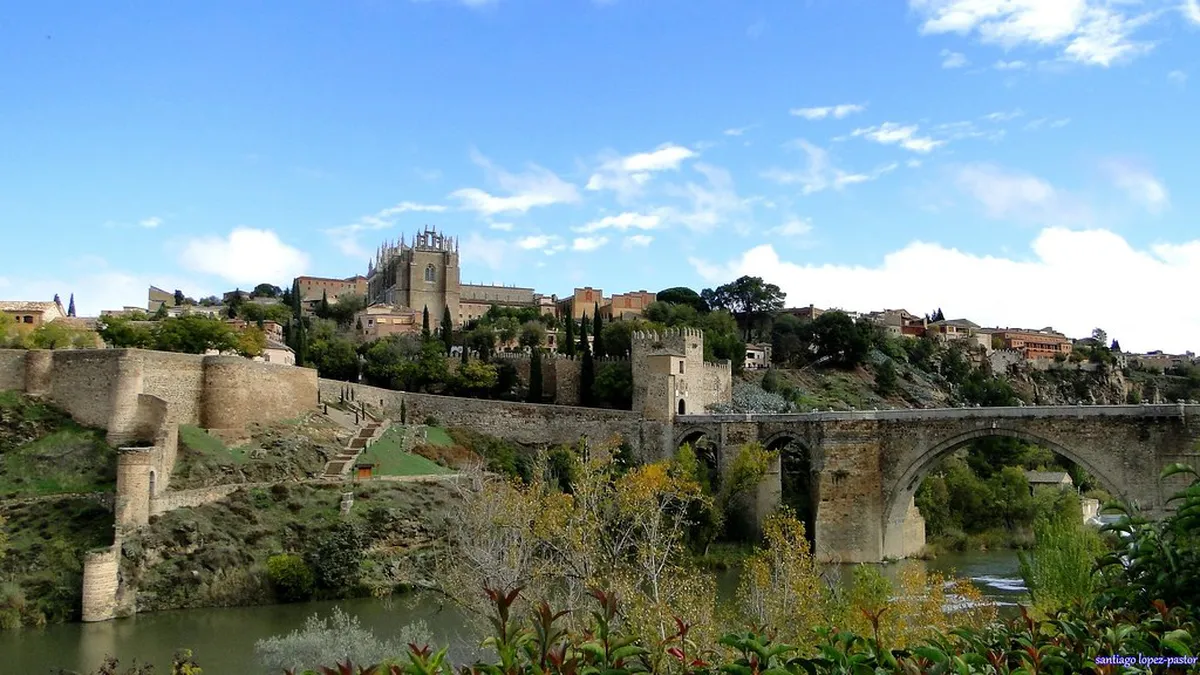
A famous local legend tells of the architect's wife who saved the bridge from collapsing. She supposedly burned the wooden scaffolding during a storm to hide a calculation error. The bridge was later rebuilt successfully and has stood firm for hundreds of years. Today, it is a pedestrian-only zone that connects the city to the western hiking trails.
For the best photos, head to the best viewpoints in Toledo Mirador del Valle nearby. The bridge looks particularly stunning at sunset when the city lights begin to flicker on. Adventure seekers can even try the urban zipline that runs parallel to the bridge. It is a great spot to feel the breeze and see the river flowing below the city.
The bridge is located at the bottom of a steep hill leading from the Jewish Quarter. Wear comfortable shoes as the walk back up into the city can be quite tiring. Many travelers choose to start their day here and walk upward toward the synagogues. The towers at either end of the bridge once served as defensive checkpoints.
Iglesia de Santo Tomé
The Iglesia de Santo Tomé is famous for housing El Greco's masterpiece, "The Burial of the Count of Orgaz." The painting is located in a special chapel just inside the entrance of the church. It depicts a local miracle where Saint Stephen and Saint Augustine descended to bury the Count. The work is celebrated for its incredible detail and the artist's use of light and color.
The church itself was originally a mosque and still features a beautiful Mudéjar bell tower. This tower is one of the best-preserved examples of 14th-century brickwork in the city. The interior of the church is small, but the painting makes it a must-see destination. It is located right on the main path through the Jewish Quarter.
Because of the painting's fame, this site can get very crowded during peak hours. Try to visit either early in the morning or late in the afternoon to avoid groups. The entry fee is included in the tourist wristband, making it an easy addition to your day. Most people spend about 15 minutes in the chapel to admire the large-scale painting.
The chapel provides benches where you can sit and study the different figures in the artwork. Look for the small boy in the foreground, who is believed to be El Greco's son. The surrounding streets are full of small shops selling local crafts and traditional swords. It is a perfect stop between the main cathedral and the synagogues further west.
Iglesia de San Salvador
The Iglesia de San Salvador offers a rare glimpse into the physical layers of Toledo's history. This site sits on the foundations of a Visigothic cathedral and a later Islamic mosque. It is a must-visit if you want to see all three cultural layers in one spot. You can see Visigothic pilasters and Islamic arches integrated into the Christian church structure.
The building is part of the tourist wristband program and is often very quiet. It provides a peaceful alternative to the more crowded monuments in the city center. The excavation area allows you to see the original stone floors from the 7th century. It is a fascinating site for those interested in archaeology and architectural evolution.
Travelers on a very tight schedule might choose to skip this site for the larger synagogues. However, it only takes about 15 minutes to see the main highlights of the interior. The decision matrix is simple: visit for the "Three Cultures" depth, skip for time. It is located near the Plaza de El Salvador, just a short walk from Santo Tomé.
The church features a small museum area with artifacts found during the restoration process. Informational displays explain how the building changed use over more than a thousand years. The bell tower offers a unique perspective on the surrounding rooftops of the Judería. It remains one of the city's hidden gems for dedicated history enthusiasts.
Recommended Walking Itinerary
A well-planned route helps you see the best of the Judería without unnecessary backtracking. Start your morning at the Puerta del Cambrón and walk toward the Monastery of San Juan de los Reyes. This allows you to tackle the uphill sections while you still have plenty of energy. Follow the signs for the "Ruta de la Judería" to stay on the historic path.
Next, head to the Sinagoga de Santa María la Blanca to beat the mid-morning tour groups. From there, it is a very short walk to the El Greco Museum and the Tránsito synagogue. This cluster of sites forms the heart of the Jewish heritage experience in Toledo. Take a break in one of the small plazas for a coffee or a local pastry.
In the afternoon, visit the Iglesia de Santo Tomé to see the famous El Greco painting. Finish your walk by heading down to the Puente de San Martín for sunset views. This route covers all the major highlights mentioned in this guide in a logical order. You can easily adapt this into a Toledo one day itinerary based on your interests.
Keep an eye out for the small blue and white tiles on the ground along the way. These tiles mark the "Red de Juderías de España" and guide you through the old quarter. The streets are narrow and can be confusing, so a digital map is very helpful. The entire walking route is approximately 1.5 kilometers long but involves some steep hills.
- Morning: The Western Gates and Monastery
- Start: Puerta del Cambrón
- Visit: San Juan de los Reyes
- Time: 9:00 AM to 10:30 AM
- Tip: Best for morning light
- Midday: The Two Main Synagogues
- Visit: Santa María la Blanca
- Next: Sinagoga del Tránsito
- Time: 11:00 AM to 1:00 PM
- Tip: Buy the tourist wristband
- Afternoon: Art and Hidden Churches
- Visit: El Greco Museum
- Next: Iglesia de Santo Tomé
- Time: 2:30 PM to 4:30 PM
- Tip: Check for free entry
- Evening: River Views and Sunset
- Finish: Puente de San Martín
- View: Tagus River valley
- Time: 5:30 PM to Sunset
- Tip: Great for photography
Practical Visitor Information (Tickets & Hours)
The "Pulsera Turística" is a tourist wristband that costs 12 euros and covers seven major monuments. This pass includes the Sinagoga de Santa María la Blanca and the Monastery of San Juan de los Reyes. Buying individual tickets for these sites usually costs about 4 euros each at the door. You save money after visiting just four of the seven included locations.
Most monuments in the Jewish Quarter are open from 10:00 AM to 6:00 PM daily. During the summer months, some sites may stay open until 7:00 PM for visitors. Always check the Toledo City Council Tourism Portal for the latest updates on closures. Note that the Sephardic Museum is always closed on Mondays throughout the year.
Wear comfortable walking shoes with good grip for the uneven cobblestone streets. Toledo is known for its steep hills, which can be challenging in the summer heat. Carry a refillable water bottle, as there are several public fountains in the historic center. You can find more practical tips for visiting Toledo to help plan your trip.
Public restrooms are available inside the major museums and near the main plazas. Most sites now accept credit cards, but having some small cash for bakeries is useful. Guided tours are available in multiple languages and often start near the cathedral. The city is very safe, but keep an eye on your belongings in crowded areas.
Best Places to Eat in the Jewish Quarter
No visit to the Jewish Quarter is complete without tasting the famous local sweets. The Toledo marzipan and local food guide highlights the Jewish roots of these almond treats. Visit the Santo Tomé bakery to try authentic recipes that have remained unchanged for generations. These shops often sit right next to the historic synagogues and ancient city walls.
For a full meal, look for restaurants offering "Carcamusas," a traditional pork and tomato stew. Many eateries in the Judería have hidden courtyards that offer a quiet dining experience. The area is also famous for its Manchego cheese and local saffron-infused dishes. Try to book a table in advance if you plan to eat during the busy weekend period.
Several cafes near the El Greco Museum offer great views of the Tagus River valley. They are perfect for a light lunch of tapas and local wine between sightseeing stops. Look for the "Menu del Día" for a cost-effective way to try multiple local specialties. The Jewish Quarter has a more relaxed dining atmosphere than the busy Zocodover area.
You can also find small shops selling local honey, olive oil, and handmade ceramics. These make for excellent souvenirs that reflect the agricultural heritage of the region. The scent of toasted almonds often fills the air near the historic bakeries. Enjoying the local flavors is an essential part of the Toledo cultural experience.
Frequently Asked Questions
How many synagogues are left in Toledo?
There are two main historic synagogues remaining in Toledo: the Sinagoga del Tránsito and the Sinagoga de Santa María la Blanca. Both are located in the Jewish Quarter and function as museums. You can visit both on the same day easily. For more dining options after your visit, check the best restaurants in Toledo Spain guide.
Is the Toledo Jewish Quarter worth visiting?
Yes, the Jewish Quarter is one of the most atmospheric and historically significant parts of the city. It offers a unique look at Sephardic heritage and Mudéjar architecture. The narrow streets and well-preserved monuments make it a highlight for any traveler. Most visitors find it the most charming district in Toledo.
What is the best way to see the Jewish Quarter?
The best way to explore the Judería is on foot using a self-guided walking route. Start at the Puerta del Cambrón and work your way toward the center. This allows you to see the synagogues and the monastery in a logical sequence. Wearing comfortable shoes is essential for the steep cobblestone hills.
Can you visit the Sephardic Museum and Santa Maria la Blanca on the same day?
Yes, these two sites are located just a five-minute walk from each other. You can easily visit both in a single morning or afternoon. Most travelers spend about 90 minutes total between the two locations. Buying the tourist wristband makes entry to Santa María la Blanca very fast and convenient.
The Jewish Quarter of Toledo is a powerful testament to the city's multicultural past.
From the stunning arches of the synagogues to the quiet beauty of the cloisters, there is much to discover.
Use this guide to plan an unforgettable journey through one of Spain's most historic neighborhoods.
You might also like


Continue reading
More guides you'll find useful


