

9 Key Chapters of Toledo’s City of Three Cultures History
Explore Toledo, the City of Three Cultures. See how Jews, Muslims, and Christians shaped this medieval capital through art and the School of Translators.
On this page
9 Key Chapters of Toledo’s City of Three Cultures History
Toledo stands as a unique testament to medieval harmony and architectural brilliance in central Spain. This ancient capital earned its famous nickname because Jews, Muslims, and Christians lived together for centuries. Visitors today can walk through winding streets that still echo the complex Toledo city of three cultures history.
Exploring these layers reveals why the entire historic center holds whc.Unesco.org World Heritage status. The city remains a living museum where different faiths left an indelible mark on the landscape. Understanding this coexistence helps travelers appreciate the deep cultural roots of modern Spain.
The Meaning of Toledo City of Three Cultures History
The term Convivencia describes the period when three major religions shared this hilltop city. It refers to the centuries of peaceful coexistence between the Jewish, Muslim, and Christian populations. Local history shows that these groups often collaborated on trade, science, and urban development.
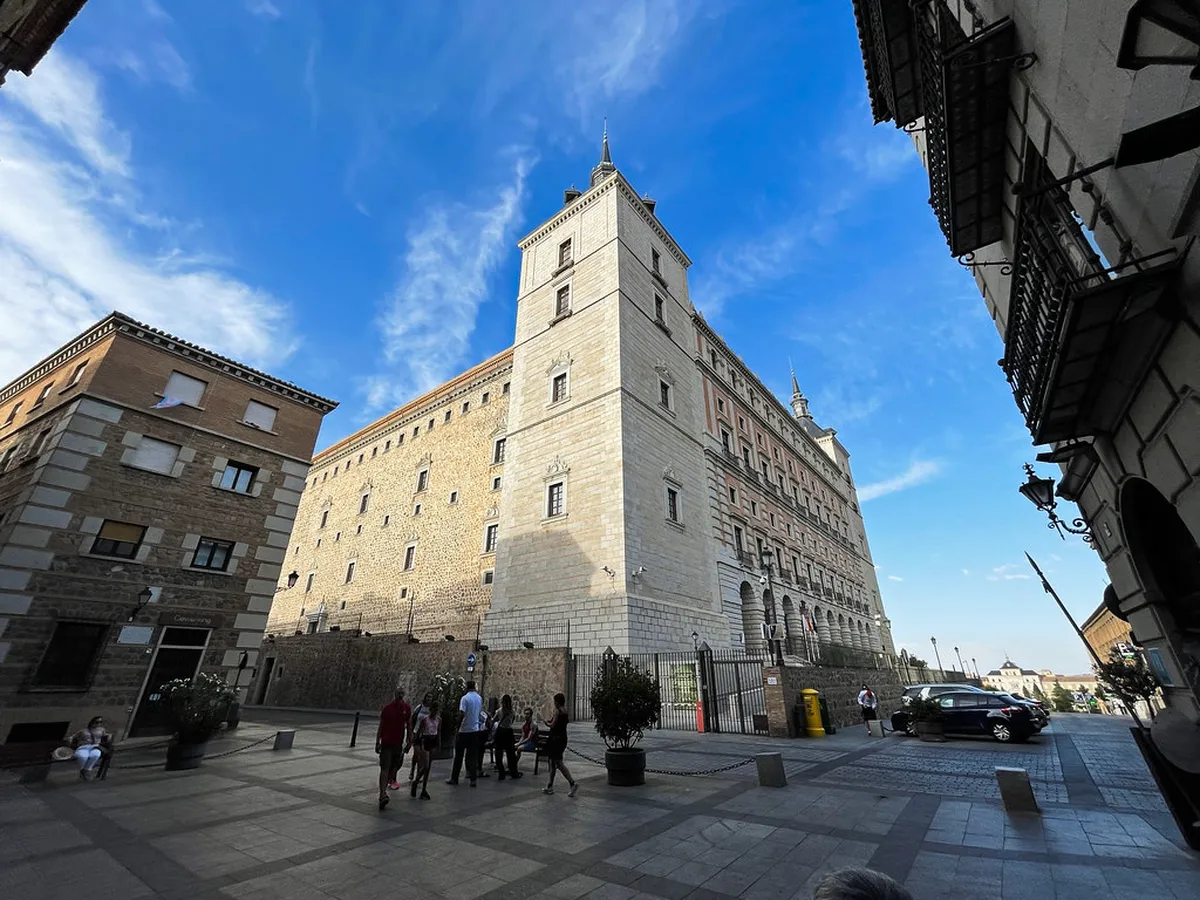
While the relationship was not always perfect, it created a vibrant intellectual environment. Scholars and craftsmen from each faith contributed to the city's unique social fabric. You can still see the results of this shared effort in the diverse monuments today.
Deciding is Toledo worth visiting often depends on your interest in this rare historical period. Most historians agree that this era shaped the intellectual future of the entire continent. The city serves as a powerful reminder of how diversity can lead to great achievements.
A Historical Timeline: From Roman Toletum to the Reconquista
The history of Toledo began long before the medieval era with the Roman settlement of Toletum. Strategic positioning on a hill surrounded by the Tagus River made it a perfect fortress. Following the Romans, the Visigoths established their royal capital here during the 6th century.
Moorish forces conquered the city in 711, introducing Islamic culture and advanced irrigation techniques. Toledo then became a flourishing center of the Umayyad Caliphate for several hundred years. This period introduced the intricate art and architecture that still defines the old town.
King Alfonso VI reclaimed the city for the Christians during the Reconquista in 1085. He famously promised to respect the rights and places of worship for all residents. This pivotal moment allowed the three cultures to continue their shared life under Christian rule.
Islamic Influence: The Mosque of Cristo de la Luz
The Mosque of Cristo de la Luz remains one of the most significant Islamic monuments in the city. Built in 999, it is the only mosque from the Moorish period that survives in its original form. Finding this site is one of the top things to do in Toledo Spain for architecture lovers.
Archaeologists recently discovered a Roman road beneath the structure during a major renovation project in 2010. This discovery proves the mosque was built directly over a much older Roman thoroughfare. The site perfectly illustrates how each new culture built upon the foundations of the last.
Inside the mosque, you can see nine distinct bays with various vault designs. The brick exterior features the famous horseshoe arches that are typical of Islamic design. Later conversion into a Christian chapel added a small apse with beautiful Romanesque frescoes.
Jewish Heritage: Santa María la Blanca and the Judería
Toledo served as a vital center for the Sephardic Jewish community for many centuries. The Santa María la Blanca synagogue stands as a stunning example of cultural cooperation. Islamic craftsmen actually built this Jewish temple, which explains the beautiful Mudejar arches inside.
Walking through the Judería allows you to feel the deep history of this influential community. Narrow streets and hidden courtyards reveal the private lives of medieval Jewish families. The area also houses the Sinagoga del Tránsito, which contains a fascinating Sephardic museum.
These sites highlight the high level of artistic exchange that occurred during the medieval period. Visitors can admire the delicate plasterwork and Hebrew inscriptions that decorate the walls. Preserving these landmarks ensures that the Jewish contribution to Spanish history is never forgotten.
Christian Dominance: The Primate Cathedral of Toledo
Construction of the massive Primate Cathedral began in 1226 under the reign of Ferdinand III. Architects chose a High Gothic style inspired by the great cathedrals of Northern France. It took over two hundred years to complete this masterpiece of Christian devotion.
The interior features a stunning collection of art, including works by the famous painter El Greco. You should consult a Toledo Cathedral guide to find the most important chapels. The Great Monstrance of Arfe is a highlight that showcases incredible goldsmithing skill.
Exploring the cloisters provides a quiet escape from the busy streets of the city. Every corner of the building tells a story of the power and wealth of the Spanish church. The cathedral remains the spiritual heart of the city and a symbol of Christian victory.
The School of Translators: A Hub of Medieval Knowledge
The School of Translators transformed Toledo into the intellectual heart of medieval Europe. Jewish, Muslim, and Christian scholars worked together to translate vital scientific and philosophical texts into Latin. This collaboration allowed ancient Greek and Arabic knowledge to reach the rest of the Western world.
King Alfonso X later patronized the school, encouraging the use of the Castilian language. His support helped establish Toledo as a bridge between the East and the West. Scholars from across the continent traveled here to study mathematics, astronomy, and medicine.
Without this exchange, many works by Aristotle and Ptolemy might have been lost to history forever. The school represents the most successful example of intellectual cooperation in the Middle Ages. Today, the legacy of these translators lives on in the city's many libraries and universities.
Mudejar Style: The Architectural Fusion of Faiths
Mudejar architecture represents the beautiful fusion of Islamic techniques with Christian and Jewish building styles. You can identify this style by its intricate brickwork, decorative plaster, and distinctive horseshoe arches. Many local landmarks feature these elements as a visual reminder of the city's diverse cultural heritage.
Mudejar style uses red brick with geometric patterns, white plaster work, and distinctive horseshoe arches from Islamic influence. Look for decorative ceramic tiles in blue, yellow, and green. The Mosque of Cristo de la Luz (completed 999) is the finest surviving example of Islamic architecture in Toledo.
| Culture | Key Feature | Common Material |
|---|---|---|
| Islamic | Horseshoe Arches | Red Brick |
| Jewish | Geometric Patterns | White Plaster |
| Christian | Ribbed Vaulting | Grey Stone |
Finding these details is a highlight when exploring Toledo Spain hidden gems throughout the old town. The style emerged when Muslim craftsmen remained in the city after the Christian Reconquista. Their skills were highly valued by the new rulers for building palaces and churches.
The result is a unique aesthetic that exists almost nowhere else in the world. Look for the colorful ceramic tiles that often decorate the floors and walls of these buildings. These decorative touches add a splash of color to the earthy tones of the stone walls.
Legends and Folklore of the Three Cultures
Rich oral traditions and legends bring the city's ancient walls to life for modern visitors. Many stories focus on the dramatic transition between Moorish and Christian rule in 1085. The Legend of the Christ of the Light tells of a hidden lamp found behind a wall.
These tales add a layer of mystery to the physical history found in the city's museums. Local guides often share stories of forbidden romances between people of different faiths. The Tagus River is the setting for many myths involving enchanted caves and hidden treasures.
Listening to these stories helps you connect with the emotional history of the city. Folklore provides a window into the beliefs and fears of the people who lived here centuries ago. Every narrow alleyway seems to have its own legend waiting to be discovered by curious travelers.
Practical Tips for a Three Cultures Historical Tour
Travelers often start their journey by learning how to get to Toledo from Madrid quickly. Taking the high-speed train is the most efficient way to reach the city in about thirty minutes. Once you arrive, the historic center is best explored on foot due to its narrow streets.
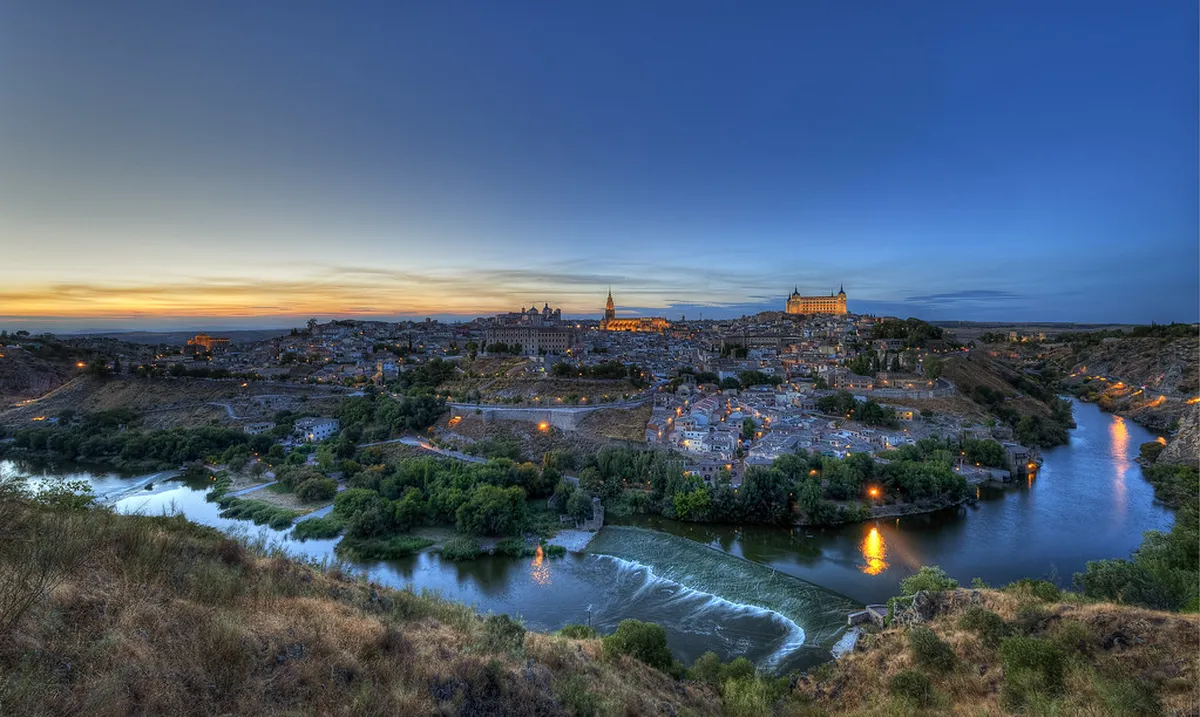
In 2026, most major monuments in Toledo maintain a consistent schedule for international visitors. You should check the best time to visit Toledo Spain to avoid the summer heat. Spring and autumn offer the most pleasant weather for walking between the different religious sites.
Wearing comfortable shoes is essential because the city is built on a very steep hill. Consider buying a tourist wristband to save money on entry fees for multiple historic monuments. The city is also famous for its steel swords, which make for a very traditional souvenir.
- Fast AVE train connection from Madrid Atocha
- Travel time: 33 minutes
- Cost: ~14 Euro
- Frequency: Every hour
- Best for: Day trips
- The official Toledo Tourist Wristband
- Access: 7 monuments
- Cost: 12 Euro
- Benefit: Skip lines
- Duration: Valid 24 hours
Frequently Asked Questions
Which sites best represent the "Three Cultures" in Toledo?
Visit the Mosque of Cristo de la Luz, the Synagogue of Santa María la Blanca, and the Primate Cathedral. These three landmarks perfectly showcase the Islamic, Jewish, and Christian architectural legacies. They are all located within easy walking distance in the historic center.
How long did the "Three Cultures" period last?
The period of coexistence reached its peak between the 11th and 13th centuries. It began after the Christian Reconquista of 1085 when King Alfonso VI promised religious freedom. This era of harmony gradually declined toward the end of the 15th century.
Is Toledo's history of coexistence a myth or reality?
It is a historical reality supported by architectural evidence and official records. While social tensions did exist, the collaboration in science and trade was very real. The surviving buildings prove that different faiths shared the same urban and cultural space.
What is the significance of the School of Translators in Toledo?
The school acted as a bridge for ancient knowledge to enter Western Europe. Scholars translated Greek and Arabic works on medicine, math, and philosophy into Latin. This intellectual exchange was vital for the development of the European Renaissance.
What is the best way to see the Jewish quarter?
Enter the Judería through the Cambrón Gate and wander toward the Sephardic Museum. Look for the small decorative tiles on the ground that mark the Jewish heritage trail. This area contains the city's most important synagogues and medieval residential streets.
Toledo remains a powerful symbol of how different faiths can build a shared and lasting legacy. The city's streets offer a living museum where every stone tells a story of cultural exchange. Planning a visit allows you to witness the enduring beauty of this historical coexistence firsthand.
The lessons of the three cultures continue to inspire historians and travelers from around the world. By preserving these monuments, Toledo ensures that its unique history will educate future generations.
You might also like



Continue reading
More guides you'll find useful


