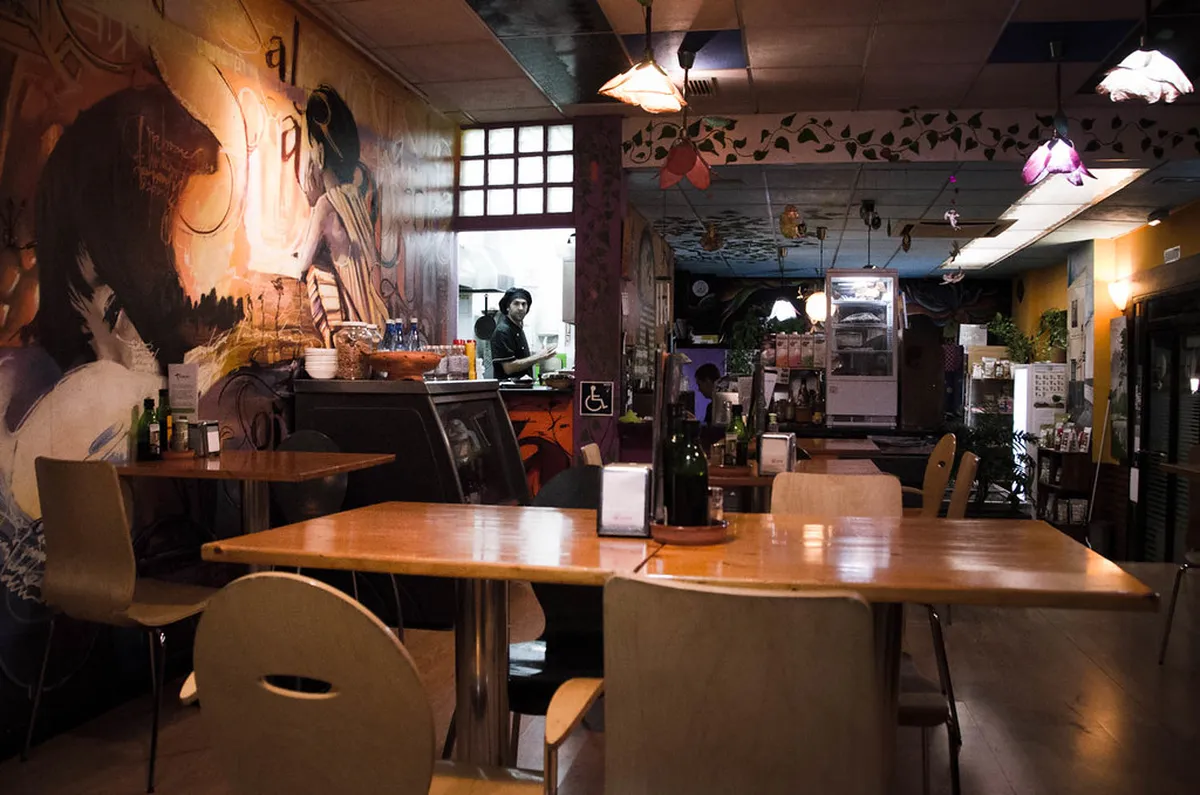
10 Must-Try Foods & Drinks: What to Eat in Seville (2026)
Plan what to eat in Seville with top picks, neighborhood context, timing tips, and practical booking advice for a smoother trip.
On this page
10 Essential Bites: What to Eat in Seville (2026)
After three visits to Seville over five years, I've learned that the city's heart beats strongest in its kitchens and tapas bars. This guide, last refreshed in February 2026, distills years of personal exploration into the absolute must-try foods and drinks. Seville’s culinary scene is a vibrant tapestry, from ancient Roman influences to Moorish flavors, all wrapped in Andalusian warmth. Prepare to embark on a delicious journey that will define your trip to this incredible Spanish city.
Eating in Seville is more than just sustenance; it's a social ritual, a celebration of fresh, local ingredients. From bustling Triana markets to hidden gems in Santa Cruz, every corner offers a new flavor to discover. Our focus here is on authentic experiences, helping you navigate the endless options and savor every bite. Let's dive into the essential dishes that make Seville a true foodie paradise.
Plan with trusted sources: cross-check opening hours and seasonal details with the official Seville tourism office, and read more Seville's history on its Wikipedia entry before you go.
10 Must-Try Foods in Seville (2026)
Seville's food scene is a delightful blend of tradition and innovation, offering a rich array of flavors for every palate. To truly experience the city, you must dive into its culinary heart, sampling dishes that tell stories of its history and culture. This curated list focuses on the most iconic and delicious foods you absolutely cannot miss during your visit. Each item provides a unique taste of Andalusian gastronomy, ensuring a memorable dining adventure.
From hearty stews to delicate seafood and sweet treats, these selections offer a comprehensive overview of local specialties. We've included practical details like typical costs and where to find them, making your food hunt easier. Remember that many of these dishes are best enjoyed as tapas, allowing you to try a wider variety. Embrace the local custom of sharing small plates with friends and family.
Exploring Seville's culinary landscape also means engaging with its vibrant neighborhoods. Each area, from the historic center to the lively Triana district, boasts its own unique eateries and specialties. Don't be afraid to venture off the main tourist paths to discover authentic local haunts. Many of the best experiences come from unexpected finds.
- Carrillada de Cerdo (Braised Pork Cheeks)
- This melt-in-your-mouth dish features slow-cooked pork cheeks, braised until incredibly tender in a rich wine sauce.
- It's a staple in traditional tapas bars across Seville, often served with creamy mashed potatoes or patatas fritas.
- Expect to pay €3–€6 for a tapa or €10–€15 for a full plate; available for lunch and dinner.
- Seek out a bar with a high turnover for the freshest preparation, especially in the Alameda de Hércules area.
- Espinacas con Garbanzos (Spinach with Chickpeas)
- A surprisingly flavorful vegetarian dish, this blend of sautéed spinach and chickpeas is seasoned with cumin, garlic, and sometimes a hint of paprika.
- It reflects Seville's Moorish heritage and offers a comforting, earthy taste.
- Tapas cost around €3–€5, while a media ración (half portion) is €6–€8, served all day.
- This is a fantastic option if you need a break from meat and want something genuinely local and healthy.
- Bacalao con Tomate (Cod with Tomato Sauce)
- Salted cod, rehydrated and then gently cooked in a vibrant, fresh tomato sauce, often with peppers and onions.
- This classic dish balances the saltiness of the cod with the sweetness of ripe tomatoes.
- A tapa typically ranges from €4–€7, and it's a popular choice for both lunch and dinner.
- Look for it in older, more traditional tapas bars in areas like El Arenal for an authentic taste.
- Alcachofa Encamisada Con Jamón (Artichoke Wrapped in Ham)
- This elegant tapa features tender artichoke hearts, often lightly fried or grilled, then wrapped in thin slices of cured Ibérico ham.
- The combination of earthy artichoke and salty, savory ham is simply divine and highlights quality local ingredients.
- Prices vary from €5–€9 per tapa, depending on the restaurant and ham quality, usually available during lunch and dinner service.
- This dish is particularly good during spring when artichokes are in season, offering peak freshness.
- Hummus de Cocido Con Gyozas de Pringá (Cocido Hummus with Pringá Gyozas)
- A modern take on traditional flavors, this dish features hummus made from cocido (chickpea stew) served with gyozas filled with pringá (stewed meats).
- It's a creative fusion that showcases the evolution of Sevillian cuisine.
- Often found in more contemporary tapas bars, a tapa costs €5–€8, mainly served in the evenings.
- For a unique experience, try this at places like Ovejas Negras Tapas, known for its innovative approach.
- Jamón Ibérico de Bellota (Acorn-fed Ibérico Ham)
- Considered one of the finest hams in the world, this cured meat comes from Ibérico pigs fed exclusively on acorns.
- It boasts a rich, nutty flavor and a melt-in-your-mouth texture, often served simply with bread.
- A small plate can cost €12–€25, reflecting its premium quality; available all day in most bars and delis.
- Pair it with a glass of local sherry for an authentic Andalusian experience.
- Churros con Chocolate (Churros with Chocolate)
- Crispy, fried dough pastries, often shaped into long spirals, served hot with a thick, rich cup of hot chocolate for dipping.
- This classic Spanish breakfast or afternoon snack is a comforting treat.
- A portion typically costs €4–€7, widely available from morning until late afternoon.
- For the best experience, find a busy churrería where the churros are fried fresh to order.
- Tostada con Tomate y Aceite (Toast with Tomato and Olive Oil)
- A simple yet quintessential Spanish breakfast, consisting of toasted bread rubbed with fresh tomato and drizzled with local olive oil.
- Sometimes a slice of cured ham or cheese is added for extra flavor.
- Costs €2.50–€5, depending on additions, and is a morning staple found in almost every café until lunchtime.
- This is a perfect light start to your day and an excellent way to taste quality olive oil.
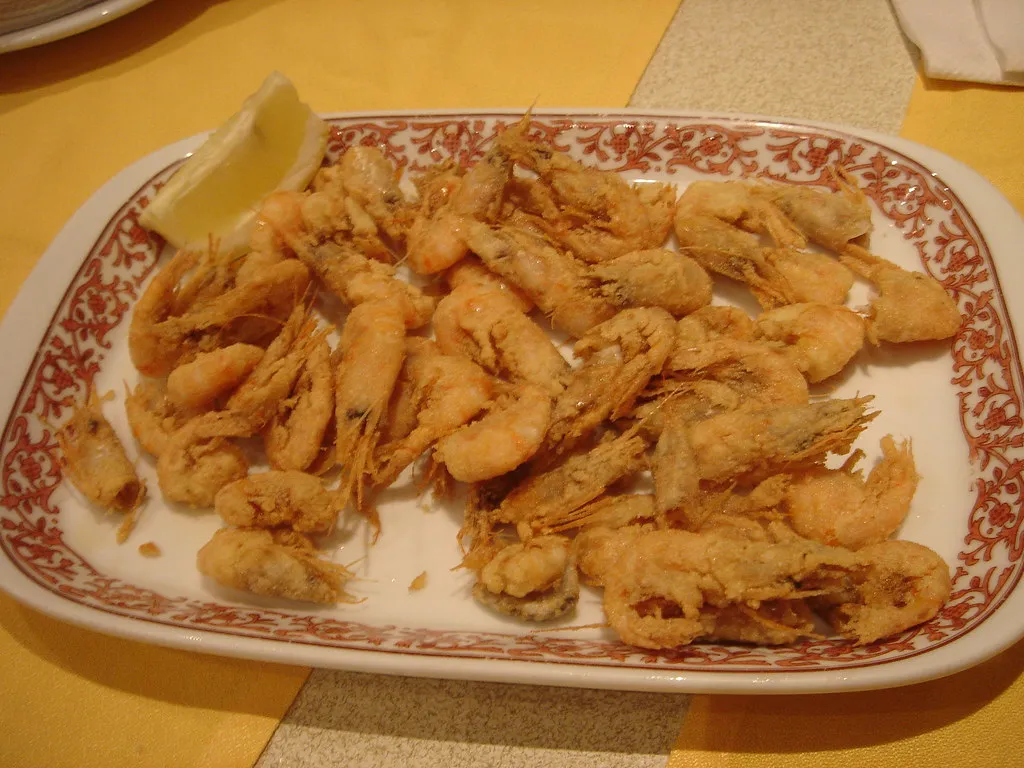
- Pescadito Frito (Fried Fish)
- A popular Andalusian dish featuring various small fish, lightly battered and deep-fried until golden and crispy.
- Often served with a squeeze of lemon, it's a fresh taste of the nearby coast.
- A plate can range from €8–€15, making it a great sharing option for lunch or dinner.
- Head to the Triana neighborhood, especially near the market, for some of the freshest fried fish.
- Salmorejo (Cold Tomato Soup)
- A thicker, creamier version of gazpacho, made with tomatoes, bread, olive oil, garlic, and vinegar, then blended until smooth.
- It's typically garnished with finely diced Ibérico ham and hard-boiled egg.
- A small bowl costs €4–€7, a refreshing starter, especially during Seville's hot summers.
- This dish is a fantastic way to cool down and savor fresh, local produce.
Seville Food Tours: A Culinary Deep Dive
For those who want to delve deeper into Seville's gastronomy, a food tour offers an invaluable experience. These guided excursions provide context, history, and access to hidden culinary gems you might otherwise miss. Food tours typically last 3–4 hours and can cost anywhere from €60–€100 per person, often including multiple tastings. They are an excellent way to gain an insider's perspective on local eating habits and traditions.
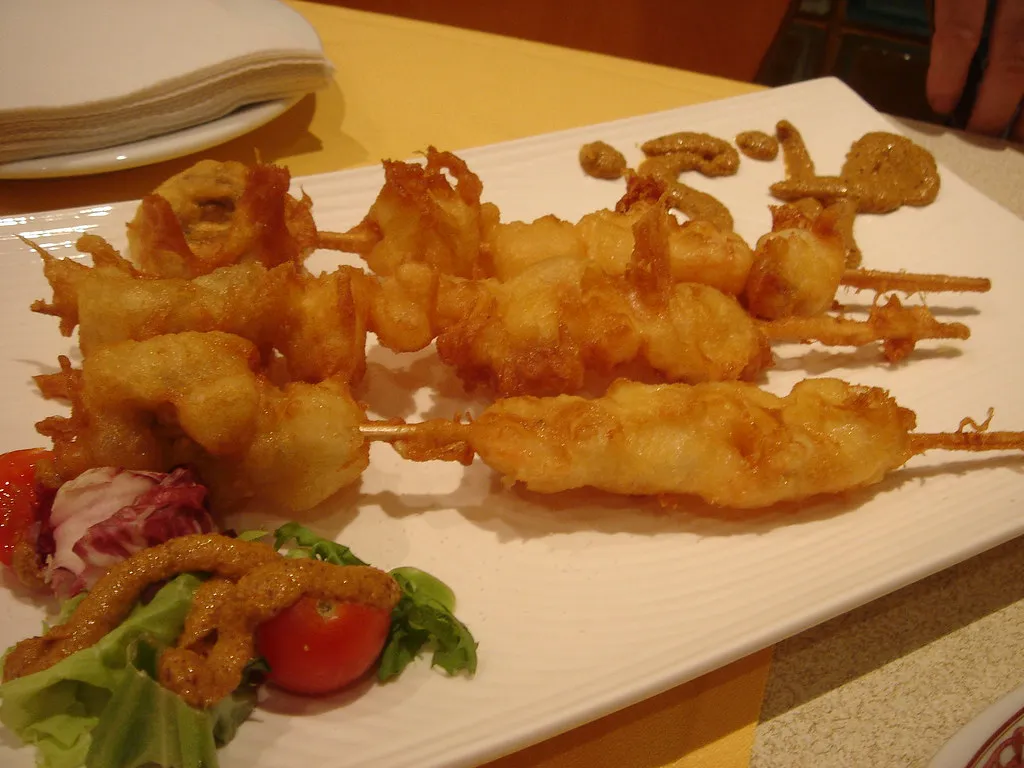
When choosing a food tour, consider what kind of experience you're seeking. Some focus on traditional tapas, while others explore market visits, cooking classes, or even modern gastronomy. Look for tours with small group sizes for a more intimate and personalized experience. Reading recent reviews can also help ensure you're picking a reputable and enjoyable tour operator.
Many tours also incorporate cultural elements, such as historical anecdotes or insights into local life. This adds another layer of appreciation to the food itself, making the experience richer. A good tour guide will not only introduce you to delicious dishes but also teach you how to navigate the local food scene independently. They often share tips on ordering, tipping, and finding the best spots for specific dishes.
Booking a tour early in your trip can be particularly beneficial. It provides an excellent orientation to Seville's food landscape and can inform your dining choices for the rest of your stay. Consider a evening tapas tour for a lively experience, or a morning market tour for a taste of daily life. You can find many reputable options online or through your accommodation.
Essential Drinks to Try in Seville
Beyond the incredible food, Seville boasts a delightful array of beverages that complement its cuisine perfectly. Exploring these drinks is an integral part of understanding the local culture and enjoying your meals. From refreshing summer sips to traditional fortified wines, there's something for every taste. Don't hesitate to ask your server for recommendations; they often have excellent pairings in mind.
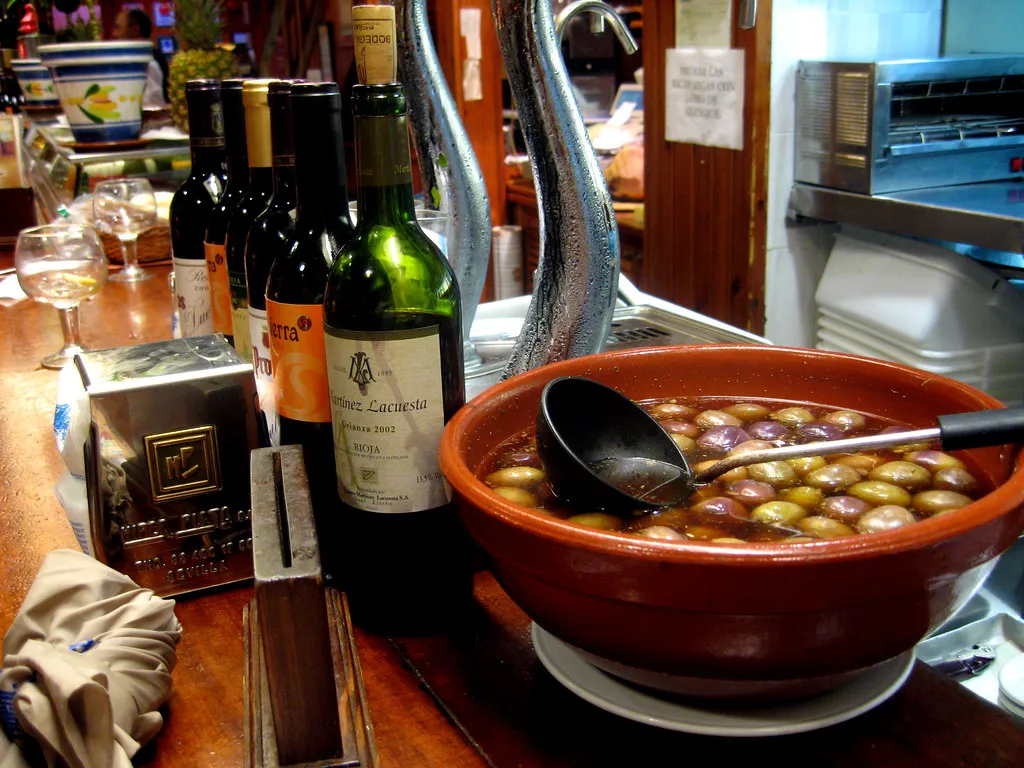
Sherry, or 'Jerez' as it's known locally, is a must-try, especially the dry Fino or Manzanilla varieties. These light, crisp wines are perfect with tapas, particularly seafood and olives. A glass typically costs €2–€4 and is available in most bars and restaurants, served chilled. The region around Jerez de la Frontera, just an hour from Seville, is the heart of sherry production.
For a non-alcoholic option, 'Tinto de Verano' is a refreshing mix of red wine and lemon soda, ideal for hot days. It's lighter and less sweet than sangria, making it a popular local choice. Expect to pay €2.50–€4 for a glass, widely available throughout the city. Another refreshing choice is 'mosto', a non-alcoholic grape juice, often served during harvest season.
Of course, no visit to Spain is complete without sampling local beers. Cruzcampo is the most common local lager, often served 'muy fría' (very cold) in small glasses called 'cañas' for around €2–€3. Craft beer scenes are also emerging in Seville, offering a wider range of styles. For a true local experience, try a 'rebujito' during Feria de Abril, a mix of Manzanilla sherry and lemonade.
Navigating Seville's Tapas Bars: My Favorite Picks
Seville is synonymous with tapas, and navigating the city's countless bars can be an adventure in itself. From bustling traditional taverns to chic modern spots, each offers a unique atmosphere and menu. My personal strategy involves hopping between a few different bars in one evening, trying a couple of dishes at each. This allows for a broader sampling of Seville's incredible culinary diversity.
One consistent favorite is La Brunilda Tapas, known for its creative, high-quality dishes and excellent service. It's a popular spot, so arriving early or making a reservation is highly recommended, especially for dinner. Dishes here typically range from €4–€9 for tapas, and they often have a queue before opening at 8:30 PM. Their bacalao and carrillada are particularly noteworthy.
For a more traditional feel, La Entrañable offers classic Andalusian fare in a cozy setting. It’s a great place to try authentic pringá or espinacas con garbanzos. Tapas here are generally €3–€6, and it's open for both lunch and dinner, often closing for a siesta. The atmosphere is genuinely local, making it a rewarding stop.
Another excellent choice is Duo Tapas, which provides a contemporary twist on classic dishes. It’s located in the lively Alameda de Hércules area, perfect for an evening out. Expect tapas prices around €4–€8, with a bustling evening crowd from 8 PM onwards. Their innovative menu and lively ambiance make it a fantastic dining experience.
Lastly, for riverside views and a slightly more upscale experience, Rio Grande Sevilla offers a beautiful setting. While not strictly a tapas bar, it provides excellent traditional dishes with a view of the Guadalquivir River. Main courses here are €15–€30, and it's open for lunch and dinner, ideal for a special occasion. Their seafood and rice dishes are particularly renowned.
What to Skip: Overrated Bites in Seville
While Seville's culinary landscape is mostly delightful, some dishes or experiences often fall short of expectations, especially for first-time visitors. Being selective can save you time, money, and stomach space for truly authentic and delicious options. One common recommendation that can be underwhelming is generic 'paella' found in tourist-heavy areas. True paella is a Valencian dish, and while some places offer it, it's rarely a Sevillian specialty.
Many tourist restaurants near the Cathedral or Plaza de España will offer 'paella' for individual servings. These often come from frozen or pre-made batches, lacking the fresh ingredients and careful preparation of an authentic paella. Instead, focus on the local rice dishes like 'arroz con marisco' (rice with seafood) if you crave something similar. These will provide a much more genuine and flavorful experience.
Another item to approach with caution is sangria served in large, cheap pitchers at very low prices. Often, these are made with low-quality wine and excessive sugar, masking any real fruit flavor. Opt instead for a glass of high-quality tinto de verano or a freshly made, smaller portion of sangria at a reputable bar. Better yet, explore Seville's excellent local wines and sherries for a more authentic drink.
Avoid places displaying large, laminated menus with pictures of every dish in multiple languages, especially on main thoroughfares. These are often indicators of tourist traps where quality might be sacrificed for convenience. Instead, look for bars filled with locals, where menus might be handwritten or only in Spanish. A little effort in seeking out these spots will be richly rewarded with superior food and atmosphere.
As you plan, our guides to Restaurants in Seville for 2026 and Tapas in Seville cover the rest of the essentials.
Frequently Asked Questions
Which what to eat in seville options fit first-time visitors?
First-time visitors to Seville should prioritize classic tapas like Carrillada de Cerdo, Espinacas con Garbanzos, and Bacalao con Tomate. Don't miss Jamón Ibérico de Bellota for a taste of premium Spanish cured ham. Finish with Churros con Chocolate for a delightful sweet treat.
How much time should you plan for what to eat in seville?
To fully experience Seville's food scene, plan at least three to four days, allowing for multiple tapas crawls and diverse dining experiences. A food tour can condense much of this into a 3-4 hour session. For specific meals, allow 1-2 hours for tapas and 2-3 hours for a sit-down dinner.
What should travelers avoid when planning what to eat in seville?
Travelers should generally avoid generic paella in highly touristy areas, as it's not a Sevillian specialty and often disappoints. Also, be wary of overly cheap, large pitchers of sangria, which can be low quality. Seek out authentic tapas bars filled with locals instead of places with extensive pictorial menus in multiple languages.
Is what to eat in seville worth including on a short itinerary?
Absolutely. Even on a short itinerary, dedicating significant time to exploring Seville's food is essential. The city's culinary identity is deeply intertwined with its culture. Prioritize a tapas crawl in Triana or Alameda de Hércules, and ensure you try a few key dishes like carrillada and jamón ibérico for a rich experience.
Seville's culinary landscape is a vibrant, unforgettable part of its charm, offering an incredible journey for your taste buds. From traditional tapas to innovative modern dishes, the city invites you to savor every moment. Remember to embrace the local pace, enjoy meals with good company, and don't be afraid to try new flavors. Every bite tells a story of Andalusian history and passion.
Whether you're indulging in rich carrillada, refreshing salmorejo, or crispy churros, the food in Seville is sure to leave a lasting impression. Use this guide to explore with confidence, knowing you're tasting the very best the city has to offer. Buen provecho and enjoy your delicious adventure through Seville! For more on planning your trip, consider our guide to Things to Do in Seville, Spain.
You might also like


Continue reading
More guides you'll find useful