

10 Practical Tips for Visiting Granada: A Complete Travel Guide
Master your trip with 10 practical tips for visiting Granada. Includes Alhambra booking hacks, tapas etiquette, transport guides, and neighborhood advice.
On this page
10 Practical Tips for Visiting Granada
Granada sits at the foot of the Sierra Nevada mountains in the heart of southern Spain. This historic city offers a unique blend of Moorish heritage and vibrant modern Spanish culture. Planning a visit requires specific knowledge about booking major sites and navigating steep medieval streets. These practical tips for visiting Granada will help you enjoy a seamless and memorable experience.
The Alhambra sells out months in advance during peak season. Book your tickets at least 90 days ahead through the official portal. The city has steep hills with slippery cobblestones—wear shoes with strong grip.
The city is world-famous for the stunning Alhambra palace complex and its winding historic districts. Many travelers arrive unprepared for the logistical challenges of the local hilly terrain. Learning about local customs like the free tapas tradition can significantly improve your daily budget. This guide covers everything from transport hacks to essential booking timelines for 2026 travelers.
Essential Logistics: Getting to and Around Granada
Granada is well-connected to major Spanish cities by road and rail. Travelers often arrive via the high-speed AVE train or the extensive regional bus network. Learning how to get to Granada efficiently saves both time and money. The train station is centrally located, making it easy to reach most hotels.
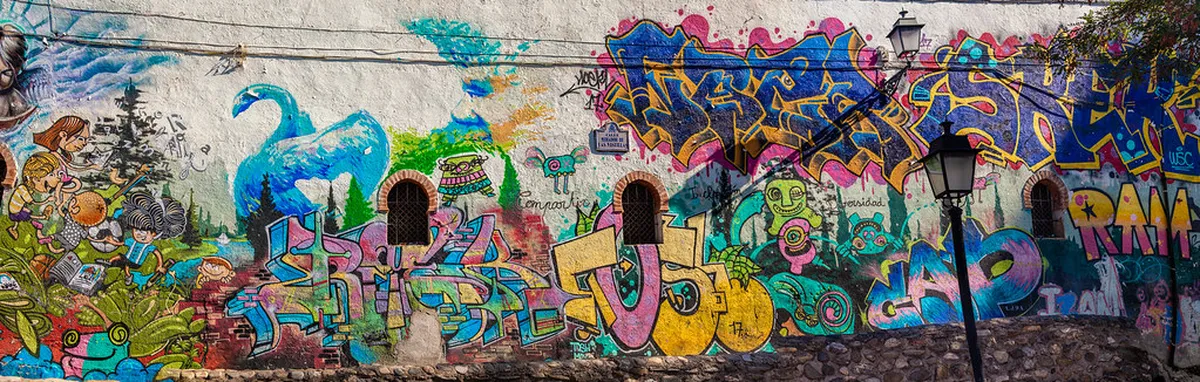
The ALSA Bus (Main transport to Granada) is often the most cost-effective way to travel. Buses arrive at the Estación de Autobuses on the northern edge of the city. You can then take a local taxi or city bus to reach the historic center. Check schedules in advance to secure the best fares for long-distance trips.
Navigating the city center is best done on foot despite the many hills. The narrow streets of the historic quarters are often inaccessible to standard rental cars. Local minibuses known as 'Alhambra Bus' lines serve the steepest areas efficiently. Consider using these red and white buses to save energy when visiting the Albaicín.
Best Time to Visit Granada for Good Weather
Choosing the best time to visit Granada depends on your heat tolerance. Spring and fall offer the most pleasant temperatures for exploring the outdoor monuments. April, May, and October typically feature mild days and cool, refreshing evenings. These months also showcase the Generalife gardens in their full floral bloom.
Summer months like July and August can bring intense heat exceeding 40 degrees Celsius. Many local shops close during the hottest part of the afternoon for a long siesta. If you visit in summer, plan your heavy walking for the early morning hours. Hydration becomes a critical priority when climbing the steep streets of the Sacromonte.
Winter provides a different charm with snow-capped Sierra Nevada mountains in the background. Days are often sunny and crisp, though nights can feel surprisingly cold in the valley. Crowds are much thinner during the winter months, except for the Christmas holiday period. This season is ideal for travelers who prefer a quieter and more relaxed pace.
How Many Days in Granada are Ideal?
Most first-time visitors wonder how many days in Granada are enough for a full experience. A minimum of two full days is necessary to see the main highlights without rushing. This timeframe allows one day for the Alhambra and another for the historic neighborhoods. You will likely feel hurried if you try to see everything in a single day.
Three days is the ideal duration for most travelers to soak in the local atmosphere. An extra day allows for a slower pace and visits to hidden gems like the Cartuja Monastery. You can also spend more time enjoying the famous tapas culture in different districts. A longer stay helps you discover the city beyond the primary tourist trail.
Where to Stay: Best Neighborhoods and Hotels
Selecting the right area is a key part of your where to stay in Granada decision. The Centro district is the most convenient for shopping and proximity to the Cathedral. Many modern hotels and traditional guesthouses are clustered around the Plaza Nueva area. This central location puts you within walking distance of the main bus lines.
The Albaicín offers an atmospheric stay with stunning views of the Alhambra palace. Be prepared for steep climbs and cobblestone paths when booking in this historic quarter. Many boutique hotels here are housed in restored Moorish mansions called cármenes. These properties often feature private gardens and traditional tiled courtyards.
For a unique experience, consider staying in the cave dwellings of the Sacromonte district. These modern cave hotels offer natural climate control and a very quiet environment. They are located further from the center but provide an unforgettable local perspective. Ensure your chosen accommodation has good access to the C34 minibus line.
The Alhambra: Critical Booking and Visiting Tips
Securing tickets for the Alhambra is the most important step in your planning process. Demand is incredibly high and daily entry limits are strictly enforced by monument staff. You should aim to book your entry at least 90 days before your arrival date. Last-minute tickets are rarely available at the gate during the peak travel season.

Use only the Official Alhambra Ticket Portal to ensure you pay the correct face-value price. Third-party resellers often charge significant markups for the same access levels. Always double-check your passport number during the booking process to avoid entry issues. You must bring your physical passport or ID to the entrance for verification.
If the official site is sold out, look into the Granada Card guide for a potential solution. The Granada Card Official Site often has ticket allotments when other sources are empty. This pass also includes entry to the Cathedral, Royal Chapel, and local bus trips. It can be a great value for travelers planning to see multiple major attractions.
Exploring the Albaicín and Sacromonte
The Albaicín Granada walking guide is essential for navigating the oldest neighborhood. This UNESCO World Heritage site is a labyrinth of narrow alleys and white-washed houses. It is very easy to lose your sense of direction in the winding streets. Keep your eyes open for the 'pilares' or historic stone water fountains.
Walking up to the Mirador de San Nicolás is a mandatory activity for every visitor. This viewpoint offers the most famous panoramic vista of the Alhambra and Sierra Nevada. Arrive at least thirty minutes before sunset to secure a good spot on the wall. The atmosphere is often lively with local musicians and street performers.
The Sacromonte district is famous for its traditional cave houses and flamenco heritage. Follow the Camino del Sacromonte to find the best cave museums and performance venues. This area is quite steep and requires a moderate level of physical fitness to explore. Use the C34 bus if you want to avoid the long uphill walk from the center.
Granada’s Unique Tapas Culture: What to Know
Granada remains one of the few places in Spain where free tapas are still standard. You will receive a small plate of food for every alcoholic or soft drink ordered. This tradition makes the city a paradise for budget-conscious foodies and social travelers. The quality and size of these tapas can vary significantly between different establishments.
It is vital to understand the local etiquette when using a Granada free tapas guide for your meals. You do not get to choose your specific tapa in most traditional local bars. The kitchen decides what to serve based on the round of drinks you are enjoying. Dietary restrictions can usually be accommodated if you inform the waiter immediately upon ordering.
Tapas service typically follows the standard Spanish lunch and dinner schedule. Bars are busiest between 1:30 PM and 3:30 PM, then again after 8:30 PM. Arriving early helps you find a seat in the most popular local spots. Don't be afraid to stand at the bar, as this is the most authentic way to eat.
Top Practical Attractions Beyond the Alhambra
The Granada Cathedral and the Royal Chapel are located right in the city center. These monuments house the tombs of the Catholic Monarchs, Isabella and Ferdinand. The architecture represents a transition from Gothic to Renaissance styles in Spain. Allow about two hours to properly tour both of these significant religious buildings.
The Monasterio de la Cartuja is a hidden gem located slightly outside the main center. It features one of the most elaborate Baroque interiors in the entire country. You can reach the monastery easily using the local 8 or U3 bus lines. The quiet atmosphere here provides a nice break from the crowded tourist areas.
Practical Tips for Budgeting and Costs
Granada is generally more affordable than major hubs like Madrid or Barcelona. A typical meal with drinks usually costs between 15 and 25 Euros per person. Public transport is affordable with single bus tickets priced around 1.40 Euros. Many travelers find that 50 to 70 Euros per day covers most basic expenses.
Entry fees for major monuments range from 5 to 19 Euros depending on the site. Booking a combined pass like the Granada Card can reduce your total sightseeing costs. Many museums offer free entry on specific days or during certain afternoon hours. Always check the official websites for the most current pricing and discount eligibility.
Final Practical Checklist for First-Timers
Granada's local schedule is strictly defined by the afternoon siesta period. Many small shops and boutiques close between 2:00 PM and 5:00 PM every day. Plan your shopping and administrative tasks for the morning or late evening hours. Large supermarkets and department stores typically remain open throughout the entire day.
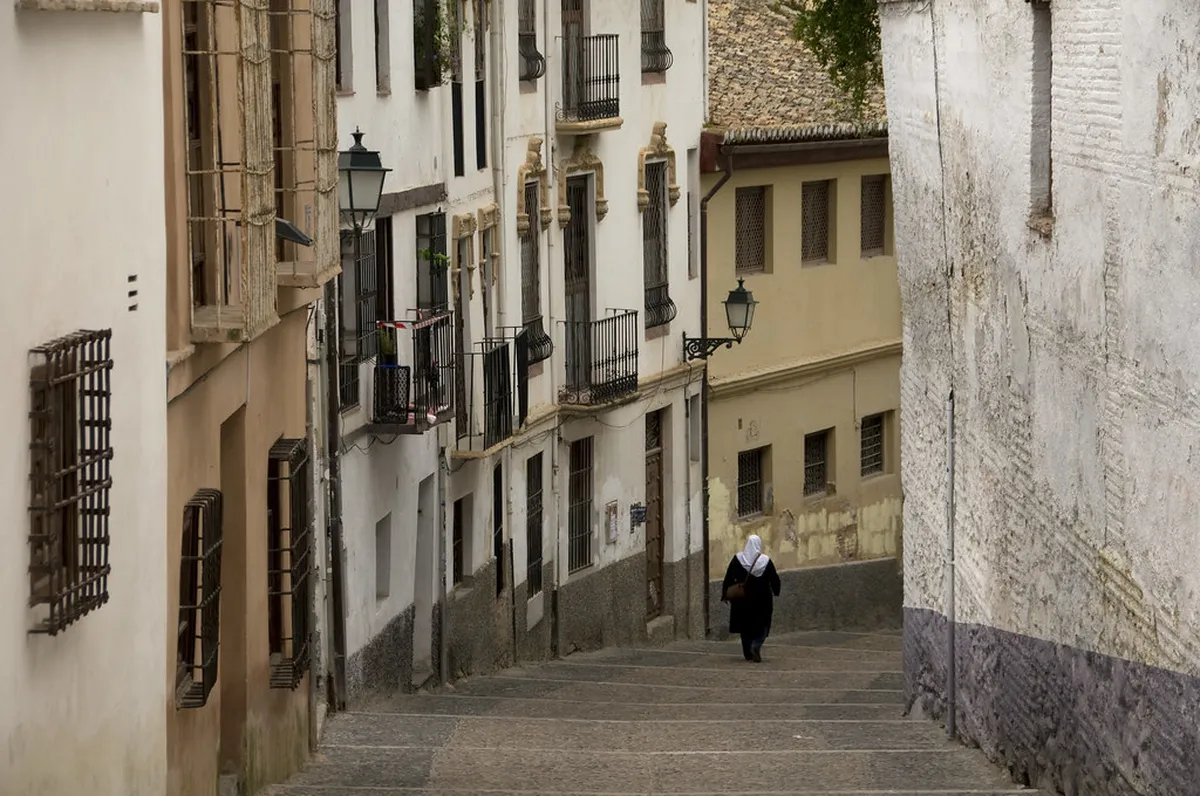
Footwear is the most important item on your packing list for a Granada trip. The 'empedrado' or traditional pebble mosaics in the Albaicín are very slippery. Choose shoes with excellent grip and thick soles to handle the uneven stone surfaces. Standard flat sneakers might not provide enough support for a full day of climbing.
Stay hydrated by using the historic 'pilares' or public drinking fountains found citywide. The water from these stone fountains is cold, fresh, and perfectly safe to drink. Carrying a reusable bottle will save you money and reduce plastic waste during your walks. Locals have used these historic water sources for centuries to beat the summer heat.
- Pack Sturdy Walking Shoes
- Type: High-grip soles
- Reason: Slippery cobblestones
- Tip: Avoid thin flats
- Book Alhambra Early
- Timing: 90 days out
- Source: Official portal
- Requirement: Valid passport
- Use the Minibuses
- Routes: C31 and C32
- Benefit: Avoids steep climbs
- Cost: Approx 1.40 Euro
For the full picture, see our complete things to do in Granada guide.
Frequently Asked Questions
How many days in Granada are enough for a first visit?
Two to three days are ideal for most first-time visitors. This allows one full day for the Alhambra and another to explore the Albaicín and Sacromonte. A third day is perfect for visiting the Cathedral and enjoying the Granada free tapas guide locations at a relaxed pace.
Do you need to book Alhambra tickets in advance?
Yes, booking in advance is absolutely essential for all visitors. Tickets often sell out several months ahead, especially for the Nasrid Palaces. You should use the official ticket portal to secure your entry time as soon as your travel dates are confirmed.
How do free tapas work in Granada?
In Granada, most bars serve a free plate of food with every drink you order. You generally do not choose the specific dish, as the kitchen provides a standard selection. The tapas often become more substantial with each subsequent round of drinks you purchase at the same bar.
Is Granada safe for solo travelers?
Granada is considered a very safe city for solo travelers and tourists. Standard precautions should be taken in crowded areas to avoid pickpockets, especially at major viewpoints. The city is well-lit and remains active late into the night due to the local dining culture.
Granada is a city that rewards those who plan their logistics in advance. Securing your Alhambra tickets early ensures you don't miss the city's crown jewel. Embracing the local pace and tapas traditions will make your visit truly authentic. Use these practical tips to navigate the historic streets with confidence and ease.
You might also like


Continue reading
More guides you'll find useful


