
Best Time to Visit Granada: Seasonal Weather & Travel Guide
Discover the best time to visit Granada, Spain. Our guide covers monthly weather, Alhambra booking tips, Sierra Nevada skiing, and summer festival dates.
On this page
Best Time to Visit Granada
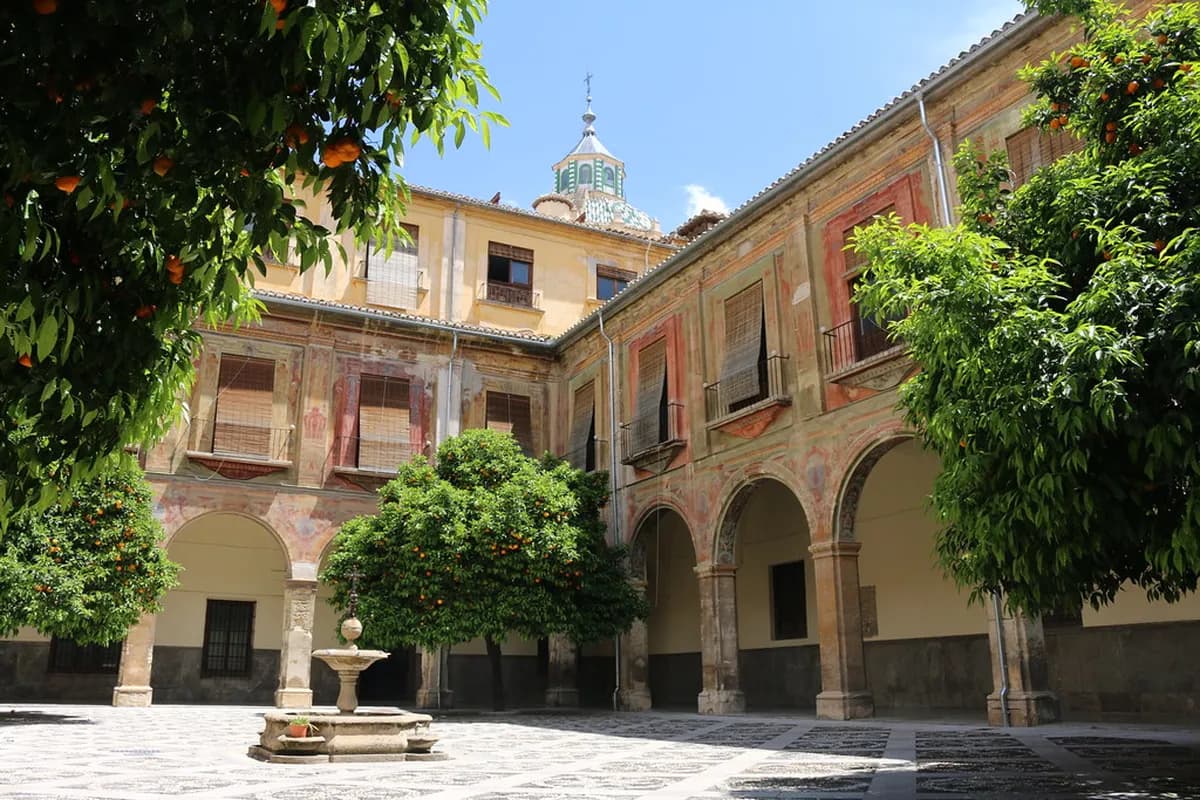
The best time to visit Granada is from mid-May to mid-June for ideal weather. During this window, the gardens of the Alhambra are in full bloom. I visited in late May and the jasmine scents were truly incredible. Updated October 2023 from my spring 2023 visit to this historic city.
Late spring and early fall are the sweet spots for most travelers. September and October offer mild days and very comfortable walking conditions. You should avoid the peak summer heat if you dislike intense sun. This guide helps you choose the right dates for your Spanish adventure.
Granada sits at the base of the high Sierra Nevada mountains. This location creates a unique climate with sharp temperature changes every day. Choosing the right month ensures you enjoy the city's famous outdoor culture. Check our Granada weather by month guide for more specific data.
Granada Weather and Crowds: An Overview
The Granada Spain climate is characterized by hot summers and cool winters. Temperatures often range from 2°C in winter to 35°C in summer months. In Fahrenheit, this is roughly 35°F to over 95°F throughout the year. According to Granada Weather Averages, July is the driest month.
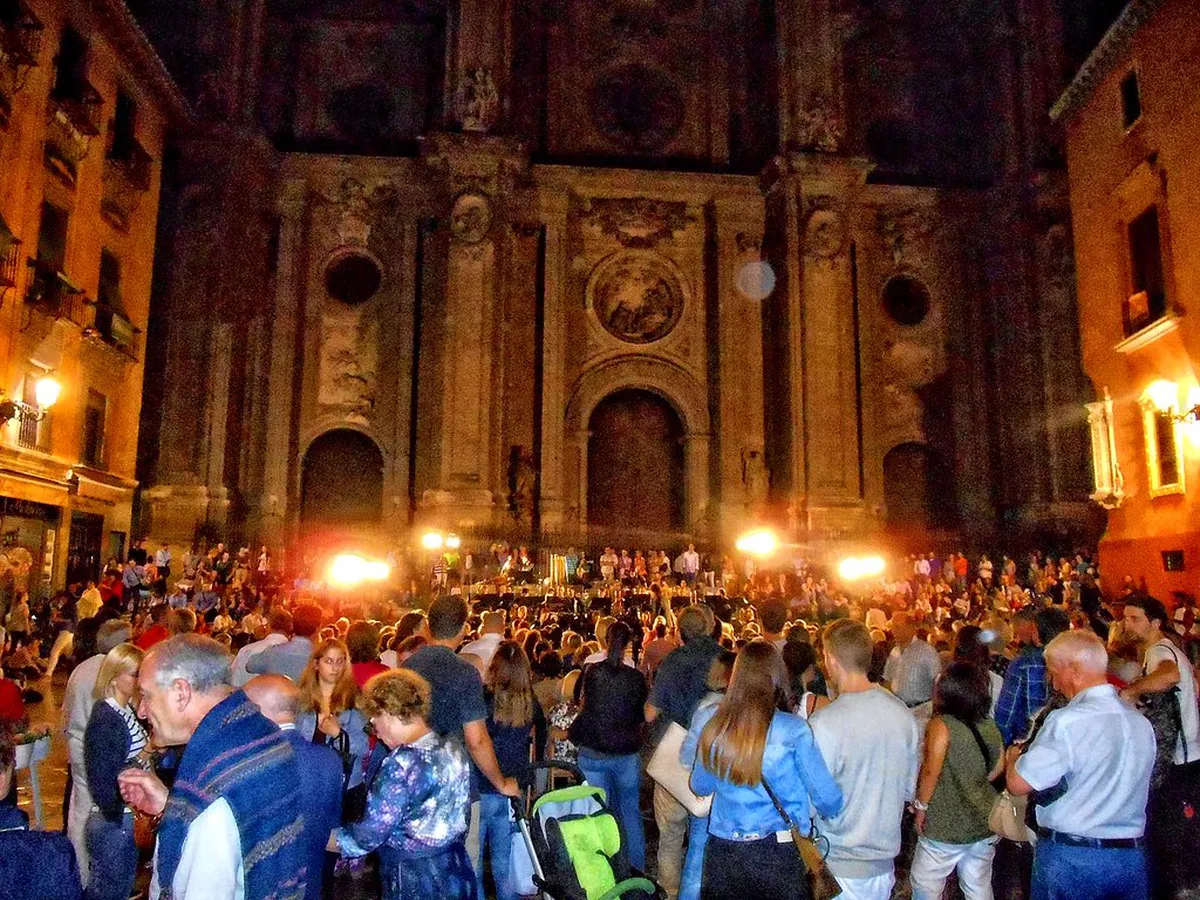
Spring and autumn attract the largest crowds to the historic center. Finding where to stay in Granada requires early booking during these peaks. Crowd levels are lowest in January and February when it is cold. Most visitors come to see the Alhambra during the mild shoulder seasons.
The city experiences a dry heat that feels very intense in July. Winter nights can be surprisingly chilly due to the mountain air nearby. Expect significant temperature swings between noon and midnight in all seasons. This variation is a key regional weather quirk for all visitors.
Season Comparison
Comparing seasons helps you balance your budget with your comfort levels. Spring offers the best visuals but comes with the highest price tags. Winter is affordable but requires more planning for the colder mountain air. Summer demands a slower pace to survive the afternoon sun safely.
Each season brings a different energy to the local plazas and bars. Local life moves indoors during winter and outdoors during the long summers. You will find different tapas specialties depending on the current month. Review the table below to see which window fits your needs.
| Season | Weather | Crowds | Prices | Events | Best for |
|---|---|---|---|---|---|
| Spring (Mar-May) | 10-24°C / 50-75°F | High | High | Semana Santa | Gardens |
| Summer (Jun-Aug) | 18-35°C / 64-95°F | Medium | Medium | Corpus Christi | Festivals |
| Fall (Sep-Nov) | 12-28°C / 54-82°F | Medium | Medium | Film Festivals | Sightseeing |
| Winter (Dec-Feb) | 2-13°C / 35-55°F | Low | Low | Christmas | Skiing |
Spring in Granada: The Peak Experience
Spring is widely considered the best time to visit Granada by experts. The Generalife gardens within the Alhambra complex are at their most vibrant. Expect temperatures between 10–24°C / 50s to mid-70s°F during these pleasant months. Our Alhambra guide suggests booking tickets three months in advance.
Semana Santa is a major highlight that brings the streets to life. Religious processions wind through the narrow streets of the Albaicin neighborhood. The atmosphere is electric but the city becomes very crowded and expensive. Check Festivals and Holidays in Granada for exact yearly dates.
Late May is my favorite time because the jasmine starts to bloom. The evening air smells wonderful as you walk through the historic quarters. You should prepare for occasional spring showers during the month of April. Rainfall is usually brief but can make the cobblestones quite slippery.
Summer in Granada: Festivals and Heat Management
Summer in Granada can be extremely hot with temperatures exceeding 35°C / 95°F. Most locals take a siesta during the hottest part of the afternoon. The city feels quieter at midday as people hide from the sun. You should plan your sightseeing for the early morning or late evening.
Corpus Christi is the biggest summer fair and lasts for an entire week. The city fills with casetas, traditional music, and vibrant flamenco dancing displays. It is a fantastic time to experience the Granada free tapas guide culture. For more event details, visit Cultural Events and Fairs.
The International Festival of Music and Dance happens in late June. Performances take place in stunning historic venues like the Alhambra palace. This is a high-culture moment that attracts many international visitors annually. Tickets for these exclusive events often sell out many months in advance.
Autumn in Granada: Mild Weather and Harvest Vibes
September marks the return of cooler temperatures and a relaxed local pace. The extreme summer heat fades, leaving perfect days for walking the Albaicin. Average highs sit around 28°C / 82°F in the first half of September. This is an excellent time for a Seville to Granada day trip.
October brings beautiful autumn colors to the forests surrounding the Alhambra hill. The air becomes crisp and the evening light is perfect for photography. Crowds are thinner than in spring, making it easier to find dinner tables. It is a great season for exploring the many Granada hidden gems.
November is one of the rainiest months according to historical climate data. However, the rain often comes in short bursts rather than long storms. You will find the city much quieter and more authentic during this time. Prices for accommodation drop significantly as the winter season slowly approaches.
Winter in Granada: Skiing and Christmas Magic
Winter is a unique time because you can ski and sightsee. The Sierra Nevada ski season usually runs from December through mid-April. You can enjoy the snow in the morning and tapas in town. There are many things to do in Granada during the winter.
Christmas markets and festive lights brighten the city center in late December. The local tradition of eating churros and chocolate is perfect for winter. Daytime temperatures average 13°C / 55°F, which feels warm in the sun. Nightly lows can drop to 2°C / 35°F, so bring a heavy coat.
January is the coldest month but offers the lowest prices of the year. You can often find great deals on hotels near the main cathedral. For visiting hours, check the Granada Cathedral Visiting Info website. The city feels very cozy and local during these quieter winter months.
Pick X If
Choosing the right time depends on your personal travel style and goals. Some people prioritize perfect weather while others want to save money. Granada offers something different for every type of visitor throughout the year. Use these simple rules to help narrow down your travel dates.
- Pick spring if you want flowers
- Vibrant gardens and mild days
- Pick winter if you want skiing
- Snow sports and lower prices
- Pick summer if you want festivals
- Corpus Christi and lively nights
- Pick autumn if you want peace
- Fewer crowds and soft light
What to Pack
Packing correctly is essential due to the dramatic daily temperature changes. Even in summer, the desert-like air can cool down quickly after sunset. Granada is a city built for walking, so prioritize your comfort always. Follow these practical tips for visiting Granada when preparing your suitcase.
- Sturdy walking shoes with grip
- Essential for steep cobblestone streets
- Light layers for all seasons
- Manage the morning and evening shifts
- Sun protection and a hat
- Crucial for the intense Andalusian sun
- A warm coat for winter
- Mountain air makes nights very cold
What's Closed in Low Season
While Granada is a year-round city, some things do change seasonally. High-altitude hiking trails in the Sierra Nevada close during the winter months. Snow makes many mountain roads impassable for standard rental cars from December. Always check local conditions before planning a drive into the peaks.
Certain seasonal outdoor terraces in the Albaicin shut down in January. Many smaller restaurants take a break during the first weeks of November. The water fountains in some public parks may be turned off. These minor closures rarely impact the main tourist attractions like palaces.
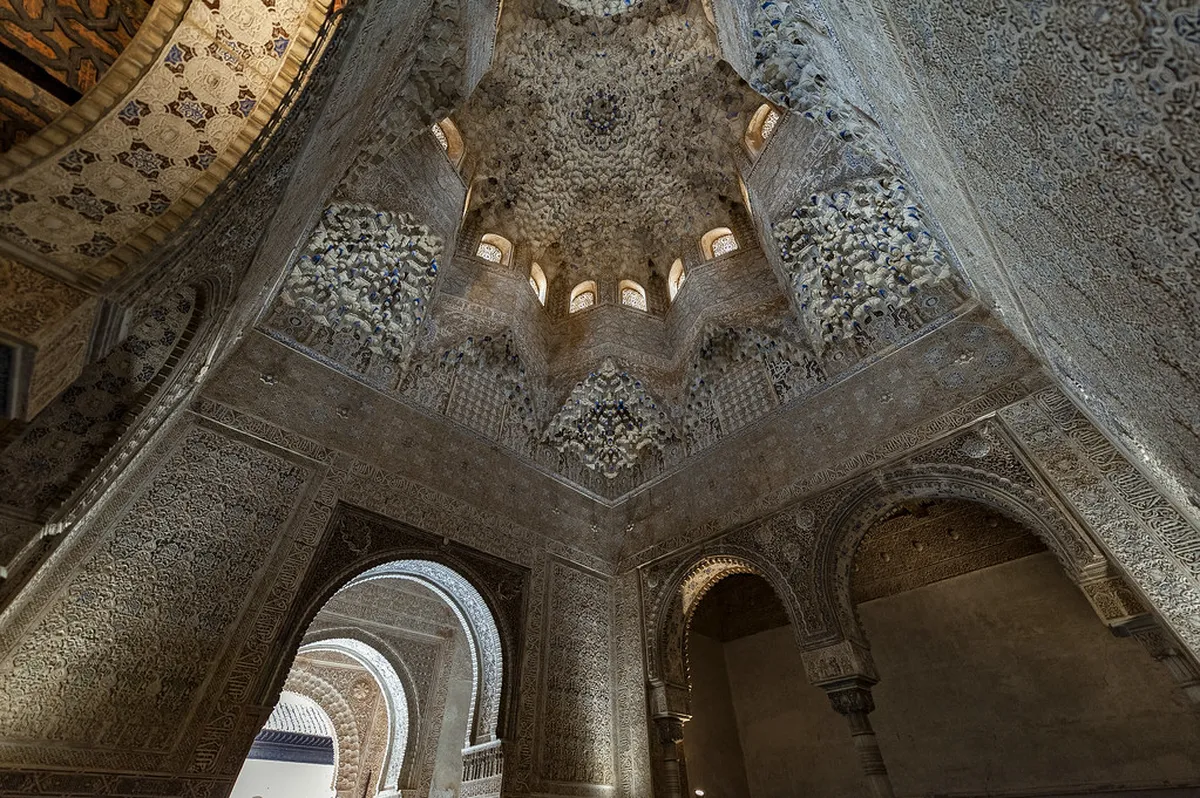
Some smaller museums might have shorter opening hours during the winter. The Granada festivals and events calendar is also quieter in mid-winter. However, the Alhambra and the Cathedral remain open to the public daily. Plan your visit around these major landmarks for a successful trip.
Frequently Asked Questions
What is the hottest month in Granada?
July is the hottest month in Granada. Temperatures frequently rise above 35°C / 95°F during the day. The air is very dry and the sun is intense.
Is winter a good time to visit Granada?
Winter is excellent for budget travelers and skiers. You will find fewer crowds and lower hotel prices. Daytime weather is often sunny and clear.
When should I book Alhambra tickets?
You should book tickets at least three months in advance. This is especially important for spring and autumn visits. Tickets sell out very quickly year-round.
Granada is a magical destination regardless of when you choose to go. Spring offers the most beauty while winter provides the best value. I recommend the shoulder seasons for the most balanced experience. The combination of history and mountain views is always worth seeing.
Make sure to plan your Alhambra visit well before you arrive. Use this guide to match the weather with your favorite activities. Enjoy the incredible tapas and the historic streets of this Spanish gem. Your trip to Granada will be a highlight of your travels.
You might also like


Continue reading
More guides you'll find useful


