Triana Seville Guide Travel Guide
Plan triana seville guide with top picks, neighborhood context, timing tips, and practical booking advice for a smoother trip.
On this page
Triana Seville Guide
Welcome to Triana, Seville's vibrant and historic neighborhood across the Guadalquivir River. This guide will help you discover its unique charm and rich cultural heritage. Triana offers a distinct atmosphere, different from the city center.
Known for its flamenco, ceramics, and maritime past, Triana provides an authentic Seville experience. You can explore its lively streets and traditional markets. This area is perfect for travelers seeking a deeper connection with local life.
Our comprehensive triana seville guide covers everything from must-see attractions to practical planning tips. Prepare to immerse yourself in the heart of Seville's most traditional barrio. You will find valuable insights for a memorable visit here.
Plan with trusted sources: cross-check opening hours and seasonal details with the official Seville tourism office, and read more background and history on its Wikipedia entry before you go.
Must-See Triana Attractions
Triana boasts several iconic sights that truly define its character. Start your exploration at the famous Triana Bridge, also known as Isabel II Bridge. This historic bridge connects Triana to the main part of Seville.
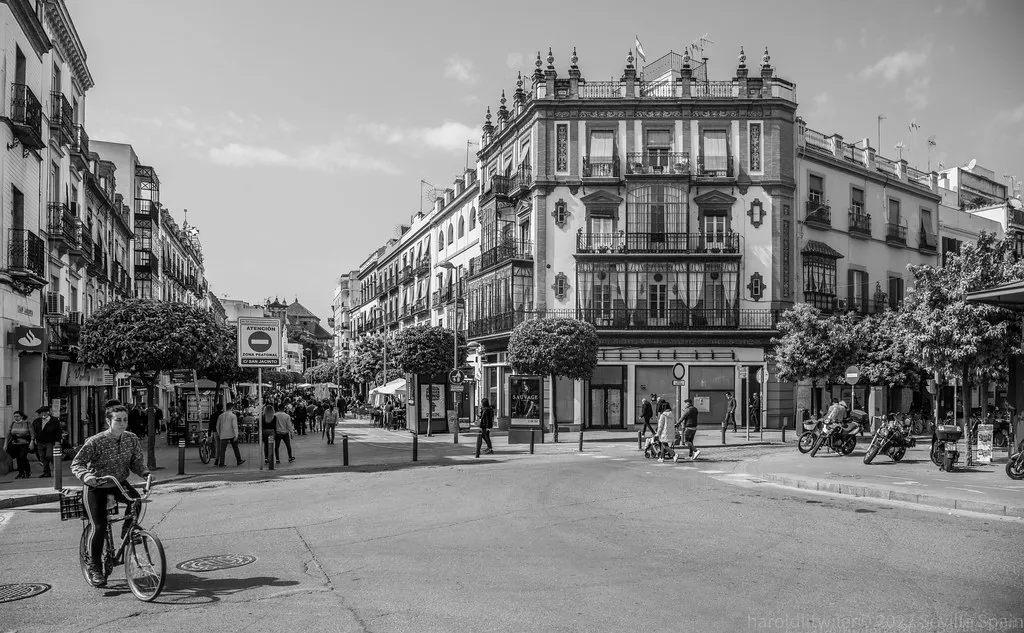
Crossing the bridge offers wonderful views of the river and city skyline. It is a perfect spot for photos, especially at sunset. The bridge itself is an architectural marvel from the 19th century.
The Mercado de Triana sits right at the foot of the bridge. This bustling market is built over the ruins of Castillo de San Jorge. Here, you can find fresh produce, local delicacies, and vibrant daily life. Explore the market for a true taste of Triana. You can also discover small eateries within its walls.
Don't miss the Centro Cerámica de Triana, a museum dedicated to the neighborhood's ceramic heritage. It showcases traditional pottery and its historical significance. This center provides a fascinating look into Triana's artistic past. You can also find beautiful ceramic pieces for sale here.
Museums, Art, and Culture in Triana
Triana is a cradle of flamenco and ceramic artistry, offering deep cultural experiences. The Centro Cerámica de Triana is a must-visit for art enthusiasts. It highlights the neighborhood's long history with pottery and tiles.
You can explore the museum's exhibits to understand the traditional craft processes. Workshops are sometimes available for those interested in hands-on learning. Check their official website for current schedules and entry fees.
Beyond ceramics, Triana is synonymous with flamenco. Many small, intimate venues (tablaos) offer authentic flamenco shows. These performances provide a powerful glimpse into Andalusian culture. Seek out local recommendations for the best experiences.
While not a museum, the Capilla de los Marineros houses the revered Virgen de la Esperanza de Triana. This chapel is a significant religious site for the local community. It is particularly important during Semana Santa. Visitors can respectfully observe its beautiful interior and learn about its history.
Parks, Gardens, and Outdoor Spots in Triana
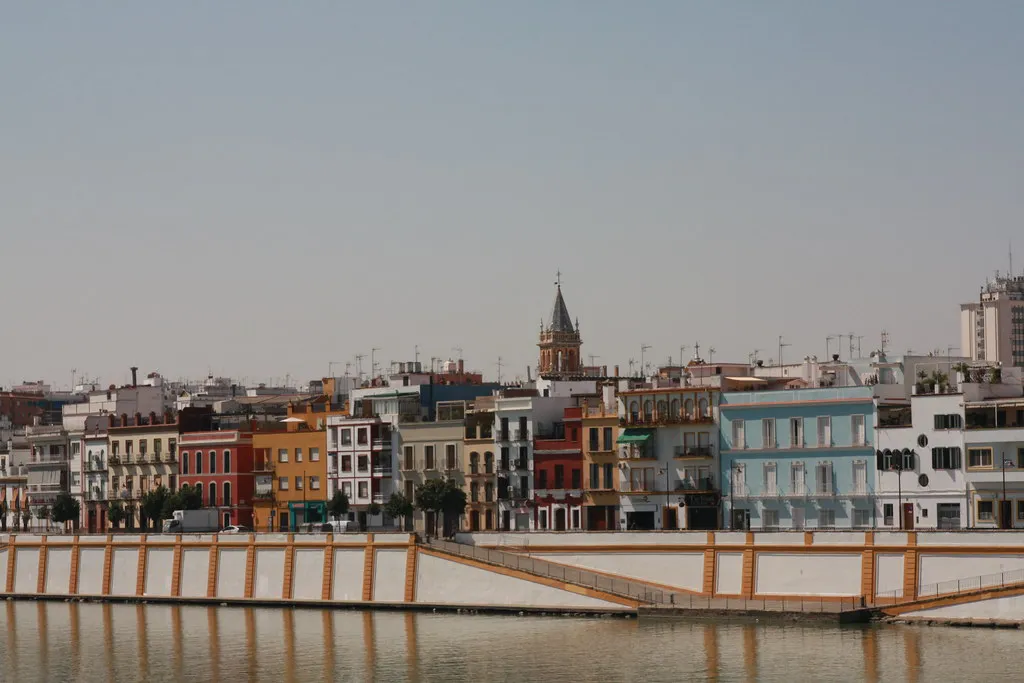
While Triana is known for its urban charm, it also offers pleasant outdoor spaces. The banks of the Guadalquivir River provide lovely areas for a stroll. You can enjoy scenic views of Seville's skyline from the Triana side.
Paseo de la O is a riverside promenade perfect for a leisurely walk. It offers benches and shade, ideal for relaxing after exploring. This area is especially vibrant in the evenings. Many locals gather here to socialize.
Plaza del Altozano is the bustling heart of Triana, located at the foot of the bridge. It is a lively square where street artists often perform. You can sit at a cafe and watch the world go by. This plaza is a great starting point for further exploration.
For a quieter escape, explore the smaller plazas hidden within Triana's winding streets. These charming squares often feature orange trees and benches. They offer a peaceful retreat from the main thoroughfares. Discovering these hidden gems adds to Triana's appeal.
Family-Friendly and Budget-Friendly Options in Triana
Triana offers many activities that won't break the bank and are fun for all ages. Exploring the Mercado de Triana is a fantastic free activity. Children will enjoy the sights, sounds, and smells of the bustling market.
Picnics along the Guadalquivir River are a budget-friendly way to enjoy the scenery. Grab some fresh bread, cheese, and olives from the market. Then find a spot on the riverbank for a relaxing meal.
Walking across the Isabel II Bridge and along the Paseo de la O costs nothing. It provides excellent views and a chance to experience local life. This stroll is a simple yet rewarding outdoor activity. You can find more free things to do in Seville throughout your visit.
Visiting the Capilla de los Marineros or Parroquia de Santa Ana is also free. These beautiful churches offer cultural insight without an admission fee. Remember to be respectful of their religious significance. Check for any specific visiting hours beforehand.
How to Plan a Smooth Triana Attractions Day
Planning your day in Triana can help maximize your experience and avoid stress. Start your morning at the Mercado de Triana to experience its vibrant energy. Many stalls open early, offering fresh breakfast options.
Consider visiting the Centro Cerámica de Triana before lunch. This museum is usually less crowded in the late morning. Allow about 1-2 hours for a thorough visit. Afterward, explore the surrounding ceramic shops.
For lunch, enjoy tapas at one of Triana's traditional taverns. Many authentic eateries are found on Calle Betis or near Plaza del Altozano. Afternoon siestas are common, so plan for some places to close. Afternoons are also good for a relaxed stroll along the river.
Evenings in Triana are perfect for experiencing flamenco. Book your show in advance, especially on weekends. Many shows start around 8 or 9 PM. Conclude your day with dinner at a local restaurant. Triana has some of the Restaurants in Seville for 2026 (Local Picks).
Things to Do in Triana, Seville
Triana offers a rich tapestry of activities, from historical exploration to vibrant nightlife. Begin by crossing the iconic Isabel II Bridge. This bridge provides stunning views of the Guadalquivir River.
Explore the lively Mercado de Triana, where you can sample local produce and traditional snacks. Below the market, visit the remnants of Castillo de San Jorge. This site was once the seat of the Spanish Inquisition.
Wander through the ceramic shops along Calle Alfarería and Calle Antillanos. These streets showcase Triana's deep connection to pottery. You can find unique handcrafted souvenirs here. The hidden gems of Seville often include these artisan workshops.
Experience an authentic flamenco show in one of Triana's intimate venues. This neighborhood is considered the birthplace of flamenco. Many local bars offer nightly performances. Consider booking in advance for popular shows. For a broader look at the city, check out other things to do in Seville.
- Cross the Triana Bridge (Isabel II Bridge)
- View: Panoramic city views
- Best for: Photos, romantic strolls
- Time: Anytime, especially sunset
- Cost: Free
- Explore the Mercado de Triana
- What: Food market, artisan stalls
- Best for: Local flavors, fresh produce
- Where: Plaza del Altozano
- Cost: Free entry, pay for purchases
- Visit Centro Cerámica de Triana
- What: Ceramic museum
- Best for: Art, history, local crafts
- Where: Calle Antillanos Campos 14
- Cost: Small entry fee
- See the Castillo de San Jorge
- What: Inquisition museum, ruins
- Best for: History buffs
- Where: Under Mercado de Triana
- Cost: Free
- Discover Parroquia de Santa Ana
- What: Historic church
- Best for: Architecture, religious art
- Where: Calle Pureza 1
- Cost: Free entry
- Enjoy a Flamenco Show
- What: Live performance
- Best for: Authentic culture
- Where: Various tablaos in Triana
- Cost: Varies by venue, book ahead
- Stroll along Calle Betis
- What: Riverside street
- Best for: Views, dining, nightlife
- Where: Along Guadalquivir River
- Cost: Free, pay for food/drinks
Post navigation
After exploring Triana, you might be looking for your next adventure in Seville or beyond. This section helps you navigate further travel plans. You can easily find related content and useful resources here.
Consider extending your stay in Seville by exploring other fascinating neighborhoods. The Seville Neighborhoods Guide for 2026 offers detailed insights into areas like Santa Cruz. Each district presents its own unique atmosphere and attractions.
If you're planning a longer trip, Seville makes an excellent base for day trips. You could visit nearby cities like Cordoba or Ronda. Our 10 Unforgettable Day Trips from Seville guide provides many ideas. This helps you make the most of your time in Andalusia.
For practical information on getting around Seville, consult our dedicated guide. Understanding public transport options can save you time and effort. Knowing the best ways to get around Seville ensures a smoother journey. This will help you reach your next destination easily.
A Little History of the Triana District (Barrio de Triana)
Triana boasts a captivating history, distinct from central Seville. Historically, it was a working-class neighborhood, home to sailors, potters, and flamenco artists. Its location across the river gave it a unique, independent spirit.
The area was once outside the city walls, fostering a strong sense of community identity. It was also a significant port during the Age of Exploration. Many famous explorers departed from its shores. This maritime heritage is still evident today.
The Castillo de San Jorge, beneath the Triana Market, served as the headquarters of the Spanish Inquisition. This dark chapter of history adds a somber layer to Triana's past. You can visit its interpretive center to learn more. This site offers a sobering glimpse into medieval justice.
Triana's ceramic tradition dates back centuries, fueled by its clay-rich soil. The neighborhood became a hub for pottery production, supplying tiles across Seville. This legacy continues with numerous artisan workshops. The Centro Cerámica de Triana celebrates this enduring craft. See the tourist map of Triana for historical points of interest here.
What you should know about Sevilla’s Triana neighbourhood before visiting
Before you visit Triana, understanding a few key aspects can enhance your trip. Triana is best explored on foot, so wear comfortable shoes. The streets are narrow and often cobbled, adding to its charm.
Unlike the more tourist-centric Barrio Santa Cruz, Triana feels more authentic and local. You will find fewer souvenir shops and more everyday businesses. This offers a genuine glimpse into Sevillian life. Be prepared for a less polished, but more real, experience.
Many traditional shops and eateries observe siesta hours, typically from 2 PM to 5 PM. Plan your shopping and dining accordingly to avoid disappointment. Evenings come alive with tapas and flamenco. This makes it a great time for cultural immersion.
While generally safe, like any busy area, be mindful of your belongings. Public transport connects Triana well to other parts of Seville. Buses and taxis are readily available, especially around Plaza del Altozano. Consider an afternoon visit for a quieter experience, then stay for the evening atmosphere.
What to do and see at Barrio de Triana, Sevilla
Barrio de Triana offers a captivating array of sights and activities for every traveler. Start your journey by walking across the iconic Isabel II Bridge. This bridge provides stunning views of the Guadalquivir River and Seville's skyline.
Immerse yourself in the bustling atmosphere of the Mercado de Triana. Here, you can sample local delicacies and buy fresh produce. Below the market, explore the historical remnants of Castillo de San Jorge. This former Inquisition castle now houses a museum.
Discover Triana's ceramic heritage at the Centro Cerámica de Triana. This museum showcases the neighborhood's long history with pottery. You can also browse the artisan shops along Calle Alfarería for unique souvenirs. These shops continue the traditional craft.
Visit the beautiful Parroquia de Santa Ana, one of Seville's oldest churches. Its stunning architecture and religious art are truly impressive. In the evening, experience an authentic flamenco show in a local tablao. Triana is known as a heartland of flamenco music. You can also enjoy tapas and drinks along Calle Betis. This street offers picturesque riverside views.
Frequently Asked Questions
Why Visit Triana?
Visit Triana for an authentic slice of Sevillian culture, distinct from the main tourist areas. It offers rich history, vibrant flamenco, and a strong sense of local community. You can explore traditional ceramic workshops and enjoy genuine tapas bars. Its unique atmosphere provides a deeper understanding of Seville's heritage.
Which triana seville guide options fit first-time visitors?
First-time visitors should prioritize the Mercado de Triana, Isabel II Bridge, and Centro Cerámica de Triana. These sites offer a great introduction to the neighborhood's history and culture. Enjoy a flamenco show in the evening for a complete experience. Our Seville 3-day itinerary can help integrate Triana into a broader trip.
How much time should you plan for triana seville guide?
Plan at least half a day to explore Triana thoroughly, ideally an afternoon leading into the evening. This allows time for market visits, museum exploration, and a leisurely riverside stroll. You can then enjoy tapas and a flamenco show. A full day lets you delve deeper into its artisan shops and hidden corners.
What should travelers avoid when planning triana seville guide?
Avoid rushing your visit to Triana; it is best enjoyed at a relaxed pace. Don't limit yourself to just the main streets; explore the smaller alleys for hidden gems. Also, avoid eating only in tourist traps near the bridge. Seek out local bars and restaurants for authentic experiences. Always check opening hours, especially during siesta.
Triana offers a truly authentic and enriching experience for any visitor to Seville. Its rich history, vibrant culture, and welcoming atmosphere make it a must-visit neighborhood. You will leave with a deeper appreciation for Sevillian traditions.
From exploring historic sites to savoring local cuisine, Triana provides countless memorable moments. Plan your visit to immerse yourself fully in its unique charm. This guide will help ensure a smooth and enjoyable trip.
Whether you seek flamenco, ceramics, or simply local life, Triana delivers an unforgettable adventure. We hope this triana seville guide helps you discover the magic across the bridge. Enjoy every moment of your exploration.
You might also like


Continue reading
More guides you'll find useful