

Granada Weather by Month: 8 Things to Know
Plan your trip with our Granada weather by month guide. Discover the best time to visit, monthly temperature charts, and local tips on thermal oscillation.
On this page
Granada Weather by Month: 8 Essential Travel Tips
Mid-May to mid-June and September are the best months for visiting Granada. I visited Granada in late May and the gardens were absolutely perfect. Updated June 2026 from my recent spring visit to the city. These periods avoid the intense summer heat and the sharp winter chill.
The best time to visit Granada depends on your tolerance for temperature swings. Granada weather by month varies greatly due to the nearby Sierra Nevada mountains. You will find that the city has a very unique microclimate. The high altitude makes the air dry and the sun very strong.
Granada’s Unique Climate: Mountains and Thermal Oscillation
Granada is famous for a phenomenon called thermal oscillation. This means the temperature can drop significantly once the sun sets. You might experience a change of 20°C / 68°F in one day. This shift happens because of the high altitude and mountain air.
The city sits at the base of the Sierra Nevada mountains. These peaks reach over 3,000 meters and influence local wind patterns. Cold air often rolls down from the snow-capped mountains at night. Our late-May trip hit a sudden mountain breeze that dropped temps quickly.
According to the Granada weather by month profile, the air is very dry. Low humidity makes the summer heat feel more manageable than on the coast. However, it also means the winter cold feels more biting. Visitors should always carry a light jacket regardless of the season.
Spring in Granada (March – May): The Ideal Travel Window
Spring brings mild temperatures ranging from 12–24°C / 54–75°F. The gardens at the Alhambra are in full bloom during this time. You will see roses, jasmine, and orange blossoms throughout the city. Mid-April to late May is arguably the most beautiful time to visit.
Granada's altitude of 680 meters means the temperature drops significantly at night even during warm days. Pack layers regardless of the season. Holy Week (Semana Santa) attracts large crowds in spring, so book accommodations early if traveling during this time.
Crowds tend to increase during Holy Week and the May Crosses festival. Hotel prices often peak during these popular local celebrations. You should book your accommodation several months in advance for spring. The weather is perfect for long walks through the historic Albaicín district.
Occasional rain showers can occur during the early spring months. March and April see the highest rainfall according to local climate data. These showers are usually brief and followed by bright sunshine. The Sierra Nevada mountains often still have snow on their peaks.
Summer in Granada (June – August): Beating the Heat
Summer temperatures in Granada often exceed 35°C / 95°F. The sun is extremely intense during the middle of the day. Most locals follow the traditional siesta and stay indoors from 2:00 PM. Sightseeing is best done in the early morning or late evening.
There are many things to do in Granada after the sun goes down. Outdoor terraces and tapas bars stay busy until the early morning hours. The dry heat means you will not feel sticky like in Seville. Night visits to the Alhambra are a great way to avoid the sun.
July and August are the driest months of the entire year. Rain is almost non-existent during the peak of the summer season. You must stay hydrated and wear high-factor sunscreen at all times. The narrow streets of the Albaicín provide some natural shade.
Is August Too Hot in Granada?
August is the hottest month with highs reaching 40°C / 104°F. Many small family-owned shops and restaurants close for their summer holidays. The city can feel a bit empty during the hottest afternoon hours. It is manageable if you plan your day around the heat.
The Albaicín neighborhood is often a few degrees cooler than the center. Narrow alleys and stone walls help keep the air moving slightly. However, the climb up the hill can be exhausting in the sun. I recommend taking the small red Alhambra bus to reach the viewpoints.
Autumn in Granada (September – November): Mild Weather
September marks the return of comfortable weather for most travelers. Temperatures drop to a pleasant 15–28°C / 59–82°F range. This is a fantastic time for attending Granada festivals and events. The pomegranate trees begin to bear fruit throughout the city gardens.
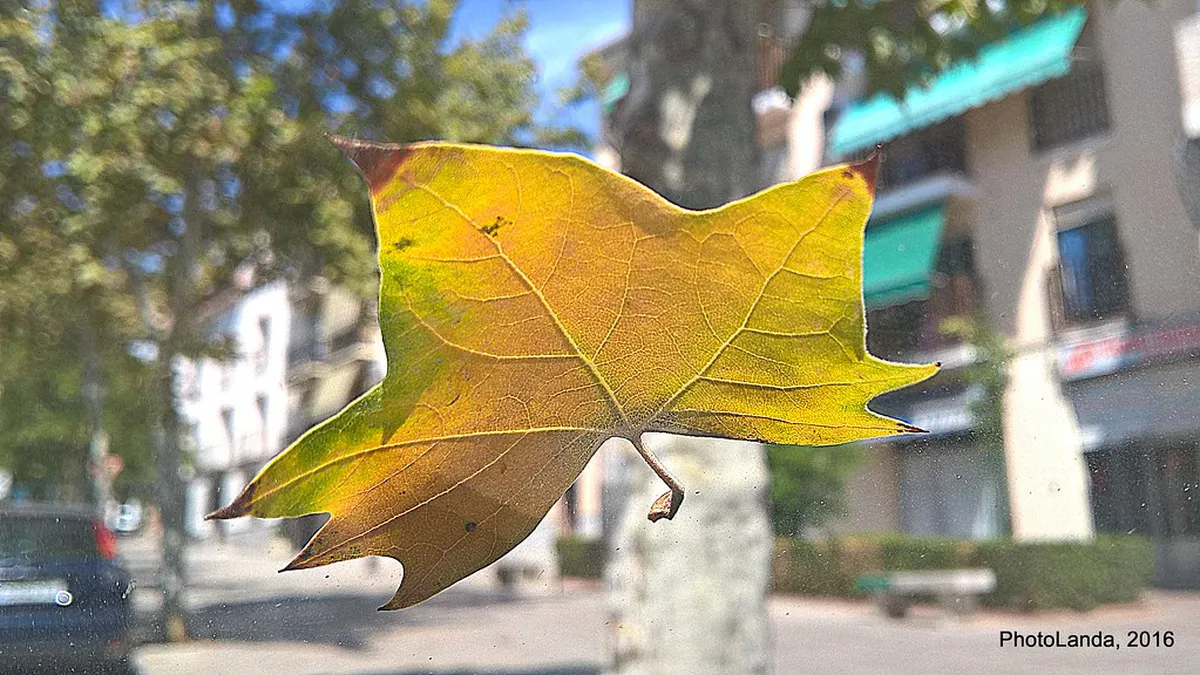
October brings crisp mornings and warm, sunny afternoons. The fall foliage in the nearby mountains is stunning for hikers. Crowds are much thinner than in the busy spring months. You can often find better deals on boutique hotels in November.
Rainfall begins to increase as the season moves toward December. November is typically one of the wettest months in the region. You should bring a waterproof jacket and an umbrella for this time. The thermal oscillation becomes very noticeable as winter approaches.
Winter in Granada (December – February): Sun and Snow
Winter in Granada is characterized by bright blue skies and cold air. Daytime highs average around 13°C / 55°F in the sun. Nighttime temperatures often drop near freezing at 2°C / 36°F. You will need to know how to get to Granada mountains for skiing.
The Sierra Nevada ski resort is just 40 minutes from the city. You can ski in the morning and visit the Alhambra in the afternoon. This unique combination is one of Granada's best winter features. The mountain views from the San Nicolas viewpoint are best in winter.
Based on data from WeatherSpark, Granada is very sunny in winter. The city averages over five hours of direct sunshine even in January. Indoor tapas bars provide a cozy escape from the evening chill. Christmas markets and lights make December a festive time to visit.
Season Comparison for Your Granada Trip
Choosing the right season involves balancing weather, crowds, and costs. Each period offers a completely different experience of the city. Use the table below to compare the main travel windows quickly. Note that prices can fluctuate significantly during local Spanish holidays.
| Season | Weather | Crowds | Prices | Events | Best for |
|---|---|---|---|---|---|
| Spring (mid-March to May) | 12–24°C / 54–75°F | High | High | Holy Week | Gardens |
| Summer (June to August) | 18–35°C / 64–95°F | Moderate | Medium | Music Fest | Nightlife |
| Fall (September to November) | 10–25°C / 50–77°F | Medium | Low | Jazz Fest | Hiking |
| Winter (December to February) | 2–13°C / 36–55°F | Low | Low | Ski Season | Skiing |
Pick X If: Choosing Your Best Travel Window
Different travelers have different needs when visiting southern Spain. Some prefer the heat, while others want to avoid the crowds. We have created these simple rules to help you decide. Think about your primary goals before booking your flights.
- Pick spring if you want
- Mild weather and fewer crowds
- Pick summer if you want
- Festivals and long days
- Pick autumn if you want
- Harvest colors and cool air
- Pick winter if you want
- Snow sports and winter sun
What to Pack for Your Granada Trip
Packing for Granada requires preparation for the daily temperature swings. You will need different items depending on the month you visit. Always prioritize comfort for the city's steep and uneven streets. Sun protection is necessary even during the colder winter months.
- Lightweight linen clothing
- Breathable fabrics for summer heat
- Heavy wool coats
- Protection against the mountain chill
- Sturdy walking shoes
- Support for steep cobblestone streets
- Quality sunglasses
- Shielding against high altitude rays
What's Closed in Low Season in Granada
The low season in Granada typically runs from November to February. While the city stays active, some specific attractions change their schedules. You should check the opening hours for monuments in advance. Many outdoor venues close to protect guests from the cold.
The Sierra Nevada ski resort usually closes by late April. Many rooftop bars close their outdoor sections from November to March. Public outdoor swimming pools only operate from mid-June to early September. Night tours of the Alhambra gardens are often reduced in winter.
Some smaller mountain villages may have limited restaurant hours in winter. Ferries and coastal transport in nearby Motril may also be reduced. However, major museums and the Cathedral remain open year-round. Winter is actually a great time for indoor cultural activities.
Frequently Asked Questions
When is the cheapest month to visit Granada?
January and February are usually the cheapest months for flights and hotels. You can find great deals on where to stay in Granada near the city center. Expect cooler weather but very clear, sunny skies during these months.
Is Granada too hot in August?
August is very hot with temperatures often exceeding 35°C / 95°F. Most locals stay indoors during the afternoon siesta hours. It is manageable if you plan your sightseeing for early morning or late evening.
Does it snow in Granada city center?
Snow in the city center is rare but beautiful when it happens. The nearby Sierra Nevada peaks are covered in snow from November until May. You will see the white mountains from almost every viewpoint in town.
Granada is a city of contrasts that changes beautifully with the seasons. Whether you want spring flowers or winter snow, the city never disappoints. Plan your Granada 2-day itinerary around these weather patterns for the best experience. Remember to pack layers and prepare for the unique mountain climate.
You might also like


Continue reading
More guides you'll find useful


