
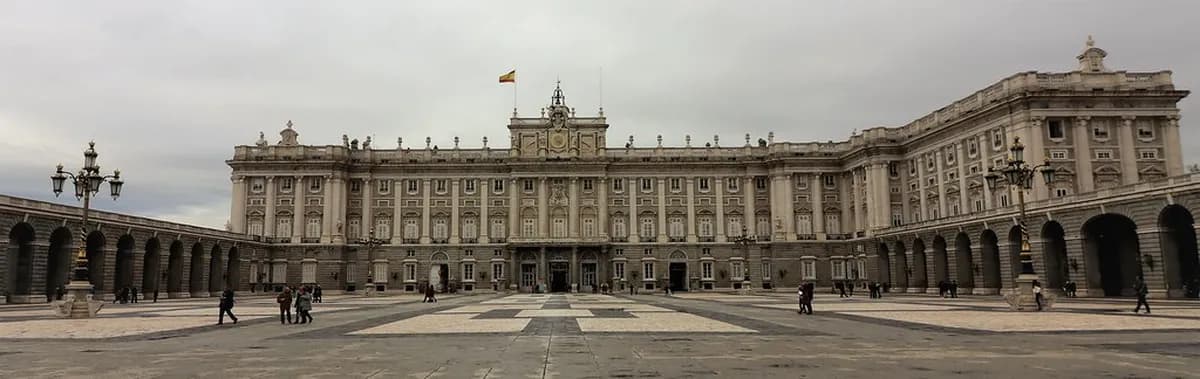
Royal Palace of Madrid Visitor Guide: Plan Your Visit & Explore
The Royal Palace of Madrid stands as a magnificent testament to Spain's rich history and grandeur. It serves as the official residence of the Spanish Royal Family, though they primarily use it for state ceremonies. This stunning palace is the largest in Western Europe by floor area, offering visitors a deep dive into royal life.
For where Royal Palace of Madrid fits into a wider trip, see our Royal Palace of Madrid guide and things to do in Madrid overview.
Planning your visit to this iconic landmark ensures a memorable experience. Our royal palace of madrid visitor guide covers everything you need to know. You will discover its fascinating past, navigate its opulent rooms, and explore the beautiful surrounding gardens.
This comprehensive guide provides practical tips, ticket information, and insights into what makes the palace a must-see attraction. Prepare to be enchanted by centuries of Spanish heritage and artistry. Get ready to explore one of Madrid's most significant cultural treasures.
A Brief History of the Royal Palace
The site where the Royal Palace now stands has a long and storied past. Originally, it was home to the Alcázar of Madrid, a Moorish fortress built in the 9th century. This fortress later became a medieval castle and then a royal palace for the Castilian kings. A devastating fire in 1734 destroyed the old Alcázar, clearing the way for a new, grander structure.
King Philip V ordered the construction of the current palace, envisioning a residence that would rival the Palace of Versailles. Construction began in 1738 and continued for decades. The first monarch to reside here was King Charles III in 1764. The palace reflects various architectural styles, primarily Baroque and Neoclassical influences.
Over the centuries, the Royal Palace of Madrid has witnessed countless historical events and hosted numerous royal figures. It served as the primary residence for Spanish monarchs until 1931. Today, it remains a symbol of Spain's monarchy and a vital cultural institution, welcoming visitors from across the globe.
Planning Your Visit: Essential Information
Knowing the practical details before you go can greatly improve your experience. The Royal Palace of Madrid is typically open every day, but hours vary by season. Always check the Patrimonio Nacional Official Website for the most current schedule, especially for 2026 planning. State events can also cause unexpected closures.
The best time to visit often depends on your preference for crowds and weather. Spring and fall offer pleasant temperatures and fewer tourists. Visiting right at opening or later in the afternoon can help you avoid peak crowds. Allow at least 2 to 3 hours to explore the palace thoroughly.
Consider visiting on a weekday if possible, as weekends tend to be much busier. Early mornings are generally quieter, allowing for a more serene experience. Weekdays also offer better chances for a relaxed pace. During peak season, arriving 30 minutes before opening can save significant waiting time.
Getting There: Directions and Accessibility
The Royal Palace is centrally located in Madrid, making it easily accessible by public transport or on foot. It sits near the Plaza de Oriente, offering stunning views. You can find detailed directions and a map on the Royal Palace of Madrid Location & Directions page. This central location makes it easy to combine with other nearby attractions.
The nearest metro station is Ópera (Lines 2 and 5), just a short walk away. Several bus lines also stop close to the palace, including lines 3, 25, 39, and 148. Walking from Plaza Mayor takes about 10-15 minutes, offering scenic views along the way. From Atocha Station, the metro is the quickest option.
The palace is largely accessible for visitors with reduced mobility. There are ramps and elevators available for navigating different levels. Some areas might have limited access, so it is best to inquire upon arrival. Wheelchairs are often available for loan on a first-come, first-served basis.
Tickets, Prices, and Guided Tours
Booking your tickets in advance is highly recommended, especially during peak season. This helps you skip long queues and secure your preferred entry time. Purchase tickets directly from the Patrimonio Nacional Tickets Page. Various ticket types are available to suit different needs.
Free entry times are offered for EU citizens and Ibero-American citizens at specific hours. These slots are usually available during the last two hours of opening, Monday through Thursday. Expect longer lines during these free entry periods. Always confirm eligibility and times on the official website.
The palace offers both self-guided tours with an audio guide and guided tours. An audio guide provides detailed commentary on the rooms and collections. You can download the official app from the Apple App Store or Google Play Store. Guided tours offer deeper insights from an expert, but they follow a fixed schedule. Consider a guided tour for a more immersive experience.
Here is a comparison of common ticket options:
- Individual Ticket
- Cost: Standard adult price (check official site)
- Includes: Access to main palace rooms, Royal Armory
- Best for: Independent explorers, budget travelers
- Individual Ticket + Audio Guide
- Cost: Slightly higher than individual ticket
- Includes: Palace access, detailed audio commentary
- Best for: Self-paced learning, in-depth information
- Guided Tour Ticket
- Cost: Higher than individual ticket
- Includes: Palace access, expert-led tour
- Best for: Comprehensive understanding, engaging storytelling
- Combined Tickets
- Cost: Varies (often includes Royal Collections Gallery)
- Includes: Palace access, additional nearby attractions
- Best for: Full-day cultural immersion, value for money
- Free Entry
- Cost: Free (specific hours/days)
- Includes: Palace access (limited), longer wait times
- Best for: EU/Ibero-American citizens, budget-conscious visitors
What to See Inside the Palace
The Royal Palace boasts over 3,400 rooms, though only a fraction are open to the public. Each accessible room is lavishly decorated, showcasing incredible artistry and historical artifacts. Prepare to walk through magnificent halls and chambers.
The Throne Room, with its stunning velvet and gold decor, is a highlight. Look up at the ceiling frescoes by Tiepolo. The Hall of Mirrors, inspired by Versailles, reflects light beautifully. It served as a setting for important court ceremonies. The Royal Chapel features intricate frescoes and a valuable collection of religious art.
The Royal Armory houses one of the most significant collections of weapons and armor in the world. It includes pieces dating back to the 13th century. Don't miss the Gasparini Room, an exquisite example of Rococo style. Its intricate stucco work and delicate furnishings are truly remarkable. The Comedor de Gala, or Gala Dining Room, is another must-see. This grand hall can seat up to 145 guests and is still used for state banquets today. Its impressive size and elegant decorations make it a focal point of the palace tour.
Exploring the Royal Gardens: Sabatini and Campo del Moro
Beyond the palace walls, two stunning gardens offer a peaceful retreat and beautiful views. The Sabatini Gardens, located on the north side of the palace, feature a formal Neoclassical design. They include geometrically arranged hedges, fountains, and sculptures. These gardens are free to enter and provide excellent photo opportunities of the palace facade.
The Campo del Moro Gardens lie on the western side, extending down towards the Manzanares River. These English-style gardens are much larger and more informal. They offer winding paths, shaded groves, and even peacocks roaming freely. You can access Campo del Moro from the Paseo de la Virgen del Puerto. Allow extra time to fully explore their expansive beauty.
Both gardens provide a wonderful contrast to the opulent interiors of the palace. They are perfect for a leisurely stroll or a moment of quiet reflection. Consider packing a light picnic to enjoy in Campo del Moro. The serene atmosphere provides a refreshing break from the bustling city.
Don't Miss: The Changing of the Guard
Experiencing the Changing of the Guard is a memorable addition to your royal palace of madrid visitor guide. The solemn Changing of the Guard, known as the 'Relievo Solemne,' occurs once a month. This grand ceremony takes place on the first Wednesday of each month, except in August or when official events prevent it. It features a full parade with cavalry and artillery.
A smaller, more frequent guard change happens weekly, every Wednesday and Saturday, from 11:00 AM to 2:00 PM. This involves two guards and two sentry posts at the main gate. The schedule can vary, so always check the Patrimonio Nacional Official Website before your visit. Arrive early to secure a good viewing spot, especially for the monthly ceremony.
The best viewing spots for the monthly ceremony are usually along the Calle Bailén, facing the palace. For the weekly change, standing near the Puerta del Príncipe offers a closer look. This tradition offers a glimpse into the palace's military heritage. It is a truly impressive display of precision and pomp. Witnessing this event adds a unique cultural dimension to your trip to Madrid.
Tips for a Smooth Royal Palace Experience
To make the most of your visit, consider a few practical tips. Arrive early in the morning, right at opening time, to avoid the largest crowds. This strategy is especially helpful during peak tourist seasons. Weekday visits are generally less crowded than weekends. You will find more space to explore the rooms.
Photography is generally not allowed inside the palace's main rooms. However, you can take photos in the courtyards and gardens. Always respect the rules and staff instructions regarding photography. This policy helps preserve the delicate artworks and ensures a respectful atmosphere.
Combine your palace visit with other nearby attractions for a full day of exploration. The Prado Museum and the Reina Sofía Museum are just a short distance away. You can also stroll through the beautiful Retiro Park. For a unique experience, explore the new Royal Collections Gallery, located right next to the palace, which often features related exhibitions. Check the Royal Collections Gallery website for current showings. Finish your day with tapas in the vibrant La Latina neighborhood nearby.
Frequently Asked Questions About Visiting
Frequently Asked Questions
How much time should you plan for a visit to the Royal Palace of Madrid?
Plan for at least 2 to 3 hours to comfortably explore the Royal Palace. This allows time for the main rooms, the Royal Armory, and a quick walk through the Sabatini Gardens. If you wish to visit the Campo del Moro Gardens, allocate an additional hour or more for a relaxed stroll.
What are the Royal Palace of Madrid opening hours?
Opening hours for the Royal Palace of Madrid vary by season. Typically, it opens from 10:00 AM to 6:00 PM in winter and 10:00 AM to 7:00 PM in summer. Always check the official Patrimonio Nacional website for the most up-to-date schedule. This helps account for any special events or closures.
Is the Royal Palace of Madrid worth visiting?
Yes, the Royal Palace of Madrid is absolutely worth visiting for its historical significance and stunning architecture. It offers a unique glimpse into Spanish royal life and houses an impressive collection of art and artifacts. Many visitors consider it a highlight of their trip to Madrid.
Are there free entry times for the Royal Palace of Madrid?
Yes, the Royal Palace offers free entry for EU and Ibero-American citizens during specific hours, usually the last two hours of opening, Monday through Thursday. Be sure to bring valid identification to prove your citizenship. These times can be very popular, so expect longer queues.
Is photography allowed inside the Royal Palace of Madrid?
Photography is generally not permitted inside the main rooms of the Royal Palace to protect the artworks and maintain decorum. However, you are usually allowed to take photos in the courtyards and the surrounding gardens. Always respect signage and staff instructions regarding photography.
The Royal Palace of Madrid offers an unforgettable journey through Spain's regal past. From its grand halls to its serene gardens, every corner tells a story. This comprehensive royal palace of madrid visitor guide provides all the tools for a successful trip. You can plan your visit with confidence and ease.
Remember to book tickets in advance and consider a guided tour for deeper insights. Don't miss the chance to witness the Changing of the Guard if your schedule allows. Exploring this magnificent landmark is a highlight of any trip to Madrid. Prepare to be amazed by its beauty and history.
Embrace the opportunity to walk in the footsteps of kings and queens. The Royal Palace awaits your discovery. Make your visit a truly royal experience.


