Seville Weather By Month: Your Ultimate Travel Guide
Plan your Seville trip by month with our guide to weather, crowds, and events. Discover the best time to visit and what to pack for every season.
On this page
Seville Weather By Month: Plan Your Perfect Trip
Seville, Spain, captivates with its vibrant culture and stunning architecture. Understanding the seville weather by month is key to a memorable visit. For most travelers, late spring (April to early June) and early fall (September to October) are the sweet spots. These shoulder seasons offer pleasant temperatures and a lively atmosphere.
I visited Seville in late September 2023, and the weather was glorious, perfect for exploring the city on foot. We enjoyed warm days and comfortable evenings, ideal for tapas and flamenco. This guide, updated from my fall 2023 visit, helps you navigate Seville's distinct seasons. You will find the perfect time for your Andalusian adventure.
Seville experiences hot, dry summers and mild, sometimes rainy, winters. The city's unique climate influences everything from festival timing to daily siesta schedules. Planning around these patterns ensures you make the most of your time. Let's dive into what each month offers.
Plan with trusted sources: cross-check opening hours and seasonal details with the official Seville tourism office, and read more background and history on its Wikipedia entry before you go.
Seville Weather by Season: A Quick Overview
Seville's climate is characterized by distinct seasons, each offering a different experience. The city boasts over 300 sunny days per year, a true Mediterranean gem. Understanding these patterns is crucial for planning your visit. This overview will help you grasp the general trends.
Spring brings mild, pleasant temperatures and blooming orange trees. Summer delivers intense heat, often making daytime sightseeing challenging. Fall returns to comfortable warmth, ideal for outdoor activities. Winter offers cool, often sunny days with occasional rain.
The shoulder seasons, particularly late spring and early fall, are highly recommended. They strike a balance between good weather and manageable crowds. Avoid mid-summer if extreme heat is not your preference. Each season has its unique charm and considerations.
Seville Season Comparison: Weather, Crowds & Prices
Choosing the best time to visit Seville involves weighing several factors. Weather, crowd levels, and prices fluctuate significantly throughout the year. This comparison table provides a snapshot of what to expect seasonally. It helps you make an informed decision for your trip.
Peak seasons, like spring, combine excellent weather with major festivals. This naturally leads to higher demand and increased costs. Conversely, summer offers lower prices but requires heat tolerance. Winter provides a quieter, more budget-friendly experience.
Consider your priorities: comfort, budget, or specific events. Each season has its trade-offs, making Seville a year-round destination for different reasons. Refer to this guide for a balanced view of the seville weather by month. You can then align it with your travel style.
| Season | Month Range | Weather | Crowds | Prices | Events | Best for |
|---|---|---|---|---|---|---|
| Spring | March to early June | Mild to warm (15–28°C / 59–82°F), sunny, some rain | High (especially during festivals) | High (peak season) | Semana Santa, Feria de Abril, Cruces de Mayo | Festivals, pleasant sightseeing, blooming patios |
| Summer | Mid-June to August | Very hot (30–40°C+ / 86–104°F+), dry, intense sun | Moderate to Low (many locals leave) | Moderate to Low (some deals) | Noches en los Jardines del Real Alcázar | Nightlife, water activities, budget travel |
| Fall | September to November | Warm to mild (18–30°C / 64–86°F), sunny, occasional rain | Moderate (tapers off late fall) | Moderate (good value) | Bienal de Flamenco (every two years), All Saints' Day | Sightseeing, outdoor dining, cultural immersion |
| Winter | December to February | Cool (10–18°C / 50–64°F), sunny, some rain | Low (few tourists) | Low (best for bargains) | Christmas markets, Three Kings' Day | Budget travel, cozy atmosphere, fewer queues |
Spring in Seville (March–May)
Spring is often considered the most enchanting time to visit Seville. Temperatures range from a pleasant 15–25°C (59–77°F) in March and April. By May, it can reach 20–29°C (68–84°F), feeling quite warm. The city truly comes alive with blossoming orange trees and fragrant jasmine.
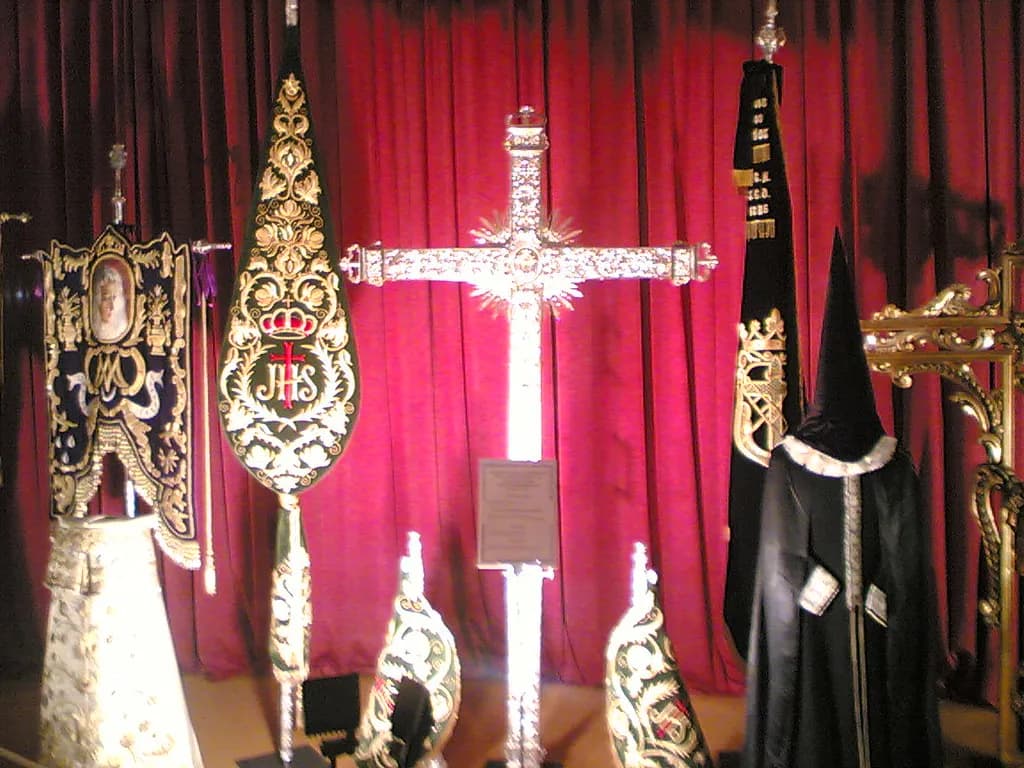
This season hosts two of Seville's most famous festivals: Semana Santa and Feria de Abril. Semana Santa (Holy Week) in March or April fills the streets with solemn processions. The Feria de Abril, typically two weeks after Easter, transforms the city into a vibrant party. These events are spectacular but draw immense crowds and drive up prices.
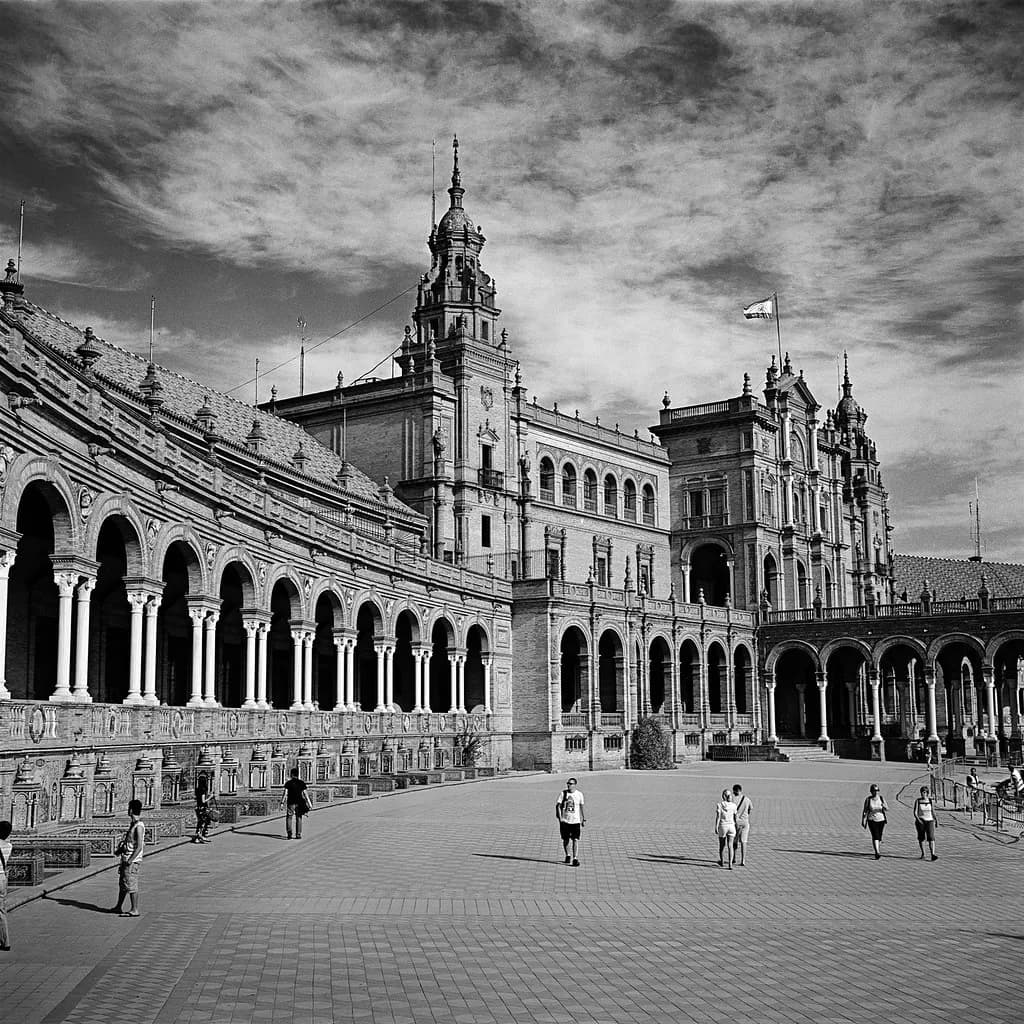
My late-May trip to Seville saw temperatures consistently in the high 20s°C. It was perfect for exploring the Royal Alcázar and Plaza de España. However, booking accommodations and popular tours well in advance is essential. This is especially true if you plan to visit during festival times.
Summer in Seville (June–August)
Seville's summer is famously hot, with temperatures often soaring. Expect daily highs between 30–40°C (86–104°F), sometimes even higher. July and August are particularly intense, with average highs around 36°C (97°F). The dry heat can be challenging for those unaccustomed to it.
During these months, Seville adopts a slower pace. Many shops and attractions close for a long siesta in the afternoon. Locals often head to coastal areas to escape the heat. Evenings, however, offer a reprieve, with temperatures dropping to 20–25°C (68–77°F).
While crowds are generally lower than in spring, the heat dictates activity. Focus on early morning or late evening sightseeing. Consider visiting water parks or enjoying rooftop bars after sunset. My friend visited in August and found it beautiful but exhausting for daytime walks.
Fall in Seville (September–November)
Fall brings a welcome cool-down after the scorching summer. September still feels summery, with averages of 25–32°C (77–90°F). By October, temperatures settle into a pleasant 20–28°C (68–82°F). November sees cooler days, ranging from 15–20°C (59–68°F).
This season is ideal for those seeking comfortable sightseeing weather. The intense heat subsides, making it perfect for exploring historic sites. Crowds are moderate, generally lower than in spring, especially in late fall. Prices for flights and accommodations also become more reasonable.
I found late September to be absolutely perfect for long walks and outdoor dining. The light was beautiful, and the city felt vibrant but not overwhelmed. Fall also hosts cultural events, like the Bienal de Flamenco in even-numbered years. It's a fantastic time for a relaxed yet enriching trip to Seville.
Winter in Seville (December–February)
Seville's winter is mild compared to much of Europe, offering a unique charm. Temperatures typically range from 10–18°C (50–64°F) during the day. Nights can be chilly, dropping to 5–10°C (41–50°F). Rainfall is more common, particularly from December to February, but sunny days are frequent.
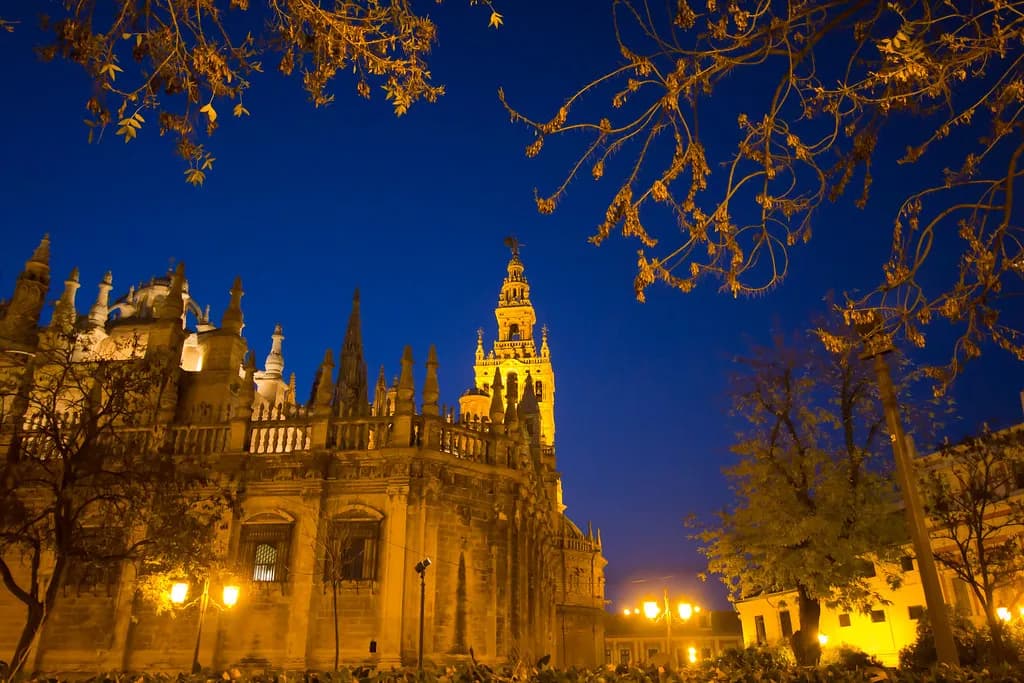
This is the low season for tourism, resulting in fewer crowds and lower prices. You can enjoy major attractions like the Seville Cathedral without long queues. The city takes on a festive atmosphere around Christmas and Three Kings' Day. It offers a cozy and authentic local experience.
While it's not beach weather, Seville's winter is perfect for cultural immersion. Enjoy flamenco shows, explore museums, and savor traditional Andalusian cuisine. My cousin visited in January and loved the quiet streets and festive decorations. Just remember to pack layers for the cooler evenings.
What's Closed in Low Season in Seville?
While Seville remains largely open year-round, the low season brings some changes. Smaller, family-run tavernas in quieter neighborhoods might close for a winter break. Some boutique shops, especially those catering to tourists, may have reduced hours. Always check specific opening times for attractions before your visit.
Ferry services to nearby coastal areas or river cruises might operate on a limited schedule. Seasonal attractions, like some outdoor terraces or specific garden sections, may be closed. The city's main landmarks, however, such as the Alcázar and Cathedral, generally remain open. They often adjust their closing times for shorter daylight hours.
During the intense summer heat, some smaller establishments might also close. This is especially true for the afternoon siesta period in July and August. Always verify directly with the venue if you have specific plans. This helps avoid disappointment during off-peak times.
Pick Seville If… Your Ideal Traveler Guide
Seville offers something for every type of traveler, depending on the season. Consider your priorities to choose the best time for your visit. This guide helps match your preferences with the city's seasonal offerings. Find your ideal Seville experience below.
Whether you seek vibrant festivals or quiet cultural exploration, Seville delivers. Understanding the seville weather by month is crucial for this decision. Tailor your trip to avoid crowds or embrace the local heat. Your perfect Andalusian adventure awaits.
- Pick spring (March–May) if you want
- Vibrant festivals like Semana Santa and Feria de Abril
- Pleasant weather for sightseeing and outdoor dining
- Lush gardens and blooming orange blossoms
- Pick summer (June–August) if you want
- Fewer crowds at major attractions
- Lively nightlife and evening activities
- Budget-friendly travel deals
- A chance to experience the authentic siesta culture
- Pick fall (September–November) if you want
- Comfortable temperatures for extensive exploration
- Moderate crowd levels and good value
- Rich cultural experiences without peak season rush
- Perfect for day trips to nearby towns
- Pick winter (December–February) if you want
- The lowest prices for flights and accommodation
- Minimal crowds at all attractions
- A cozy, authentic local atmosphere
- Festive Christmas markets and traditions
What to Pack for Seville by Season
Packing smart is essential for enjoying Seville's diverse climate. Your luggage will vary greatly depending on the seville weather by month. Being prepared ensures comfort and readiness for all activities. Here’s a seasonal breakdown to guide your choices.
Always include comfortable walking shoes, as Seville is best explored on foot. Sun protection is crucial year-round, even in cooler months. A small backpack for daily essentials is also highly recommended. Consider the activities you plan for each season.
- Spring (March–May) packing list
- Light layers (cardigans, light jackets)
- Comfortable walking shoes
- Sunscreen, hat, sunglasses
- Dressier outfit for evening events
- Summer (June–August) packing list
- Lightweight, breathable fabrics (linen, cotton)
- Wide-brimmed hat, high SPF sunscreen
- Reusable water bottle
- Swimsuit for hotel pools or water parks
- Fall (September–November) packing list
- T-shirts and long-sleeved tops
- Light jacket or sweater for evenings
- Comfortable walking shoes
- Small umbrella for occasional rain
- Winter (December–February) packing list
- Warm layers (sweaters, thermal tops)
- Medium-weight coat or jacket
- Scarf and gloves for chilly evenings
- Waterproof shoes or boots
Frequently Asked Questions
When is the best time to visit Seville for good weather?
The best time for good weather in Seville is during the shoulder seasons. Visit from late March to early June or from mid-September to late October. These periods offer mild to warm temperatures, perfect for sightseeing.
Is Seville too hot in July and August?
Yes, Seville is extremely hot in July and August, with temperatures often exceeding 40°C (104°F). It's best to avoid these months if you dislike intense heat. Many locals leave, and some businesses operate on reduced hours.
What is Seville like during the winter months?
Seville's winter (December–February) is mild, with daytime temperatures around 10–18°C (50–64°F). You'll find fewer crowds and lower prices. Expect some rain, but also many sunny days, making it pleasant for cultural visits.
When are the main festivals in Seville?
Seville's two main festivals are Semana Santa (Holy Week) and Feria de Abril. Semana Santa usually falls in March or April, while Feria de Abril follows two weeks after Easter. Both draw huge crowds and require early booking.
Seville truly shines in its shoulder seasons, offering an ideal balance. Late spring and early fall provide the most comfortable seville weather by month. You can enjoy vibrant culture and pleasant temperatures without extreme conditions. Careful planning ensures a delightful visit to this Andalusian gem.
Whether you seek festive energy, quiet exploration, or budget-friendly travel, Seville has a season for you. Armed with this guide, you are ready to choose your perfect time. Embrace the city's charm and create unforgettable memories. Seville awaits your arrival.
You might also like
Continue reading
More guides you'll find useful