
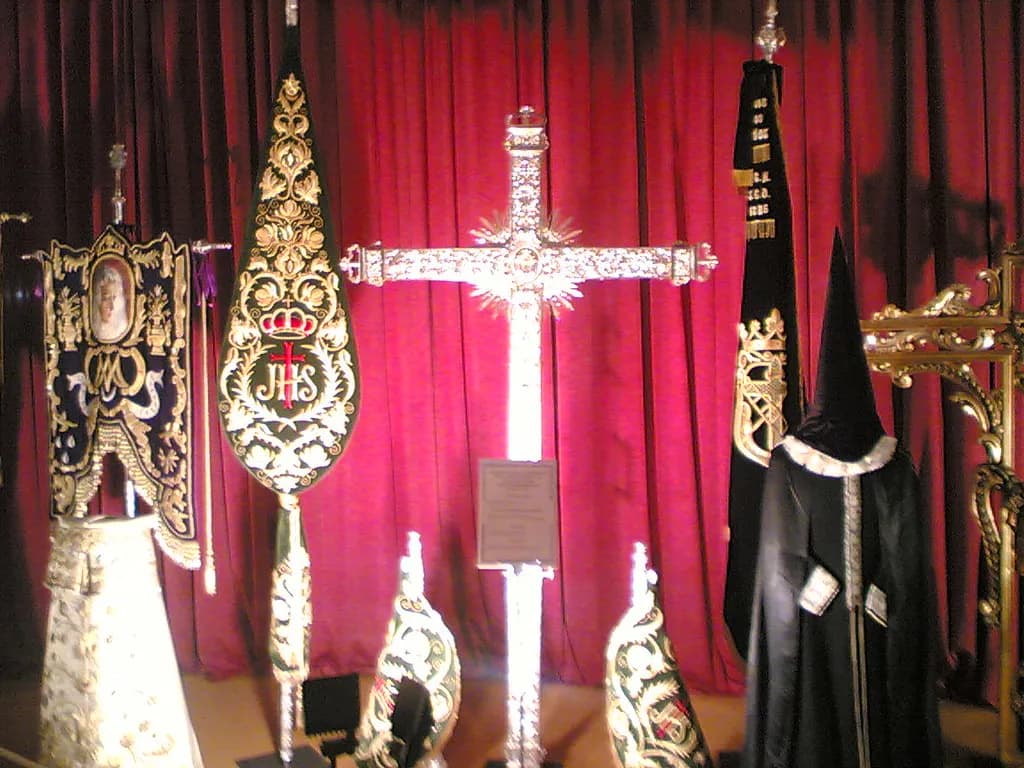
Best Time To Visit Seville: Your Ultimate Travel Guide
Plan the best time to visit Seville with top picks, seasonal insights, and practical booking advice for a smoother trip. Updated March 2024.
On this page
Best Time To Visit Seville For Every Traveler
Finding the best time to visit Seville can truly transform your experience in this vibrant Andalusian capital. For most travelers, late spring (April to May) and early fall (September to October) offer the ideal balance of pleasant weather and lively atmosphere. I visited Seville in late September 2023, and the warm, sunny days were perfect for exploring without the intense summer heat.
These shoulder seasons provide comfortable temperatures and a wealth of cultural activities. However, understanding seasonal nuances is key to planning your perfect trip. This guide, updated March 2024 from my fall 2023 visit, helps you navigate Seville's distinct seasons.
Whether you seek festivals, budget travel, or mild weather, Seville has a season for you. We'll explore weather patterns, crowd levels, and typical prices to help you decide. Consider your priorities to choose the ideal time for your adventure.
Plan with trusted sources: cross-check opening hours and seasonal details with the official Andalusia tourism board, and read more background and history on its Wikipedia entry before you go.
When is the Best Time to Visit Seville?
The absolute best time to visit Seville is during the shoulder seasons. This means late spring, specifically mid-April to May, or early fall from mid-September to October. During these months, the city enjoys delightful weather, making sightseeing very comfortable.
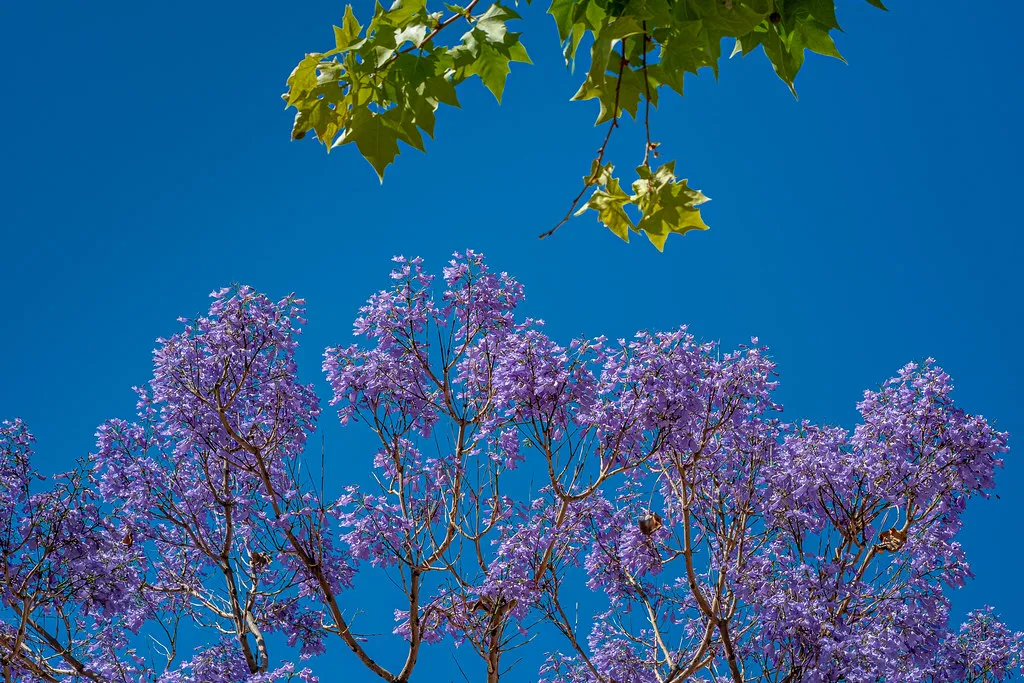
Temperatures are warm but not scorching, typically ranging from 20–28°C / 68–82°F. You will find fewer crowds than peak festival times, yet the city remains vibrant. This balance creates an ideal environment for exploring Seville's many attractions.
Avoiding the intense summer heat and potential winter chill is a smart strategy. Booking flights and accommodation a few months in advance is highly recommended. This ensures better prices and availability during these popular periods.
Seville Season Comparison: Weather, Crowds & Prices
Seville experiences distinct seasons, each offering a unique travel experience. Understanding these differences helps tailor your trip to your preferences. From scorching summers to mild winters, the city's character shifts throughout the year.
Climate data shows significant variations in temperature and rainfall. Crowd levels also fluctuate, impacting queues and overall atmosphere. Prices for hotels and flights generally reflect these demand patterns.
| Season | Weather (Avg. Temp) | Crowds | Prices | Events | Best for |
|---|---|---|---|---|---|
| Spring (March–May) | 15–28°C / 59–82°F, sunny, mild rain | Moderate to High (peak festivals) | High (especially during festivals) | Semana Santa, Feria de Abril | Festivals, pleasant sightseeing |
| Summer (June–August) | 28–40°C / 82–104°F, very hot, dry | Low to Moderate (fewer tourists) | Moderate to Low (except August) | Veranillos (small summer festivals) | Nightlife, budget travel, siesta culture |
| Fall (September–November) | 18–30°C / 64–86°F, warm, less rain | Moderate (post-summer rush) | Moderate | Flamenco Bienal (biennial), cultural events | Cultural visits, comfortable exploration |
| Winter (December–February) | 10–18°C / 50–64°F, mild, some rain | Low | Low | Christmas markets, Reyes Magos | Budget travel, festive charm, fewer queues |
Spring in Seville (March–May)
Spring is arguably the most beautiful time to visit Seville. The city bursts with orange blossom scents and vibrant flowers. Temperatures are wonderfully mild, ranging from 15–28°C / 59–82°F.
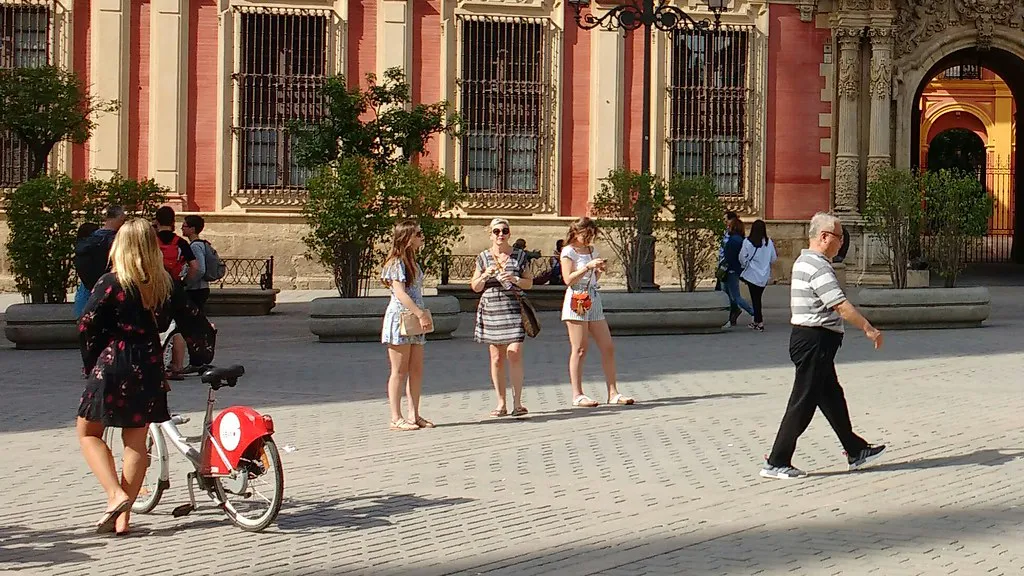
This season hosts Seville's two most famous festivals: Semana Santa and Feria de Abril. These events draw massive crowds and create an unforgettable atmosphere. My visit during a quieter spring period still offered incredible charm.
Expect higher prices for accommodation and flights during these festival weeks. Booking well in advance, sometimes a year ahead, is crucial. Despite the crowds, the energy of spring in Seville is truly captivating.
Summer in Seville (June–August)
Summer in Seville is defined by intense heat, often exceeding 40°C / 104°F. The city experiences the infamous 'siesta' phenomenon, with many shops closing midday. Locals adapt by embracing cooler evenings and indoor activities.
While challenging, summer offers fewer tourist crowds at major attractions. You can find lower prices for hotels, especially in June and July. Evenings are lively with outdoor dining and late-night strolls.
Our trip in July years ago taught us to plan activities for early mornings and late afternoons. Exploring the Royal Alcázar at opening time was a must. Hydration and shade become your best friends during these months.
Fall in Seville (September–November)
Fall offers another excellent window for visiting Seville, especially early fall. Temperatures gradually cool from 30°C / 86°F in September to a pleasant 18°C / 64°F by November. The city retains its warmth but without the oppressive summer heat.
Crowds are generally moderate, making it easier to explore sites like the Seville Cathedral. Cultural events, including flamenco shows, are abundant. The biennial Flamenco Bienal takes place in odd-numbered years.
Late October brought some lovely, crisp days during my last visit. The golden light of autumn adds a magical touch to the city's architecture. It's a fantastic time for outdoor dining and leisurely walks.
Winter in Seville (December–February)
Winter in Seville is surprisingly mild compared to much of Europe. Average temperatures hover between 10–18°C / 50–64°F, with many sunny days. Rainfall is possible but rarely prolonged, making it a good escape from colder climates.
This is the low season for tourism, meaning fewer crowds and lower prices. You can enjoy major attractions without long queues. The city takes on a festive charm during the Christmas period with markets and lights.
The Three Kings' Parade (Reyes Magos) in early January is a highlight. While some smaller establishments might have reduced hours, most main attractions remain open. It's an ideal time for budget-conscious travelers and those seeking a quieter experience.
Pick Seville If...
Choosing the right time to visit Seville depends entirely on your travel priorities. Each season offers distinct advantages and disadvantages. Consider what kind of experience you are hoping for during your trip.
This quick guide helps match your preferences to the best time of year. Think about weather, budget, crowd tolerance, and specific events you want to see. Seville can cater to many different types of travelers throughout the year.
- You love festivals and vibrant energy
- Visit in spring (March-May)
- You prefer mild weather and fewer crowds
- Choose shoulder seasons (April-early June, Sept-Oct)
- You are a budget traveler
- Consider winter (December-February) or peak summer (July-August)
- You want to avoid extreme heat
- Avoid summer (June-August) at all costs
- You enjoy cultural immersion without the rush
- Fall (September-November) is ideal
- You want a festive holiday atmosphere
- Visit in December for Christmas markets
What's Closed in Low Season?
While Seville is a year-round destination, some establishments do reduce hours or close during the low season. This primarily occurs in the depths of summer (August) and winter (January). Many smaller, family-run restaurants and shops may take their annual vacation in August.
Similarly, some independent tavernas and boutique stores might close for a few weeks in January. Major attractions like the Alcázar and Cathedral generally maintain their schedules. However, they might have slightly shorter operating hours during winter months.
It's always wise to check specific opening times for any attraction or restaurant. A quick search online before your visit can save you disappointment. Many local tour operators also reduce their offerings in the quietest months.
What to Pack for Your Seville Trip
Packing correctly for Seville is essential, given its distinct seasonal weather. The key is to dress for comfort and be prepared for temperature shifts. Think about the activities you plan to do when selecting your wardrobe.
Layering is always a good strategy, especially during shoulder seasons. Comfortable walking shoes are non-negotiable for exploring the city's charming streets. Sun protection is crucial for most of the year in Seville.
- Spring (March–May)
- Light layers
- Cardigan or light jacket
- Comfortable walking shoes
- Sunscreen and hat
- Summer (June–August)
- Light, breathable fabrics (cotton, linen)
- Wide-brimmed hat
- Sunglasses
- High SPF sunscreen
- Swimsuit (if hotel has a pool)
- Fall (September–November)
- Light to medium layers
- Light jacket or sweater
- Scarf for cooler evenings
- Comfortable shoes
- Winter (December–February)
- Warm sweater or fleece
- Medium-weight coat
- Scarf, gloves, and hat (optional)
- Waterproof shoes (for rain)
Frequently Asked Questions
When is Seville too hot to visit?
Seville can be uncomfortably hot from June through August. Temperatures often exceed 35°C / 95°F, sometimes reaching 40°C / 104°F. Many locals embrace the siesta culture during these months.
Is Semana Santa worth the crowds in Seville?
Semana Santa (Holy Week) offers an incredibly unique cultural experience in Seville. While crowds are immense and prices are high, the solemn processions are unforgettable. Book everything far in advance.
What are the cheapest months to visit Seville?
The cheapest months to visit Seville are typically January, February, and late July to August. During these periods, you'll find lower prices for flights and accommodations. However, be prepared for cooler winter weather or intense summer heat.
Seville offers a captivating experience throughout the year, each season with its own charm. The shoulder seasons of spring and fall generally provide the most comfortable conditions. They strike an excellent balance between pleasant weather, manageable crowds, and vibrant city life.
Ultimately, the best time to visit Seville aligns with your personal preferences and priorities. Whether you seek lively festivals, peaceful exploration, or budget-friendly travel, Seville awaits. Plan ahead, pack wisely, and prepare to be enchanted by this beautiful Andalusian gem.
You might also like


Continue reading
More guides you'll find useful


