

Toledo Spain Weather By Month: Best Time to Visit Guide
Plan your trip with our Toledo Spain weather by month guide. Discover average temperatures, rainfall charts, and seasonal packing tips for the Spanish plateau.
On this page
Toledo Spain Weather By Month: Best Time to Visit Guide
Updated June 2026 from my spring visit to the historic city center of Castile-La Mancha. Late spring (May to early June) and early fall (September to October) are the sweet spots for visiting Toledo. I visited Toledo in late September and found the mornings crisp while the afternoons felt like peak summer heat.
Toledo's continental climate means brutal temperature swings—plan for 15°C/27°F shifts between morning and afternoon. September-October offer the best weather for sightseeing without peak summer heat. Winter nights drop below freezing, requiring heavy layers despite sunny midday temperatures.
This historic city sits on a high plateau known as the Meseta which causes sharp temperature changes each day. You will find that the best time to visit Toledo depends heavily on your tolerance for heat. The city experiences a continental climate which means the summers are very dry and the winters are quite cold.
Travelers often underestimate how quickly the temperature drops once the sun sets over the Tagus River canyon. Our late-May trip hit the Meseta heat early, making the midday siesta essential for our survival in the city. This guide breaks down the weather patterns to help you plan the perfect trip to this medieval wonder.
Toledo Weather at a Glance
Toledo features a Mediterranean climate with strong continental influences due to its inland location and high elevation. The city is surrounded by the Tagus River, which creates a small microclimate that adds humidity to the air. According to climate data from Weatherspark.com, the average annual temperature varies significantly between seasons.
The most famous weather quirk in this region is the diurnal swing, where temperatures can shift by 15°C / 27°F. You might start your morning in a heavy jacket and end the afternoon in a light t-shirt. This pattern is most common during the shoulder months of April, May, September, and October.
Rainfall is generally low throughout the year, but the city sees occasional heavy bursts during the late autumn months. The summer months are notoriously dry, often going weeks without a single drop of rain in the city center. Understanding these patterns is vital before you decide is Toledo worth visiting during your Spanish vacation.
Toledo Spain Weather By Month Breakdown
January is the coldest month in Toledo, with temperatures often dipping to 1–10°C / 34–50°F during the day. Frost is common in the early hours, making the medieval cobblestones feel quite slick and cold under your feet. By March, the weather begins to warm up to a pleasant 8–18°C / 46–64°F, signaling the start of spring.
July and August are the hottest months, with averages reaching 18–34°C / 64–93°F, though heatwaves often push higher. The intense sun reflects off the stone buildings, making the narrow streets feel like a warm oven by midday. Most locals stay indoors during the afternoon to avoid the peak heat of the Spanish plateau sun.
October brings a refreshing change with temperatures ranging from 11–23°C / 52–73°F and beautiful autumn colors. Data from Accuweather.com suggests that this is one of the best months for walking tours. The rainfall increases slightly in November, but it rarely disrupts travel plans for more than a few hours.
Season Comparison
Each season in Toledo offers a different atmosphere for travelers exploring the historic streets and ancient monuments. Spring provides the most vibrant colors and comfortable walking temperatures for those who enjoy long days of sightseeing. Summer is the peak tourist season despite the heat, as many people visit on a day trip from Madrid.

Autumn is often considered the most balanced season, offering mild weather and slightly smaller crowds than the summer. Winter is the quietest time to visit, which is perfect for those who want to see the cathedral in peace. Prices for accommodation tend to drop significantly during the winter months, except for the Christmas and New Year holidays.
| Season | Weather | Crowds | Prices | Events | Best for |
|---|---|---|---|---|---|
| Spring (March–May) | 10–22°C / 50–72°F | Moderate | Medium | Holy Week | Sightseeing |
| Summer (June–Aug) | 18–34°C / 64–93°F | High | High | Corpus Christi | Festivals |
| Fall (Sept–Nov) | 11–24°C / 52–75°F | Moderate | Medium | Wine Harvest | Photography |
| Winter (Dec–Feb) | 1–11°C / 34–52°F | Low | Low | Christmas | Budget Travel |
Pick X If
Choosing the right month depends on what you want to experience in the City of Three Cultures. If you are interested in Toledo festivals and events, aim for the late spring months. The Corpus Christi celebration in June is a world-famous event that transforms the city with flowers and tapestries.
Budget travelers should look at the window between late January and early March for the best hotel deals. Photographers will find the golden hour light in October and November to be the most dramatic for city views. Those who dislike the heat should strictly avoid visiting between the middle of July and late August.
- Pick spring if you want
- Mild temperatures and green landscapes
- Pick summer if you want
- Vibrant festivals and long evenings
- Pick autumn if you want
- Fewer crowds and soft lighting
- Pick winter if you want
- Peaceful streets and low prices
What to Pack
The key to comfort in Toledo is preparing for the dramatic temperature shifts that happen every single day. Even in the height of summer, a light layer might be needed for the early morning breeze. The steep medieval streets require sturdy footwear, as the stones can be slippery when wet or very hot.
During our trip, we found that carrying a refillable water bottle was essential to combat the dry plateau air. Sunscreen and a wide-brimmed hat are mandatory if you plan on walking the city walls during the afternoon. Winter visitors should prioritize a windproof coat to handle the cold gusts that blow across the Meseta.
- Pack for the summer heat
- Light linen clothes and sun hats
- Pack for the winter cold
- Thermal layers and wool scarves
- Pack for the shoulder season
- Versatile jackets and comfortable sneakers
- Pack for the rainy days
- Compact umbrellas and waterproof shoes
What's Closed in Low Season
While the main monuments stay open year-round, some seasonal services change during the colder winter months. Many rooftop bars near the Alcazar close their outdoor sections from late November through early March. This is the best time to focus on indoor things to do in Toledo like visiting the cathedral.
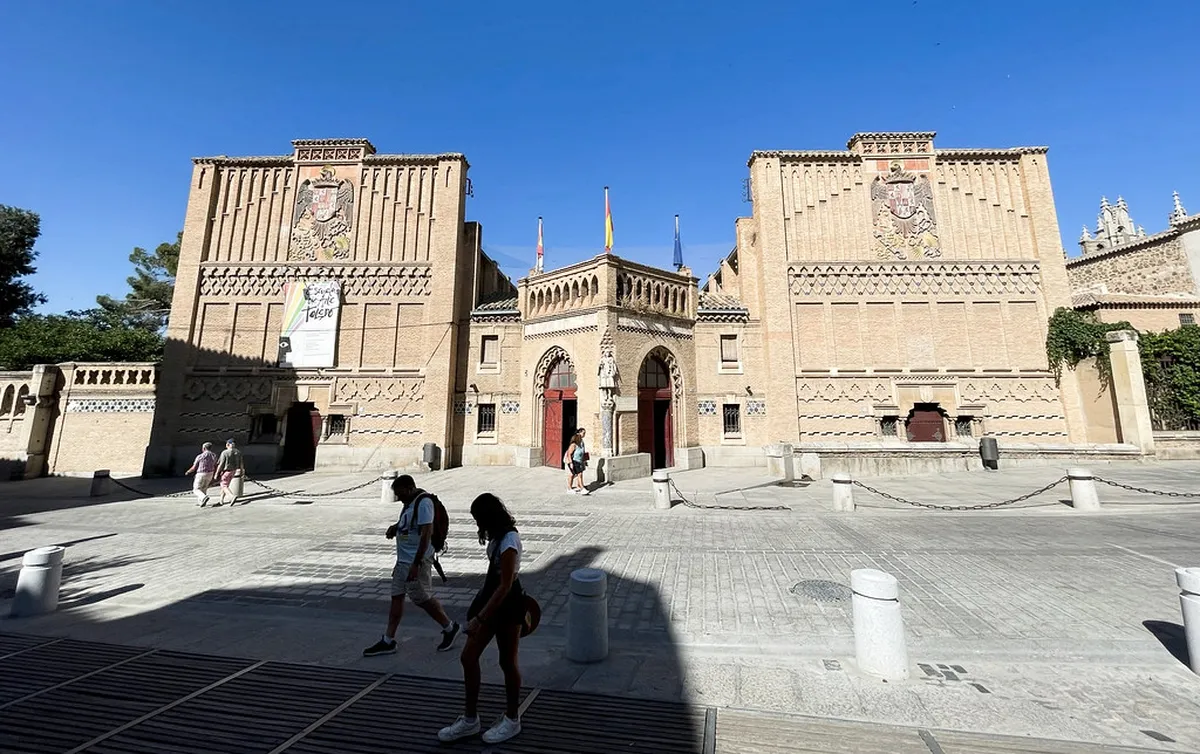
Smaller private museums may operate on reduced hours during the low season between January and February. Outdoor terrace dining is less common in the winter, though many restaurants provide heaters for their guests. Always check the specific opening times for the El Greco Museum if you visit during the winter weeks.
Frequently Asked Questions
What is the hottest month in Toledo?
July is typically the hottest month in Toledo, Spain. Temperatures often reach 34°C / 93°F during the day. It is best to avoid outdoor activities during the afternoon hours.
Does it snow in Toledo, Spain?
Snow is very rare in Toledo but can happen once or twice a year. The cold continental air sometimes brings light flurries in January. Most snow melts quickly once the sun rises.
When is the rainy season in Toledo?
The wettest months in Toledo are usually October and November. Rainfall is generally light compared to northern Spain. Most storms are brief and followed by clear skies.
Toledo is a spectacular destination regardless of when you choose to visit its ancient stone streets. By planning around the Toledo one-day itinerary, you can maximize your time during any season. Remember to check the local forecast for the diurnal swing before you head out for the day.
Whether you prefer the heat of summer or the quiet of winter, this city will captivate your imagination. Book your stay in the best area to stay in Toledo to enjoy the evening atmosphere. Safe travels as you explore the historic heart of the Spanish plateau.
You might also like


Continue reading
More guides you'll find useful


